What is the Masai Mara and where is it located?
The Masai Mara is a world-famous wildlife reserve in southwest Kenya, in East Africa. It is named after the Maasai people, who are the local community living in the region, and the Mara River, which runs through the reserve. The word “Mara” means “spotted” in the Maasai language, referring to the way the savannah is dotted with trees, bushes, and cloud shadows when viewed from above. It’s part of the larger Serengeti ecosystem, which extends into Tanzania, making it one of the premier Kenya safari locations.
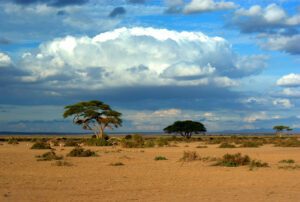
The Masai Mara encompasses a vast area of open grasslands, dotted with acacia trees, rocky hills, and riverine forests, covering around 1,510 square kilometers (or 580 square miles). It’s one of Kenya’s top tourist destinations because of its incredible wildlife population, especially big cats, and its role in the Great Migration, one of nature’s most spectacular events, attracting countless safari adventurers.
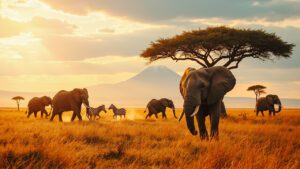
Examples of what makes the Masai Mara extraordinary include its high density of animals like lions, cheetahs, elephants, and zebras. Visitors rave about the ability to see animals interacting in their natural habitat. It’s also known for romantic safari experiences, rich cultural encounters with the Maasai people, and stunning sunsets across its endless plains. If you’ve seen documentaries about African wildlife, chances are you’ve caught a glimpse of the Masai Mara without realizing it.
In short, it’s a must-visit for anyone who loves nature, animals, or adventure, as it’s one of the best places on Earth to experience extraordinary wildlife up close.
What is the best time to visit the Masai Mara for a safari?
The best time to visit the Masai Mara depends on what you hope to see, but in general, most people visit between July and October, which is the peak season. This is when the Great Migration happens, as millions of wildebeests, zebras, and gazelles move from the Serengeti in Tanzania to the Masai Mara National Reserve in Kenya in search of fresh grazing grounds. During this time, you’ll not only witness the sheer scale of the migration but also dramatic predator-prey interactions, as lions, cheetahs, and crocodiles hunt the migrating herds.
The dry season (from July to October) also makes wildlife easier to spot because animals tend to gather around limited water sources, and the grasses are shorter, meaning fewer places for animals to hide. The weather is generally pleasant, with warm days and cooler nights, making for a comfortable safari adventure.
If you’re looking for fewer crowds and lower prices, the “green season” (November to June) is another option. During this time, there’s more rainfall, making the scenery lush and beautiful, and it’s also calving season, which means you’ll see baby animals like young gazelles and elephants. However, the downside is that it may be harder to navigate muddy roads, and the tall grass sometimes makes it tougher to spot wildlife.
In short, if you want the ultimate safari experience and to witness the Great Migration, aim for July to October. But if you prefer a quieter trip with beautiful landscapes, the green season could be ideal. Planning ahead is important, as the Mara is a popular destination, especially during peak times.
What is the Great Migration and how can I witness it?
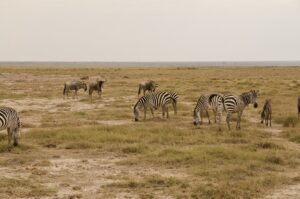
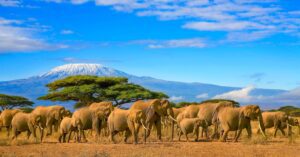
The Great Migration is one of the most spectacular natural events on the planet. Every year, millions of wildebeests, zebras, and other herbivores migrate across the Serengeti–Mara ecosystem, forming a giant loop driven by their search for fresh grass and water. This migration is often called “The Greatest Show on Earth” due to the sheer number of animals involved, over 1.5 million wildebeests, 200,000 zebras, and tens of thousands of gazelles move together in an awe-inspiring display of survival and instinct. The Maasai Mara national reserve serves as a crucial part of this journey, showcasing the extraordinary wildlife that captivates visitors.
What makes the Great Migration even more thrilling are the predators that follow the herds. Lions, cheetahs, leopards, hyenas, and crocodiles wait for the perfect opportunity to hunt, creating dramatic wildlife action. One of the most famous parts of the migration is the river crossings, particularly at the Mara River in the Masai Mara. Here, thousands of wildebeests and zebras risk their lives crossing the crocodile-infested waters, providing one of the most nail-biting spectacles in nature, especially during a Kenya safari.
To witness the Great Migration, the best time to visit the Masai Mara is from July to October, when the herds cross into Kenya. A safari tour with an experienced guide is essential to know the best spots and times to view the action. Typically, game drives are arranged in early mornings or late afternoons when wildlife activity is at its peak, offering an intimate Masai Mara experience.
An exciting tip is to stay close to the Mara River during this time for a high chance to see the dramatic crossings. However, as the migration is highly dependent on rainfall and grass availability, the exact timing can vary. For a unique perspective, a hot air balloon safari is also an incredible way to see the migration from above, allowing you to appreciate the vastness of the African wilderness.
What types of animals can be seen on a Masai Mara safari?
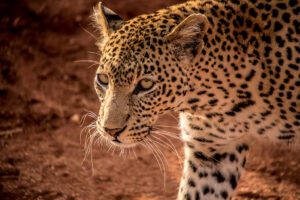
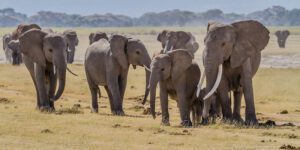
The Masai Mara is one of the most famous wildlife reserves in the world, located in Kenya, and it’s home to an incredible variety of animals. When you embark on a Kenya safari, you’ll have a chance to see the “Big Five,” which are lions, leopards, elephants, rhinos, and buffalo. These animals are called the Big Five because they were historically the most challenging and dangerous animals to hunt on foot. Spotting these majestic creatures is a highlight of any visit to the reserve.
In addition to the Big Five, the Masai Mara is famous for its cheetahs. The open savannahs give you a great chance of seeing these fast and sleek hunters in action. Hyenas are also common in the area, often scavenging for food or sometimes hunting in packs.
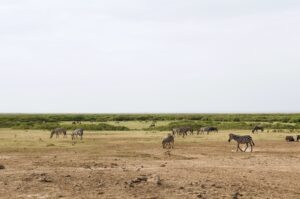
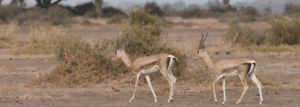
You’ll also see a wide range of herbivores, like zebras, giraffes, gazelles, and wildebeests. During the Great Migration, millions of wildebeests and zebras traverse the Masai Mara National Reserve in search of fresh grass, creating an unforgettable wildlife spectacle. Other herbivores, like the warthog (a type of wild pig), hippos, and different types of antelopes, are also frequently seen.
Bird lovers will be delighted by the incredible birdlife. There are more than 470 bird species in the Masai Mara, including ostriches, vultures, eagles, and colorful lilac-breasted rollers. Crocodiles can also be found lurking in the Mara River, often waiting for prey during the Great Migration.
In summary, the Masai Mara has an extraordinary variety of animals that make every safari feel like an adventure. From the popular predators like lions and leopards to the gentle grazers like giraffes and antelopes, there’s always something amazing waiting for you.
What are the different types of safari experiences offered in the Masai Mara?
There are several types of safari adventures offered in the Masai Mara National Reserve, each providing a unique way to explore the incredible wildlife and landscapes of this premier Kenya safari location. Here are the main types of safaris you can enjoy.
1. Game Drives
Game drives are the most common type of safari adventure in the Masai Mara National Reserve. You’ll be in a safari tour vehicle, often with an experienced local Maasai guide, driving across the reserve to look for extraordinary wildlife. These vehicles are usually 4x4s with open sides or pop-up roofs, allowing for great views. You can choose between morning, afternoon, or full-day game drives. Morning drives are great because animals are more active during the cooler hours, while evening drives can offer stunning sunsets.
2. Walking Safaris
For a more intimate and adventurous experience, consider a walking safari in the Maasai Mara. Instead of being in a car, you walk through the bush with a local Maasai guide. This allows you to connect with nature on a deeper level, noticing the smaller details like tracks, plants, and insects. While you won’t be as close to big predators for safety reasons, this safari adventure can make you feel like you’re truly part of the wild.
3. Hot Air Balloon Safaris
One of the most unique ways to experience the Maasai Mara National Reserve is from above. A hot air balloon safari allows you to float over the vast African savannah at sunrise, providing a bird’s-eye view of the extraordinary wildlife below. It’s a peaceful and magical experience, especially during the Great Migration.
4. Night Safaris
While most safaris in the Masai Mara National Reserve occur during the day, certain safari camps and conservancies provide thrilling night safari adventures. At night, you can encounter nocturnal wildlife such as hyenas, leopards, and bush babies, using spotlights to discover the amazing wildlife active after sunset.
5. Cultural Safaris
In addition to wildlife safaris, you can also experience the nearby Maasai culture. You can visit local villages, learn about Maasai traditions, watch traditional dances, and hear from the community about their way of life. This kind of safari focuses on people and culture instead of animals.
Each of these safari experiences offers something different, so you can mix and match to create a trip that fits your interests. For instance, you could combine game drives with a hot air balloon ride and a walking safari to get a variety of perspectives on this incredible region.
What is the significance of the Masai culture in the region?
The Maasai people are one of Africa’s most iconic and well-known ethnic groups, and their culture is deeply tied to the Masai Mara region. The Maasai have lived here for centuries, and their traditions, knowledge, and way of life have shaped the area in many ways. Their culture not only adds a rich human element to the safari adventure experience but also plays an important role in preserving the wildlife and environment.
Traditionally, the Maasai are semi-nomadic and follow a pastoralist lifestyle, meaning they move with their cattle in search of grazing land and water. Cattle are incredibly important in their culture and are considered a sign of wealth, status, and sustenance. The Maasai diet traditionally consists of milk, meat, and sometimes blood from their cattle. Their respect for their livestock reflects their broader relationship with nature, as they aim to live in harmony with the land in the greater Maasai Mara ecosystem.
The Maasai have a strong connection to the animals in the Masai Mara. While they do hunt, they are not known for overhunting wildlife. Their culture teaches them to respect the balance of nature. In modern times, many Maasai communities participate in conservation efforts. For example, some Maasai-owned conservancies promote ecotourism, where they use part of their land to protect wildlife while benefiting from tourism income, enhancing the safari tourism experience.
Culturally, the Maasai are famous for their bright clothing, beadwork, and ceremonies. Their red “shukas” (cloaks) stand out against the green savannah, and their bead necklaces and bracelets have symbolic meanings. Visiting a Maasai village as part of your safari can give you a wonderful opportunity to see their dances, learn about their traditions, and support their community in this premier Kenya safari location.
Overall, the Maasai culture adds incredible context and depth to the region. Without the Maasai people, the Masai Mara wouldn’t be the same, as their history and traditions are interwoven with the land and the wildlife, making it one of the greatest wildlife reserves in Africa.
What types of accommodations are available during a Masai Mara safari?
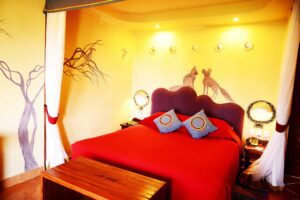
When visiting the Masai Mara, there are several types of accommodations to suit different preferences and budgets. Broadly, they are divided into three categories: luxury lodges, tented camps, and budget accommodations. Let’s break them down:
- Luxury Lodges: These are the most comfortable and high-end options, offering facilities similar to five-star hotels. You can expect features like private suites, pools, spas, gourmet dining, and even wine cellars! These lodges tend to be situated in prime locations within or near the Masai Mara, giving you amazing views of wildlife and nature. For example, some luxury lodges are located by rivers or on hills where animals gather. A good example is the Mahali Mzuri camp, owned by Richard Branson, which blends luxury with adventure.
- Tented Camps: A step down in price but still offering great experiences, these camps are real treats for those wanting to “camp” without roughing it. These tents are large and often have proper beds, bathrooms, and even electricity! Some offer hot showers and private decks where you can sip a drink while watching zebras or wildebeests pass by. They allow you to feel more connected to nature while staying comfortable. There are also luxury tented camps for those who want glamour and top-tier services while still being in a “tent.”
- Budget Accommodations: For those traveling on a tight budget, there are simpler lodges, campsites, and basic tented camps that still get you close to the action without splurging. While you may not get the perks like pools or gourmet meals, clean facilities and warm hospitality make these a great choice. Some campsites let you pitch your own tent or use one provided for you.
Each type of accommodation offers different experiences. If you’re celebrating a special occasion or traveling with family, a luxury lodge or tented camp might be perfect. If you’re a solo traveler or backpacker, budget stays will let you experience the wonders of the Mara without breaking the bank.
How can one prepare for a safari in terms of gear and clothing?
Preparation for a safari in the Masai Mara involves packing the right gear and clothing to ensure you’re comfortable and ready for the wilderness. Here’s a breakdown of what you’ll need:
- Clothing: Stick to lightweight, breathable clothes in neutral colors like beige, khaki, green, or brown, as they blend well with the environment and don’t attract insects or scare animals. Long sleeves and pants are ideal for protecting against the sun and bugs. During early morning or evening game drives, it can get chilly, so pack a light jacket or sweater. For footwear, sturdy and comfortable walking shoes, like hiking boots or sneakers, are ideal.It’s also essential to bring a wide-brimmed hat and sunglasses for sun protection, especially since safaris involve a lot of time outdoors. Don’t forget a waterproof jacket if you’re traveling during the rainy season (March-May, November).
- Gear: A good pair of binoculars is a safari essential! It helps you see animals at a distance in great detail, whether it’s a lion resting under a tree or a bird flying overhead. A quality camera with a zoom lens is also a must for photography enthusiasts.Bring a daypack to carry small items like sunscreen, lip balm, and insect repellent, especially as the sun can be harsh, and mosquitoes can be annoying in the evenings. Additionally, a reusable water bottle will keep you hydrated during long game drives, as dehydration can sneak up on you in the hot weather.
- Other Essentials: Don’t forget travel documents such as passes and identification, a guidebook, and any prescribed medications. A first-aid kit with basic medical supplies is useful, though most safari guides will have one on hand.
Packing smartly ensures you stay comfortable, prepared, and immersed in the beauty of the Masai Mara without worrying about unnecessary discomforts. Think practical and light!
Are there any safety precautions to consider while on a Masai Mara safari?
Yes! While safaris in the Masai Mara are thrilling, it’s important to follow safety precautions to ensure both your safety and that of the wildlife. Here’s what you need to keep in mind:
- Listen to Your Guide: The most important rule is to always follow your guide’s instructions. Guides know the behavior of animals and the terrain much better than visitors. For example, if a guide tells you to stay quiet or sit still when a lion comes close to your safari vehicle, they’re doing so for your safety. Never try to wander off or explore on your own, as it’s extremely dangerous.
- Stay Inside the Vehicle: On game drives, you’re usually in an open vehicle, but stepping out is strictly prohibited unless your guide says it’s safe in designated areas. Animals might see vehicles as non-threatening, but a human walking around outside can provoke them.
- Keep a Safe Distance: You’ll want to take amazing photos, but always keep a respectable distance from wildlife. Getting too close to animals, such as elephants or buffalo, can stress them or make them defensive. A charging elephant is not something you want to experience!
- Be Aware of the Environment: The Masai Mara is home to both big predators and small dangers like snakes. Stay alert to insects like mosquitos and protect yourself with long clothing and repellent. Also, never leave food out in the open, it can attract animals.
- Avoid Night Wandering: If staying in a tented camp or lodge that’s unfenced, avoid walking around at night without a Maasai escort or guard. Animals, like hyenas or leopards, are active at night and could pose a danger.
- Travel Insurance & Health Precautions: Before arriving, make sure you’re up-to-date on necessary vaccinations (e.g., yellow fever) and take precautions against malaria by consulting with your doctor about anti-malaria tablets. Consider travel insurance to be prepared for unlikely emergencies.
By respecting nature and observing these precautions, you can have a truly memorable and safe safari experience in the Masai Mara!
What are the costs involved in planning a Masai Mara safari?
The costs of planning a Masai Mara safari depend on several factors, including the time of year, the type of safari experience, the level of accommodations, the size of your group, and how long you want to stay. It’s important to know that safari prices in the Masai Mara National Reserve can range from relatively affordable to extremely luxurious, making it possible for people with different budgets to experience this incredible destination.
The biggest component of your costs will likely be accommodations. There are budget-friendly options like basic camping or low-cost lodges, which can cost around $100–$200 per person per night. Mid-range options, such as standard safari lodges or permanent tented camps, typically cost $300–$600 per person per night. For those looking for a luxury experience, high-end lodges or premium tented camps can cost upwards of $1,000 per person per night, ensuring a comfortable stay in the Kenyan wilderness.
Park fees are another significant expense. The Masai Mara National Reserve charges an entry fee of about $70–$80 per adult per day for international visitors. If you visit a conservancy outside the main reserve, the fees may vary, but they’re usually in the $50–$100 range per day, allowing you to explore diverse safari destinations.
You’ll also need to think about transportation. If you travel by road from Nairobi to the Masai Mara, it could cost $200–$300 for a shared shuttle or a private vehicle. Alternatively, flying to the reserve is quicker but costs more (around $200–$400 for a round-trip domestic flight). Game drives within the Masai Mara are typically included in package deals, but if not, you should budget about $150–$300 per day for vehicle hire and guides, especially if you want to enhance your safari adventure.
Other costs include meals, tips for guides and staff (usually around $10–$20 per person per day), and optional extras like hot air balloon rides, which can cost $400–$500 per person.
To sum it up, a budget safari might start around $500–$700 per person for two days, while a luxury, week-long safari could exceed $5,000 per person. Always clarify what’s included in any safari package!
What is the difference between a private safari and a group safari?
The main difference between a private safari and a group safari is how the experience is shared and tailored. On a private safari, your travel group (whether it’s just you, a couple, or a small family) has an exclusive vehicle, guide, and itinerary that’s customized to your preferences. In contrast, on a group safari, you’ll join other travelers to share a vehicle, guide, and overall schedule, making it a popular choice among those seeking a memorable safari adventure.
Private safaris are more flexible, especially in premier safari destinations like the Maasai Mara. You can decide how much time to spend observing a particular animal or landscape, what time of day to go on game drives, and even where to stop for meals or breaks. This makes private safaris ideal for people who have specific interests, like photography, birdwatching, or simply wanting a more intimate experience in the African wilderness. It’s also a great option for families traveling with young kids or groups of friends who want privacy while exploring the amazing wildlife.
Group safaris are more affordable because the costs of the vehicle, guide, and logistics are shared among the participants, often up to 6–8 people. They’re a good choice for solo travelers or those looking to save money and meet other safari enthusiasts. However, group safaris have less flexibility, especially when exploring the abundant wildlife of the Maasai Mara National Reserve. Everyone in the vehicle must follow the same route and schedule, so you might need to compromise over decisions like where to go or how much time to spend watching a certain animal.
For example, if you’re in a group safari and someone loves watching cheetahs while another person is eager to find elephants, the itinerary will try to accommodate both, but you might miss out on extra time near your favorite animal.
Ultimately, whether you choose a private or group safari, both options offer unique experiences that allow you to immerse yourself in the beauty and diversity of Africa’s wildlife. Each safari style has its own advantages, so consider what best suits your travel preferences and enjoy your adventure in the great outdoors.
How does one get to the Masai Mara and what transportation options are available within the reserve?
Getting to the Masai Mara National Reserve can involve either road or air travel, depending on your preference, budget, and time. The Masai Mara is located in southwestern Kenya, about 260 kilometers (160 miles) from Nairobi, the country’s capital.
For road travel, most visitors drive to the Masai Mara. The journey takes about 5–6 hours, depending on traffic and road conditions. A shared shuttle or bus is an affordable option (around $30–$50 per person one-way), but these are less comfortable and often travel on a fixed schedule. Many people hire private vehicles with a driver-guide for a Kenya safari, which costs around $200–$300. This option is much more convenient and allows you to stop for breaks or sightseeing along the way.
Alternatively, flying to the Masai Mara is much quicker and more convenient. Several small airlines, like Safarilink and AirKenya, operate direct flights from Nairobi’s Wilson Airport to various airstrips within or near the Masai Mara. The flight takes about 45 minutes and costs $200–$400 for a round trip. Upon landing, you’ll typically be picked up by your lodge or camp in a 4×4 safari vehicle.
Within the reserve, travel options are mostly limited to 4×4 vehicles, as the terrain consists of dirt roads and tracks. Most safari packages include daily game drives, where you’re driven around the reserve by an experienced guide in an open-top or pop-up-roof vehicle. These vehicles are designed for wildlife viewing and photography.
Luxury camps or lodges may also offer activities like walking safaris, where you explore on foot with a trained guide. Additionally, some hot air balloon safaris are available for aerial views.
In summary, you can either drive or fly to the Masai Mara. Once inside, 4×4 vehicles are the primary transportation method for exploring the reserve and spotting the extraordinary wildlife!