What is the distance between Amboseli and Masai Mara, and how can one travel between the two?
Amboseli National Park and Masai Mara are two of Kenya’s most famous wildlife destinations, but they are quite far apart. The distance between the two parks is approximately 460 kilometers (about 285 miles) in a straight line. However, the actual travel distance is longer because there is no direct road connecting Amboseli and Masai Mara. Typically, you would travel via Nairobi, Kenya’s capital city, which serves as a major hub between the two parks, making it an essential part of your trip itinerary.
There are two main ways to travel between Amboseli and Masai Mara: by road or by air. If you choose to travel by road, the journey can take anywhere from 8 to 10 hours, depending on the condition of the roads, the weather, and traffic. This road trip involves driving from Amboseli to Nairobi (about 4-5 hours) and then from Nairobi to Masai Mara (another 5 hours). It’s a long but scenic route with plenty of opportunities to see the countryside and wildlife along the way.
Alternatively, traveling by air is a quicker and more convenient option. Both Amboseli and Masai Mara have small airstrips, so you can take a domestic flight. Flights usually take about 1.5 to 2 hours depending on flight schedules and layovers. Most flights operate via Wilson Airport in Nairobi, making this option particularly popular among travelers looking to save time and enjoy the experience in comfort.
To sum up, Amboseli National Park and Masai Mara are far apart, and travelers either make the long drive or opt for faster domestic flights. Regardless of how you travel, both parks are worth the journey for their distinct wildlife and landscapes, making them ideal safari destinations.
What are the primary modes of transportation available for this journey, and how long does it take?
The two primary modes of transportation between Amboseli and Masai Mara are by road and by air. Each option has its own benefits and drawbacks depending on your travel style, budget, and time constraints.
- Traveling by road: Most visitors traveling by road hire private safari vehicles, often 4×4 Land Cruisers, provided by safari tour operators. These vehicles are ideal for Kenya’s rough roads and off-road game drives. The journey typically starts in Amboseli, goes to Nairobi, and then continues to Masai Mara. It takes around 8 to 10 hours in total. The first leg of the drive, from Amboseli to Nairobi, is about 4-5 hours, and the second leg, from Nairobi to Masai Mara, takes another 5-6 hours. While road travel is long and can be bumpy, it’s a great way to see Kenya’s countryside, passing villages, local communities, and scenic landscapes.
- Traveling by air: Taking a domestic flight is the faster and more comfortable way to travel. Local carriers like Safarilink and Air Kenya operate flights between Amboseli and Masai Mara. These flights are not direct; they usually have a layover at Wilson Airport in Nairobi. Total travel time, including the layover, is about 1.5 to 2 hours. This option is more expensive than road travel, but it’s much quicker and offers fantastic aerial views of Kenya’s diverse terrain, including plains, hills, and even Mount Kilimanjaro.
In short, road travel is cheaper but takes longer, while air travel is pricier but faster and more comfortable. Choosing the right mode depends on your time, budget, and the kind of experience you want during your trip.
What is the best time of year to visit Amboseli and Masai Mara?
The best time to visit Amboseli and Masai Mara is generally during the dry seasons, as wildlife viewing is at its peak. However, these parks are also stunning at different times of the year, depending on what you want to experience.
- Amboseli: The best time to visit Amboseli is during the dry season, which runs from June to October. During this time, the weather is sunny, and the vegetation is sparse, making it easier to spot wildlife such as elephants, lions, zebras, and giraffes. In addition, the views of Mount Kilimanjaro are usually clear in the early mornings and late afternoons, providing excellent photo opportunities of Africa’s highest mountain. The wet seasons (March to May and November to December) can make road travel in Amboseli challenging, but the scenery turns lush and green, which is perfect for photography enthusiasts.
- Masai Mara: Masai Mara’s high season for visitors is from July to October because this is when the Great Migration occurs. Millions of wildebeest, zebras, and gazelles move between the Serengeti in Tanzania and the Masai Mara in Kenya, and witnessing this spectacle is unforgettable. You’ll also have the chance to see dramatic river crossings involving crocodiles and predators chasing prey. The dry season (June to October) is the best for general game viewing. During the short rainy season (November and December) or the long rains (March to May), the Mara is less crowded and lush, but some roads may become impassable.
In conclusion, June through October is the best time to visit both Amboseli and Masai Mara for wildlife spotting and favorable weather, especially during the Great Migration. However, the parks offer unique experiences year-round, so the right time for you depends on what you want to see and do.
What are the main attractions in Amboseli National Park?
Amboseli National Park, located in southern Kenya near the border with Tanzania, is famous for its breathtaking views of Mount Kilimanjaro, the tallest mountain in Africa. The snow-capped peak of Kilimanjaro provides a stunning background, especially during sunrise and sunset. This makes Amboseli a photographer’s paradise and one of the most iconic safari destinations in the world, perfect for planning your next trip.
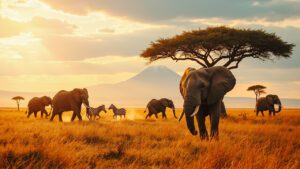
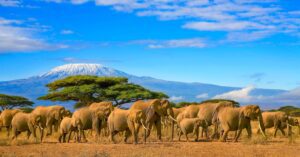
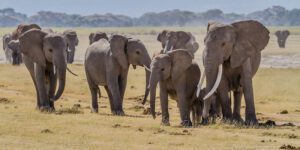
Known as the “Land of Giants,” Amboseli is renowned for its large population of African elephants. Visitors can see herds of these majestic animals roaming freely, often with Mount Kilimanjaro in the background. It’s truly a magical sight! The elephants here are well-studied and protected, making it one of the best places to observe them in their natural environment, especially during an afternoon game drive.
In addition to elephants, the park is home to a rich diversity of wildlife. Lions, giraffes, zebras, cheetahs, buffaloes, and many bird species can be spotted in the park. Bird enthusiasts will enjoy seeing flamingos, pelicans, and other waterbirds near Amboseli’s swamps and seasonal lakes. These wetlands, fed by underground springs from Mount Kilimanjaro, act as water sources for the animals, especially during dry seasons.
Amboseli is also a place to connect with Maasai culture. The local Maasai communities often organize cultural tours where visitors can learn about their traditional way of life, see their unique dances, and visit a Maasai village (called a “manyatta”). These experiences provide a deeper understanding of life in this region, making your trip more enriching.
In short, Amboseli’s main attractions are its iconic landscapes, incredible wildlife (especially elephants), birdlife, and the opportunity to engage with Maasai culture. If you are visiting Kenya, Amboseli offers a mix of natural beauty and rich cultural experiences that are hard to find elsewhere.
What are the key highlights of the Masai Mara National Reserve?
The Masai Mara National Reserve, located in southwestern Kenya, is one of Africa’s most famous safari destinations. It is part of the larger Mara-Serengeti ecosystem, shared between Kenya and Tanzania, and is renowned for its incredible wildlife, dramatic landscapes, and world-famous events like the Great Migration. Planning a trip here can include direct flights from major cities, making it accessible for travelers seeking an unforgettable adventure.
One of the biggest highlights is the Great Migration, sometimes called “The World Cup of Wildlife.” This annual event occurs between July and October when millions of wildebeest, zebras, and gazelles migrate from Tanzania’s Serengeti to the Masai Mara in search of fresh grass and water. Along the way, they face obstacles like river crossings, where crocodiles lie in wait, and challenges from predators like lions, cheetahs, and leopards. This natural spectacle is considered one of the Seven Natural Wonders of the World.
The Big Five animals (lions, leopards, elephants, rhinos, and buffaloes) are also a major draw for visitors. In the Mara, you have a high chance of spotting these iconic species. The open savannah and rolling plains make it easy to spot wildlife during game drives, and the variety is astonishing compared to many other reserves, especially during the full day Amboseli National Park excursions.
Predator interactions, especially lions hunting their prey, are another highlight of the Masai Mara. The reserve’s lion population is one of the largest in Kenya, and many documentaries have been filmed here due to the high chances of witnessing dramatic wildlife moments.
The Mara River is a central feature, offering beautiful views and unique wildlife sightings, including hippos and crocodiles. Balloon safaris are a popular activity here, allowing visitors to experience the beauty of the Masai Mara from above during sunrise, adding a unique perspective to your itinerary.
Additionally, the nearby Maasai communities offer cultural experiences similar to Amboseli. Visitors can engage with these vibrant people to learn about their traditions, visit their villages, and hear their stories, enriching their overall trip experience.
Simply put, the Masai Mara is world-famous for its wildlife-rich game drives, the Great Migration, stunning landscapes, and cultural connections with the Maasai people. It is one of the best places on Earth for an unforgettable safari experience.
How does the wildlife in Amboseli differ from that in Masai Mara?
While both Amboseli National Park and the Masai Mara National Reserve are rich in wildlife, the type of animals and the overall safari experience differ due to their unique ecosystems and locations. Amboseli is best known for its elephants and scenic landscapes, whereas the Masai Mara is famous for predator-prey dynamics and the Great Migration. For those planning a trip, understanding the differences can help in choosing the right itinerary.
In Amboseli, the most prominent animals are elephants. The park is particularly famous for its herds of large-tusked elephants, which are some of the most studied and well-protected in Africa. Amboseli’s ecosystem, consisting of open plains, swamps, and seasonal lakes, supports other animals like giraffes, zebras, hippos, buffaloes, and wildebeest. However, predators like lions, cheetahs, and leopards are less common here compared to the Masai Mara.
The Masai Mara, on the other hand, is known for its robust populations of predators. If you’re hoping to see lions, leopards, cheetahs, and hyenas in action, the Mara is ideal. The open savannahs and dense prey populations make it a hotbed of wildlife activity. The Mara also has a greater diversity of herbivore species, including large numbers of wildebeest, zebras, and gazelles. These prey animals play an important role in sustaining the predators within this ecosystem, making it a prime destination for an African safari.
Another key difference lies in special events like the Great Migration, which happens almost exclusively in the Masai Mara (and Serengeti). Amboseli does not have a comparable event, but its year-round water supply attracts wildlife during dry seasons, making it great for consistent sightings. For travelers looking to witness this phenomenon, planning a trip during migration months can enhance the experience.
In summary, Amboseli is special for its elephants, views of Mount Kilimanjaro, and unique ecosystems. The Masai Mara, meanwhile, stands out for its predator-prey interactions, the Great Migration, and its high concentration of predators. Both parks offer exceptional experiences, but they feel very different due to their wildlife and landscapes.
What type of accommodation options are available in Amboseli and Masai Mara?
When visiting Amboseli and Masai Mara, there is a range of accommodations tailored to different budgets, preferences, and travel styles. Let’s break this down:
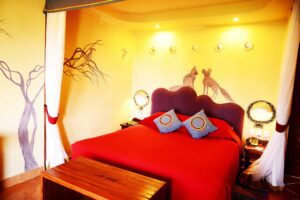
- Luxury Lodges and Camps: Both Amboseli and Masai Mara are famous for their high-end safari lodges and tented camps. These often come with stunning amenities such as private decks overlooking the savannah, infinity pools, gourmet meals, and guided game drives. For example, in Amboseli, you might find luxury options like Tortilis Camp, which offers an eco-friendly luxury experience with Mount Kilimanjaro views. Similarly, in the Masai Mara, you’ll find places like Angama Mara, with its breathtaking clifftop views over the reserve.
- Mid-Range Lodges and Camps: If you want comfort but have a more moderate budget, there are plenty of mid-range lodges and tented camps. These still offer excellent meals, traditional safari tents (with proper beds and private bathrooms), and guided tours. In Amboseli, examples include Kibo Safari Camp or Satao Elerai Lodge. Over in the Masai Mara, Camp Fig Tree or Basecamp Explorer are popular choices that balance comfort and affordability.
- Budget-Friendly Campsites and Lodges: For travelers looking to experience the wild while spending less, both parks provide budget-friendly camping sites or lodges. These options are typically simpler, with shared bathrooms or basic dormitories, but still offer safe spaces to sleep and immerse yourself in nature. In Amboseli, you might consider the Amboseli Camping Ground, while in the Masai Mara, there are affordable options like the Mara Springs Safari Camp.
- Specialized Experiences: At the higher-end lodges and camps in both parks, you can also find specialized luxury “mobile camps” that move based on animal migrations or custom itineraries. These provide a more immersive safari experience and cater to individual needs.
In short, Amboseli and Masai Mara cater to every taste, whether you want a budget camping adventure or an opulent safari getaway. For families, couples, solo travelers, or larger groups, there’s always the right accommodation to match your style and wallet!
Are there any cultural or community experiences available in Amboseli and Masai Mara?
Yes, both Amboseli and Masai Mara offer rich cultural and community experiences due to their proximity to the indigenous Maasai people, one of the most well-known and vibrant communities in East Africa.
- Visit to Maasai Villages (Manyattas): A common and enriching experience in both parks is visiting a Maasai village, where you can learn about the Maasai people’s traditional way of life. You’ll get to meet locals, who often share their customs, music, and dance. For example, in Amboseli, you may visit villages near Kimana Gate, where locals might demonstrate their beadwork, which is significant to their culture. In Masai Mara, villages near the reserve offer similar opportunities to interact with the Maasai.
- Learn Maasai Crafts and Skills: Many cultural tours include workshops where visitors can learn Maasai craftsmanship, like making intricate bead jewelry or shields. These hands-on sessions not only help tourists connect with the culture but also support local artisans economically.
- Traditional Music and Dance: When touring these areas, you might witness traditional performances where the Maasai showcase their iconic jumping dance (“adumu”) and chants. This dance is also a rite of passage for Maasai warriors and symbolizes strength and endurance.
- Wildlife Conservation and Community Linkage: Some camps, like Basecamp Explorer in Masai Mara, bridge wildlife conservation with Maasai involvement. They offer Maasai-guided nature walks, where locals share ancient knowledge about plants, animals, and their environment. Additionally, through initiatives like the Mara Elephant Project or Amboseli Trust for Elephants, visitors learn how protecting wildlife is deeply tied to local communities.
- Taste Local Food: Some experiences include trying local dishes or participating in food preparation using traditional methods. Don’t be surprised if you’re served goat meat or milk tea prepared the Maasai way!
These community experiences are meaningful because they give an insight into an ancient culture that has coexisted with nature for centuries. They also create opportunities for sustainable tourism, benefiting both travelers and Maasai communities.
What is the significance of Amboseli’s views of Mount Kilimanjaro?
Mount Kilimanjaro, located in Tanzania, is Africa’s tallest mountain and one of its most iconic landmarks. From Amboseli National Park in neighboring Kenya, the mountain provides a stunning backdrop that’s both significant and breathtaking.
- Iconic Safari Views: Amboseli is the only major Kenyan park that offers such clear, sweeping views of Kilimanjaro. Imagine standing on the vast plains of Amboseli, with herds of elephants crossing in front of you, and the snow-capped peaks of Kilimanjaro rising majestically in the background. Many wildlife photos from Amboseli, especially those featuring elephants, often include the mountain, making it a visual symbol of African safaris.
- Cultural and Historical Significance: For local Maasai communities in Amboseli, Mount Kilimanjaro holds cultural importance. It is often seen as sacred, symbolizing power, resilience, and continuity, much like the community’s own values and traditions.
- Unique Natural Contrast: Kilimanjaro’s white, icy summit presents a remarkable contrast to Amboseli’s flat, dry terrain dotted with acacia trees and marshlands. This contrast is especially dramatic during sunrise or sunset when the mountain changes colors, from purple at dawn to golden in the evening.
- Draw for Visitors and Inspiration for Conservation: The mountain’s visibility from Amboseli isn’t just aesthetic. The park’s preservation efforts, particularly for its elephant population, are often tied to the idea of protecting the larger “Kilimanjaro ecosystem.” Travelers are inspired to support conservation efforts to keep Amboseli’s wildlife thriving under Kilimanjaro’s watchful gaze.
In summary, Mount Kilimanjaro’s presence transforms Amboseli from a regular game park into a magical, almost spiritual destination. It’s a beacon for photographers, nature lovers, and anyone wanting an adventure that’s as awe-inspiring as it is beautiful!
How is the Great Migration tied to the Masai Mara?
The Great Migration is one of the most famous wildlife events in the world, intricately linked to the Masai Mara. Picture millions of animals, mostly wildebeests, along with zebras and some gazelles, traveling in a massive loop in search of food and water. This extraordinary migration spans across two countries: Tanzania and Kenya. The wildebeests spend much of the year in Tanzania’s Serengeti National Park, and their migration typically brings them to Kenya’s Masai Mara National Reserve between July and October, making it a prime time for travelers planning their African safari itinerary.
Why is this migration so important? It’s all about survival! The animals move in search of fresh grass and water as seasons change. When they cross into the Masai Mara, it’s because the rains have made new grass grow there. However, their journey isn’t easy. For example, they cross the Mara River, which is a dangerous obstacle with crocodiles waiting to prey on the animals. This part of the migration is especially famous and dramatic, it’s both heartbreaking and awe-inspiring to watch.
People from all over the world come to the Masai Mara to witness this natural spectacle. You’ll see massive herds of wildebeests spreading out over the plains, predators like lions and cheetahs stalking them, and the incredible river crossings. This event is an essential part of the ecosystem, supporting the food chain in the region and keeping the grasslands healthy by preventing overgrazing in one area. The experience is further enhanced by the exceptional game viewing opportunities available.
Example: Imagine standing on a hill in the Masai Mara and looking out over the plains as far as the eye can see. It’s like a “sea of animals” stretching to the horizon. That’s what makes the Great Migration so unforgettable.
What should one pack when traveling between Amboseli and Masai Mara?
When packing for a trip between Amboseli National Park and Masai Mara, prioritizing comfort, protection, and practicality is essential. Since you’ll likely be on an African safari and moving between these two different regions, preparing for varying weather conditions and activities is crucial.
Start with lightweight, breathable clothing. Both Amboseli National Park and Masai Mara have warm days, but mornings and evenings can get quite chilly. Pack layers, t-shirts or long-sleeve shirts for the day, and a light jacket or fleece for the early afternoon game drive. Neutral colors like khaki, beige, or olive green are ideal, as they keep you cool and blend into the environment, which helps when observing wildlife.
Footwear is also key. Opt for comfortable walking shoes or boots that you can wear on uneven terrain. Sandals might be handy for relaxing around a lodge, but for activities like walking safaris, tougher shoes are better.
Don’t forget sun protection! Bring a wide-brim hat, sunglasses, and plenty of sunscreen since you’ll be out in the sun a lot. A lightweight scarf or bandana can also be handy to protect your neck from sunburn or to cover your nose and mouth if it gets dusty.
Other essentials include a good pair of binoculars (so you can get a closer look at animals in the distance), a camera to capture memories, and insect repellent to keep mosquitoes and other pests at bay. A small first-aid kit with basics like band-aids, hand sanitizer, and pain relievers is always useful.
Lastly, pack things like a reusable water bottle to stay hydrated, a travel journal if you like to take notes or sketch, and any personal necessities like medications. Remember to pack light, as small planes used in safari travel may have strict weight limits for luggage, especially when considering flights to Amboseli and Masai Mara.
Are there any special permits or fees required to visit Amboseli and Masai Mara?
Yes, there are entry fees required for visiting Amboseli National Park and the Masai Mara National Reserve. These fees are vital for funding the conservation of the parks, protecting the wildlife, and supporting local communities. For Amboseli National Park, the entry fee for non-resident adults is typically around $70 USD per day, while children might pay about $35 USD. If you’re a citizen or resident of Kenya, you’ll benefit from lower charges, about Ksh 860 for adults. It’s important to note that these prices can change, so confirming current rates before your trip is wise.
For Amboseli National Park, the entry fee for non-resident adults is typically around $70 USD per day, while children might pay about $35 USD. If you’re a citizen or resident of Kenya, you’ll have lower charges, about Ksh 860 for adults. It’s important to note that these prices can change, and it’s always good to confirm current rates before visiting.
Keep in mind that if you plan to stay in either park for multiple days (like an African safari that spans several days), you’ll need to pay for each day you’re in the park. Additionally, if you wish to partake in special activities, like a night game drive or a hot air balloon safari, these may come with extra fees.
To make your trip smooth, many tour operators include park fees in the overall package price if you book through them, but it’s good to confirm this. If traveling independently, you may need to pay cash or by credit card at the park gates or entry offices. Plan ahead so you’re prepared for your Amboseli National Park day!
Lastly, ensure you have your itinerary sorted, as many airlines offer flights to the area, making access to both parks easier. Researching airfare options can help you find the best deals for your journey.