What is the ideal duration for a safari in Amboseli?
The ideal duration for a Kenya safari in Amboseli National Park is typically 2 to 3 days. This timeframe allows you to fully experience the park’s incredible wildlife, breathtaking landscapes, and unique features. Amboseli is renowned for its large herds of elephants, stunning views of Mount Kilimanjaro (Africa’s tallest mountain), and diverse ecosystems that encompass wetlands, savannahs, and forests.
With a 2-3 day safari itinerary, you can enjoy multiple game drives at different times of the day, a morning drive when animals are most active, an afternoon drive for a different perspective, and possibly an evening/night drive depending on your accommodations. This schedule allows you to see a wide variety of wildlife, such as lions, cheetahs, zebras, giraffes, and over 400 species of birds. You’ll also have time to absorb the scenery and visit iconic locations like Observation Hill, which offers panoramic views of the park.
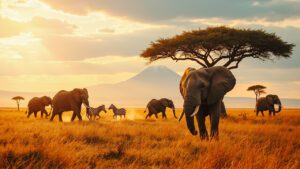
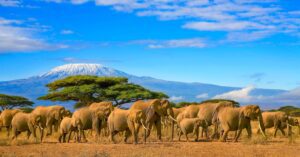
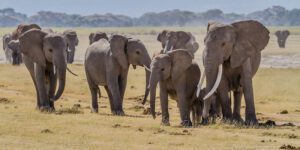
Spending two or three days in Amboseli gives you plenty of opportunities to spot the “elephants of Amboseli” trekking across open plains with Kilimanjaro as the backdrop. A single day might feel rushed, and extending beyond three days might be unnecessary unless you’re a passionate wildlife photographer or want to deeply relax in the luxurious lodges available in the park. Overall, 2-3 days strikes the perfect balance to appreciate Amboseli’s wonders without feeling hurried or overstaying.
How many days are needed to see the major wildlife in Amboseli?
You generally need 2 days to see the major wildlife in Amboseli National Park, making it a prime kenya safari destination. This timeframe gives you a good chance to encounter the famous Big Five (especially elephants and lions), plus other iconic African animals such as giraffes, zebras, wildebeests, and cheetahs. Amboseli is relatively small compared to other parks in Kenya, covering around 392 square kilometers, so it’s quite possible to explore much of the park’s main wildlife areas during a two-day visit on your safari trip.
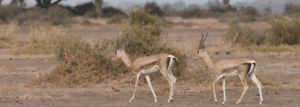
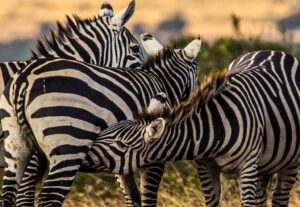
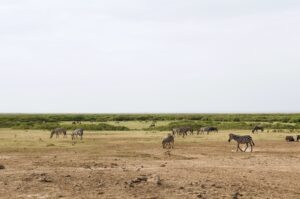
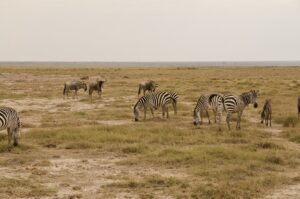
Wildlife is abundant in Amboseli, and a single day of game drives will already reveal spectacular sights, particularly of elephants. However, extending to a second day ensures you don’t miss any key animals and gives you time to visit multiple areas within the park. For example, the park has open plains, swamps, and marshlands that are home to different species. Spending two days means you’ll likely see animals both in open savannah (like antelopes and predators) and in the wetlands where hippos and waterbirds thrive, enhancing your safari experiences.
Another reason to plan for two days is that animals can be unpredictable. You might not spot a pride of lions or a herd of buffalo in one game drive, but on the second day, you’ll increase your chances. Weather also plays a role, if your first day encounters rainy or cloudy conditions, a second day can provide clearer opportunities for wildlife watching and those spectacular Mt. Kilimanjaro views.
In summary, a 2-day visit is ideal for enjoying Amboseli’s wildlife without feeling hurried and missing out on any of the park’s majestic creatures.
Can a day trip to Amboseli be sufficient to experience the park?
A day trip to Amboseli can provide a glimpse of the park, but it might feel very rushed and will likely limit how much of the park you can experience. Since Amboseli is a relatively small park, you can see some of its highlights in one day. However, this would usually include only one or two game drives rather than the full experience you’d get with an overnight stay on a day Kenya safari itinerary.
For a day trip to work, you would need to start very early in the morning, as Amboseli is a 3-4 hour drive from Nairobi (depending on the route and traffic). Once in the park, you might have 4-6 hours to explore before needing to head back. During this time, you could potentially see iconic animals like Amboseli’s famous elephants, zebras, and giraffes, and if you’re lucky, some predators. You could also enjoy key sights like Observation Hill, which offers great views of the park, and even catch glimpses of magnificent Mount Kilimanjaro if the weather is clear.
However, a day trip doesn’t allow you to fully immerse yourself in the park’s tranquility or increase your chances of seeing elusive species like lions or cheetahs. Wildlife sightings depend on timing and luck, and with just a few hours, you might miss out on some highlights. Additionally, the long car journey to and from Nairobi might leave you exhausted after a full day safari.
While a single day is better than missing Amboseli altogether, to truly experience its magic and enjoy multiple game drives at different times (morning and afternoon are best), it’s far better to allocate at least two days. That way, you can savor the park’s beauty without feeling rushed during your unforgettable Kenya safari.
What factors determine the amount of time needed in Amboseli?
There are a few key factors that influence how much time you might want to spend in Amboseli National Park, a popular Kenya safari destination. One of the biggest factors is your personal interest in wildlife. If you’re the type of person who loves sitting and observing animals for hours or trying to photograph the perfect shot of elephants against the backdrop of magnificent Mount Kilimanjaro, you might want more time. For others who want a quick experience of iconic African animals, a shorter stay might suffice.
Another factor is the size and layout of the park. Amboseli isn’t a huge park compared to other reserves like the Masai Mara, so it’s relatively easy to explore in a short amount of time. However, depending on how much of the park you want to cover or specific areas you wish to see, like the swamps (where animals congregate) or Observation Hill (for panoramic views), you might need more hours or consider a full day safari.
The time of year also plays a role in your safari itinerary. During the dry season, animals tend to gather around water sources, making them easier to find. This means you can often see much of the park’s wildlife in just a day or two. In contrast, during the wet season, animals might spread out more, meaning you’ll need extra time to explore and spot them.
Finally, your travel situation dictates timing too. If you’re coming from Nairobi (which takes about 4-5 hours by car), that travel time eats into your overall schedule unless you’re staying overnight. If you’re combining Amboseli with other parks, like the Ngorongoro Crater in Tanzania, you’ll have to factor in how much time you want to devote to each destination.
In summary, your interests, the park’s layout, the season, and travel logistics all influence how long you’ll want to spend in Amboseli. For a broad experience, 2-3 days is often ideal for an unforgettable Kenya safari.
How does the time of year impact the length of stay in Amboseli?
The time of year greatly affects your experience in Amboseli and how much time you’ll need to stay during your Kenya safari. Amboseli has two main seasons: the dry season (June to October and January to February) and the wet season (March to May and November to December). Wildlife behavior changes with the seasons, and these changes can influence how quickly or easily you get to see the animals, impacting how long you should stay on your day Kenya safari itinerary.
In the dry season, animals tend to gather around the park’s permanent water sources, particularly the swamps. This concentrated activity makes it easier to see large groups of elephants, zebras, wildebeests, and other animals in one place. Because the wildlife is so focused in specific areas, you can often have a satisfying experience in just one or two days of your Amboseli safari.
In the wet season, the area around Amboseli becomes lush and green, which means animals can spread out beyond the park’s borders in search of food and water. While the scenery is stunning during this time, it might take longer to see the same variety and number of animals compared to the dry season. If you’re visiting during the wet season, you might want to add an extra day or two to optimize your chances of wildlife sightings.
Another consideration is accessibility. While Amboseli generally has good transport links, heavy rains in the wet season can make some roads muddy and harder to navigate, which might delay your schedule. This could also require some flexibility in how much time you plan for your visit.
In short, if you’re visiting during the dry season, you likely won’t need as much time since the viewing opportunities are concentrated and efficient. In the wet season, the lush environment is gorgeous, but you’ll need to invest more time for wildlife tracking and dealing with possibly slower travel conditions.
Are two days enough to explore Amboseli thoroughly?
Yes, two days can definitely be enough to explore Amboseli thoroughly, especially if you plan your time well. The park isn’t huge, it covers about 392 square kilometers (around 151 square miles), so it’s quite manageable to cover the main highlights in a couple of days. Here’s a breakdown of what a day Kenya safari itinerary might look like in Amboseli, to help explain.
On the first day, you could start with a morning game drive around the swamps, which are hotspots for Amboseli’s famous elephants. The early morning is one of the best times to see wildlife since animals are usually more active before the heat of the day sets in. You might also spot zebras, giraffes, lions, and cheetahs in the open plains nearby. After your morning drive, you can relax at your lodge during the midday hours when the animals tend to rest as well. Then you can head out again in the late afternoon for another full day safari, catching the golden light of sunset, which is absolutely spectacular in Amboseli.
On the second day, you could focus on any areas you didn’t fully explore the day before. A visit to Observation Hill is highly recommended. From the top, you can enjoy panoramic views of the park, with Mount Kilimanjaro in the background. Afterward, you might spend more time at lesser-visited corners of the park or revisit the swamps for more elephant sightings. If you’re lucky, you might catch sight of predators like lions or hyenas while they are on the move.
With two days, you’ll have enough time for about 3-4 full game drives, which is typically sufficient to see the park’s major attractions and most of the iconic wildlife. However, if you’re a serious wildlife enthusiast or a photographer wanting to get unique shots, you might want to add a third day for more leisurely exploration of this amazing Kenya safari destination.
How much time should be allocated for game drives in Amboseli?
Game drives are the highlight of any Kenyan adventure in Amboseli, as they allow you to explore the park and see its stunning wildlife and landscapes. The amount of time you should allocate for game drives depends on your overall schedule and interests, but in general, most people find that doing two game drives per day, one in the early morning and another in the late afternoon, is ideal for a memorable safari experience.
An early morning game drive (around 6:30–9:30 AM) is especially important because this is when animals are most active. The cooler temperatures encourage wildlife like lions, elephants, and gazelles to move around, hunt, and graze. Plus, early mornings provide the best chance to catch predators in action, as they are more likely to hunt during this time. The lighting is also stunning, offering perfect photography opportunities with magnificent Mount Kilimanjaro as a backdrop.
For the afternoon game drive (around 3:00–6:00 PM), you’ll still have excellent opportunities to see wildlife. While many animals rest during the heat of the day, they become active again in the late afternoon when temperatures cool down. Elephants, which Amboseli is famous for, can often be seen at this time enjoying the swampy areas of the park, cooling off, and feeding.
If you only have one day in Amboseli, you can still manage two game drives in a day Kenya safari itinerary. However, if you’re staying for two or three days, you’ll have a chance to space out your game drives and fully immerse yourself in the safari experience. Remember, a midday game drive rarely yields exciting results as it’s the hottest part of the day and wildlife tends to take cover.
So, plan for around 6 hours of game driving per day (split into two sessions), and don’t forget to take breaks, enjoy your lodge or camp’s amenities, and soak in the magnificent views of Amboseli.
Should I combine a trip to Amboseli with other parks in Kenya?
Yes, combining a trip to Amboseli with other parks in Kenya is highly recommended if you have the time and budget. Amboseli is a stunning park known for its iconic views of magnificent Mount Kilimanjaro and some of the largest elephants in Africa, but it is relatively smaller compared to other parks. Exploring additional parks will diversify your Kenyan safari experience by exposing you to different wildlife species, ecosystems, and landscapes.
For example, you could combine a trip to Amboseli with the Maasai Mara National Reserve, Kenya’s most famous park. The Maasai Mara offers the chance to see the famous “Big Five” (lion, leopard, elephant, rhino, and buffalo) and is also the setting for the Great Wildebeest Migration, one of the most spectacular wildlife events on Earth, making it a must-see in any day Kenya safari itinerary.
You could also choose to visit Tsavo East and Tsavo West, two massive parks located near Amboseli. These parks feature red-soil landscapes, diverse wildlife, and unique attractions like the Mzima Springs and the Lava Flows. Another great option is Lake Nakuru National Park, known for its incredible birdlife, including flamingos, and for rhino sightings.
Combining these parks will enrich your safari experience, as each offers a unique setting. For logistical reasons, it’s wise to plan your route carefully. For instance, start in Nairobi (Kenya’s capital), proceed to Amboseli, and then head to the Maasai Mara or the Tsavo parks depending on your goals. Many safari tour operators offer multi-park itineraries, so they’ll help streamline your trip.
In summary, combining parks allows you to maximize your time in Kenya, see more diversity in terms of landscapes and wildlife, and create lasting memories. Just remember to factor in transportation time between parks, which can range from a few hours by road to short flights if you’re tight on time.
What is the best time of day to maximize wildlife viewing in Amboseli?
The best time of day to maximize wildlife viewing in Amboseli is early morning and late afternoon. These are the coolest parts of the day, which are when animals tend to be the most active and visible.
In early mornings, around sunrise (usually 6:00–9:00 AM), herds of elephants, gazelles, zebras, and other animals emerge to graze, drink water, or move around after resting during the night. Predators, like lions or cheetahs, are also often on the hunt during this time because it’s cooler and they won’t easily overheat from exertion. Birds are also particularly vocal and active in the mornings, making it a great time for bird watchers to catch species like African fish eagles and pelicans.
Another major advantage of an early morning safari is the gorgeous light! Soft, golden sunlight enhances the beauty of the park’s landscapes and is spectacular for photography. Picture elephants silhouetted against the backdrop of Mount Kilimanjaro, it doesn’t get more magical than that.
Late afternoon is another excellent time for wildlife viewing, usually from about 3:00 PM until sunset (around 6:30 PM). This is when the temperature starts to drop, and animals become more active again. Elephants are often seen wading through the shallow swamps, feeding on the lush vegetation. You might also spot predators gearing up for nighttime hunting or hippos moving towards land to feed.
The midday, on the other hand, is typically less productive for wildlife viewing. The heat can drive animals into hiding or resting under shade, making it harder to spot them. Take this time to relax at your lodge or camp, enjoy a meal, or simply take in the views.
In summary, stick to early mornings and late afternoons for the best wildlife viewing experience in Amboseli. Plan your game drives accordingly for the best chances to see Amboseli’s incredible animals at their peak activity levels.
How does travel time to and from Amboseli affect the duration of my trip?
Travel time to and from Amboseli is a crucial factor when planning your Kenyan adventure because it can significantly impact how much time you have to enjoy the park. Amboseli National Park is located about 240 kilometers (about 150 miles) southeast of Nairobi, Kenya’s capital city. If you’re traveling by road, the journey takes about 4-5 hours each way, depending on the traffic, road conditions, and your starting point in Nairobi. This means that a round-trip by car can take up nearly a full day of your day Kenya safari itinerary.
For example, if you plan a full day safari to Amboseli, a large chunk of your time will be spent on the road, leaving you with only a few hours in the park. This might not feel like enough time to fully appreciate everything Amboseli has to offer, such as its famous elephants, Mount Kilimanjaro views, and diverse wildlife. For those looking to minimize travel time, flying is an option. Amboseli does have a small airstrip, and flights from Nairobi typically take only 40-45 minutes, saving you several hours. However, flights tend to be more expensive than traveling by road.
The travel time also affects your plans if you want a more extended safari trip, as you’ll need to account for the back-and-forth journey when deciding how many nights to stay. For instance, if you only have two days, driving to Amboseli and back might feel rushed, limiting the time you have to enjoy game drives, sunsets, or other experiences.
To make the most of your trip, consider staying at least two nights. This way, you’ll have plenty of time to explore the park without feeling pressured by the time lost on travel.
Are there specific attractions in Amboseli that require more time to visit?
Yes, Amboseli has specific attractions that might require more time, especially if you’re planning a day Kenya safari itinerary. One of the park’s most famous features is its large herds of elephants, often seen against the stunning backdrop of Mount Kilimanjaro. If you’re a wildlife enthusiast or a photographer, you might want to spend extra time observing and capturing these scenes, as different animals appear at different times of the day.
One must-see attraction is Observation Hill, a raised area in the park offering panoramic views. From here, you can see the wetlands, grasslands, and woodlands, all of which are teeming with wildlife. Climbing up Observation Hill and enjoying the scenery can take some time, especially if you want to combine this experience with a picnic or a leisurely break during your Kenyan adventure.
Another time-consuming spot is the Enkongo Narok Swamp, one of the park’s permanent water sources. This swamp is a haven for elephants, hippos, and water birds like pelicans, herons, and egrets. To fully appreciate the rich biodiversity here, you’ll likely need an extended game drive through the area, which is a key part of any Kenya safari experience.
Additionally, if you’re interested in cultural experiences, visiting a Maasai village near Amboseli can take about 2-3 hours. This allows you to meet the local Maasai people, learn about their traditions, and even watch traditional dances. These cultural visits provide a deeper understanding of the region but require extra planning and time within your schedule.
If your goal is to see as much as possible without feeling rushed, plan for at least two full days in Amboseli to properly enjoy its main attractions and make the most of your safari trip.
How does the choice of accommodation influence the time spent in Amboseli?
Your choice of accommodation can greatly influence how much time you can spend exploring Amboseli, as it affects both your proximity to the park’s main attractions and how smoothly your activities are organized. Amboseli offers a range of accommodations, including luxury lodges, midrange camps, and budget camping sites, both inside and outside the park boundaries. For an unforgettable Kenya safari, consider staying in a lodge that provides quick access to Amboseli’s magnificent landscapes.
If you stay inside the park, such as at a lodge or campsite located within Amboseli National Park, you’ll save significant travel time. Early morning game drives are one of the best ways to see the park’s wildlife, as many animals are most active during this cool time of day. Being close to the action means you can start your drives as soon as the sun rises instead of spending time commuting from a hotel outside the park. This proximity enhances your safari experiences, allowing for more wildlife viewing opportunities.
On the other hand, staying outside the park may be more affordable, but it adds time to your daily activities. For example, if you’re staying in accommodations just outside the park gates, you’ll need to drive into Amboseli each time you want to go on a game drive, which can take 30 minutes to an hour depending on the location. Over the course of your day Kenya safari itinerary, this extra travel can cut into your wildlife-viewing opportunities.
Additionally, some lodges and camps organize activities like night game drives, bush dinners, or guided nature walks. These experiences depend on lodge policies and park regulations, so choosing accommodation that offers such opportunities can enhance your trip and help you use your time more effectively.
For a more relaxed and immersive experience, staying in a lodge or camp inside Amboseli is ideal, especially if you only have two or three days to explore. However, if you’re on a budget, careful planning can make outside-the-park stays just as enjoyable, allowing you to experience the beauty of Amboseli without overspending on safari costs.