Planning a trip to Kenya and not sure whether to visit the legendary Masai Mara or the breathtaking Amboseli? Don’t worry, it’s like choosing between two amazing flavors of ice cream; you really can’t go wrong! Masai Mara is famous for its iconic wildlife and the Great Migration, while Amboseli offers jaw-dropping views of Mount Kilimanjaro and incredible elephant herds. Deciding which is “better” isn’t one-size-fits-all, it depends on what you want! In this guide, we’ll break it all down in super simple terms so you can feel confident picking the perfect safari adventure for you. Let’s dive in!
What are the main differences between Masai Mara and Amboseli in terms of wildlife diversity?
Masai Mara and Amboseli are two of Kenya’s most famous wildlife parks, but they differ distinctly in terms of wildlife diversity.
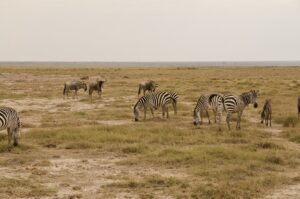
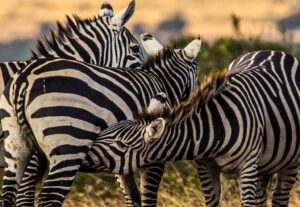
The Masai Mara is a massive savanna that is world-renowned for its incredible variety of animals. It is home to the “Big Five” (lions, leopards, elephants, buffaloes, and rhinos) and countless other species such as cheetahs, giraffes, zebras, wildebeests, hyenas, and antelopes. What makes the Masai Mara particularly special is the sheer abundance of wildlife, there’s always something happening, with predators hunting prey and large herds grazing. The Great Migration, where millions of wildebeests and zebras move across the Mara in search of food and water, is a major highlight, making the park an extraordinary showcase of diverse animal life.
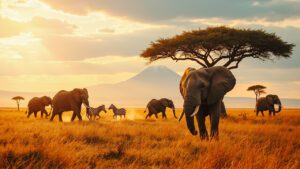
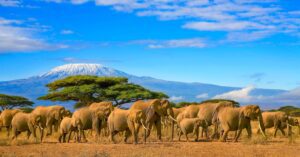
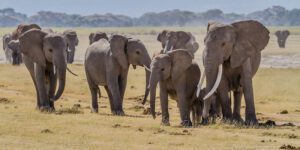
Amboseli, on the other hand, is most famous for its elephants. This park is the best place in Kenya to see large herds of elephants up close, often with breathtaking views of Mount Kilimanjaro in the background. While the park still has lions, cheetahs, and other predators, its overall wildlife diversity is not as high as in the Masai Mara. However, its smaller size makes it easier to spot animals because they are concentrated in specific areas, especially around water sources.
So, if you’re after a wide variety of animals, especially predators, the Masai Mara is the place to go. If your goal is to see majestic elephants in a stunning and unique setting, Amboseli is unmatched. Both parks have something special to offer depending on what you’re looking for in your safari experience.
Which park offers better opportunities for viewing the “Big Five”?
The Masai Mara is generally better for viewing the “Big Five” compared to Amboseli. Here’s why:
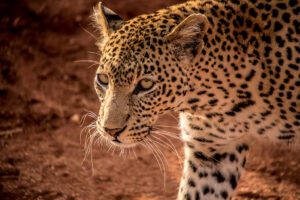
The “Big Five” refers to lions, leopards, elephants, buffaloes, and rhinos. In the Masai Mara, all five species are present and relatively easier to spot. The park is well-known for its thriving population of lions and leopards. Lions are frequently seen lounging in the open savannas or hunting in groups, while leopards, though more elusive, are often spotted resting in trees or stalking prey. Buffalo herds roam the plains in great numbers, often alongside wildebeests and zebras. Elephants are also common in the Masai Mara, and they are often seen wandering in family groups. Rhinos, though rarer, are usually spotted in conservancies bordering the main reserve, such as the Ol Pejeta Conservancy.
Amboseli, on the other hand, shines when it comes to elephants. The park’s elephants are its main attraction, and it’s one of the best places in Africa to see these animals in large numbers. Lions and leopards are present in Amboseli, but they are harder to find due to the smaller predator population. Buffaloes are also present but not as prevalent as in the Masai Mara. Rhinos are absent in Amboseli, so that’s one of the big differences between the two parks when it comes to the “Big Five.”
If spotting all members of the “Big Five” is your priority, the Masai Mara is your best bet because it has more of these animals and a higher chance of seeing them all in one trip. Amboseli is better if your main interest is elephants, combined with the opportunity to see other wildlife.
How do the landscapes and sceneries of Masai Mara and Amboseli compare?
The landscapes and sceneries of Masai Mara and Amboseli are beautiful but very different, offering unique experiences depending on what appeals to you.
The Masai Mara is a vast expanse of rolling savanna grasslands studded with acacia trees and rivers crossing through the area. When most people think of the classic African safari setting, this is what comes to mind. The open plains stretch as far as the eye can see, creating the perfect backdrop for observing large herds of animals like wildebeests, zebras, and antelopes. The Mara River, which is integral to the Great Migration, adds to the park’s dramatic beauty as migratory animals brave its crocodile-filled waters. Sunrises and sunsets in the Masai Mara are striking, with the golden grass glowing against the orange and pink skies. It’s the ultimate picture of raw wilderness.
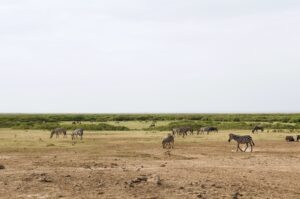
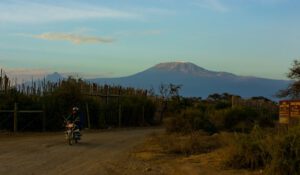
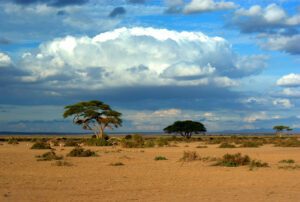
Amboseli, on the other hand, is famous for its iconic views of Mount Kilimanjaro, the highest mountain in Africa. There’s nothing like seeing a herd of elephants walking across the park with the snow-capped peak of Kilimanjaro towering in the background. The landscape at Amboseli is much drier and flatter compared to the Masai Mara, with dusty plains, swamps, and patches of acacia forest. The swamps, fed by underground rivers from Kilimanjaro, are lifelines for wildlife during dry seasons and attract large numbers of animals. The open, dusty environment creates a unique atmosphere that feels almost otherworldly, especially during sunrise or sunset when the light bathes the plains in a golden hue.
In summary, the Masai Mara is ideal for those who want dramatic savanna landscapes and river scenes, while Amboseli offers a more distinctive and picturesque setting with Mount Kilimanjaro and its unique dusty plains. Both are stunning but cater to different preferences when it comes to scenic beauty.
Which park is better for experiencing the Great Migration?
The Masai Mara is by far the better park for experiencing the Great Migration, which is a breathtaking event that captivates wildlife enthusiasts. The Great Migration is one of the most awe-inspiring wildlife spectacles on Earth, where over two million animals, mainly wildebeests, zebras, and gazelles, move in a massive loop between Tanzania’s Serengeti and Kenya’s Masai Mara in search of fresh grazing land and water. This migration typically reaches the Masai Mara between July and October, a time when animals must cross the Mara River, making this a perilous journey and an iconic scene.
The migration typically reaches the Masai Mara between July and October. This is when animals must cross the Mara River, a perilous journey that makes the scene iconic. The river crossings are dramatic, featuring wildebeests and zebras leaping into crocodile-infested waters while predators like lions and cheetahs lie in wait nearby. If being part of this breathtaking event is on your bucket list, the Masai Mara is the clear choice. Amboseli, on the other hand, is known for lots of amazing experiences, but it does not host the Great Migration.
For example, in the Masai Mara, you could sit near the Mara River and watch thousands of animals carefully approach the water, hesitate for a few moments, and then stampede across as crocodiles attack and lions lurk on the other side. This type of spectacle, unique to the Masai Mara, is absent in Amboseli, as its ecosystem and wildlife population do not include the migratory patterns of the animals involved in the Great Migration.
So, if seeing the Great Migration, particularly the thrilling river crossings, is a priority for you, plan your trip to the Masai Mara between July and October. Amboseli is still a wonderful park for wildlife viewing (with top highlights like elephants), but the Great Migration simply doesn’t occur there.
How is the bird-watching experience different in Masai Mara and Amboseli?
Bird-watching in Amboseli and Masai Mara is quite different due to the parks’ distinct ecosystems. Amboseli is a paradise for bird-watchers who enjoy waterbirds, as its swampy areas, seasonal lakes, and grasslands attract a wide variety of aquatic bird species. Masai Mara, on the other hand, is more diverse overall, but its birds are often less visible and include more savanna and open-plain species.
In Amboseli, you’re likely to spot flamingos, herons, pelicans, and egrets that thrive in its marshes. For example, imagine standing by a swamp and seeing beautiful pink flamingos wading in the water while grey crowned cranes with their striking golden “crowns” wander nearby. The park is home to over 400 bird species, making it an excellent location for bird enthusiasts who want to observe both waterbirds and various raptors (birds of prey). The openness of the park also makes it easy to observe birds as they perch or forage in plain view.
Masai Mara is also fantastic for birding, but here the focus is more on savanna species like secretary birds, lilac-breasted rollers (often called one of the most colorful birds in Africa), ostriches, and kori bustards. You might see vultures hovering over prey or smaller songbirds flitting through the grasses. However, because the Masai Mara gets a lot of attention for its mammal species (like the “Big Five”), its spectacular birdlife might feel like a secondary experience compared to Amboseli, which excels in attracting waterbirds.
In summary, Amboseli is better for waterbirds and photographers looking for large, visually striking species in wetland areas, while Masai Mara is better for a more varied range of savanna and raptor species. Both parks are ideal for different types of bird-watching adventures but excel in unique ways.
What are the distinct cultural interactions available in Masai Mara versus Amboseli?
Both the Masai Mara and Amboseli offer rich, meaningful cultural interactions, largely centered around the Maasai people, but the experiences differ slightly depending on the park’s location and its surrounding communities.
In the Masai Mara, cultural encounters with the Maasai are more common and are often tightly integrated into safari activities. You’ll likely have the opportunity to visit Maasai villages (called manyattas) to learn about their traditional way of life. The Maasai people are semi-nomadic pastoralists known for their vibrant clothing, intricate jewelry, and incredible jumping dances, known as the adamu. During your visit, you might see how livestock plays a central role in their economy, learn about their spiritual traditions, and even have a chance to join in singing and dancing. For example, you could sit around a campfire as Maasai warriors tell you stories about their history and survival in the wild. This kind of cultural immersion is particularly common due to the proximity of many Maasai communities to the Masai Mara National Reserve.
In Amboseli, you can also experience the culture of the Maasai people, but the interactions here are often more intimate because the park is smaller and less crowded with tourists. The Maasai communities around Amboseli live in an environment dominated by Mount Kilimanjaro’s scenic backdrop, and their way of life revolves even more prominently around their relationship with their cattle and the challenging semi-arid conditions. In Amboseli, you might have a more personal and less commercialized experience, such as spending a day learning how to herd cattle or observing how traditional Maasai homes (bomas) are built.
In summary, both parks offer amazing opportunities to engage with Maasai culture, but the Masai Mara tends to provide more frequent and larger-scale interactions ideal for first-time travelers. Conversely, Amboseli offers quieter, more intimate cultural experiences, often with Mount Kilimanjaro serving as a postcard-perfect backdrop. Both are incredible opportunities to learn about a rich and ancient culture.
How do the accommodation options vary between Masai Mara and Amboseli?
The accommodation options in Masai Mara and Amboseli differ in variety, style, and overall experience due to their unique locations and ecosystems. Let’s break them down:
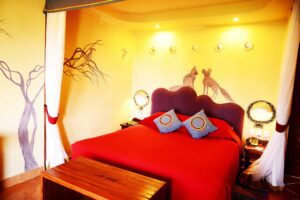
Masai Mara: Masai Mara is one of the most famous safari destinations in Africa, so its accommodation options are plentiful and varied. You’ll find everything from luxury lodges and tented camps to budget-friendly campsites. High-end lodges in the Masai Mara, such as the Mara Serena Safari Lodge or Angama Mara, offer stunning views of its savannah landscape and often feature infinity pools, plush rooms, and gourmet dining. There are also intimate, luxurious tented camps like Governor’s Camp or Kichwa Tembo Camp, which give you the experience of staying in the wild while benefiting from modern comforts.
On the more affordable end, Masai Mara has basic campsites and eco-lodges. These might not have as many frills but still provide a cozy place to sleep while keeping you close to the action. Some camps cater specifically to adventure seekers, while others cater to families or honeymooners.
Amboseli: Amboseli is smaller and less visited compared to Masai Mara, so its accommodation offerings are fewer, but they still cover a range of styles. Luxury lodges, like Tawi Lodge or Ol Tukai Lodge, offer incredible views of Mount Kilimanjaro and Amboseli’s famous elephant herds. These lodges often have spacious rooms, beautiful design, and amenities like pools or spa services.
Amboseli also has midrange tented camps and eco-lodges that give visitors a comfortable, authentic safari experience. Some camps, like Kibo Safari Camp, are strategically located near the Amboseli watering holes, giving guests a chance to see wildlife close up without leaving their rooms. For budget travelers, the area has more limited options, with basic campsites or lodges providing simple but practical accommodations.
Key Differences:
- Masai Mara has a wider range of options overall due to its popularity. Travelers will find more choices for luxury and budget accommodation here compared to Amboseli.
- Amboseli’s accommodations often focus on tranquil experiences with views of Mount Kilimanjaro and the iconic elephants, while Masai Mara’s lodges highlight the savannah and wildlife spectacle like the Great Migration.
An example: If you love luxury and want facilities like spas or high-end dining, Masai Mara might give you more choices. On the other hand, if you prefer a quieter and more intimate spot with elephants roaming past and Kilimanjaro in the background, Amboseli lodges can be hard to beat.
Which safari destination is more suitable for photography enthusiasts?
When it comes to photography, both Masai Mara and Amboseli offer incredible opportunities, but they excel in slightly different ways based on their scenery, wildlife, and unique features.
Masai Mara: Masai Mara is a dream for photographers because of its rich wildlife, open savannahs, and the dramatic annual Great Migration. If your goal is to capture dramatic predator-prey moments or witness thousands of wildebeest crossing the Mara River while fending off crocodiles, Masai Mara is unmatched. The wide, open plains also make it easier to photograph animals in their natural habitat. You can shoot iconic scenes of lions lounging on rocks, cheetahs chasing prey, or herds of zebras and giraffes in golden light during sunrise or sunset.
The sheer abundance of wildlife ensures there’s never a dull moment for photography. Additionally, many high-end lodges in Masai Mara cater specifically to photography enthusiasts. They offer photography workshops, safari vehicles with open roofs, and guides who understand the needs of photographers.
Amboseli: Amboseli is the go-to destination for photographers who want to capture stunning landscapes and dramatic elephant portraits. The backdrop of Mount Kilimanjaro is what makes Amboseli so iconic. Imagine a herd of elephants walking against the snow-capped peaks of Africa’s tallest mountain, this is the kind of shot Amboseli is famous for. The park’s vast, dry salt flats and wet swamp areas also create visually striking contrasts in your photographs.
While Amboseli doesn’t have the Great Migration, its smaller size allows you to get closer to animals, which is great for close-up shots of elephants, lions, and birds. For those interested in photographing big skies with dramatic clouds or capturing reflections in the watering holes, Amboseli definitely delivers.
Key Differences:
- Masai Mara is ideal for action-packed wildlife shots featuring a high concentration of animals and dramatic hunts.
- Amboseli excels in scenic photography with Mount Kilimanjaro as the perfect backdrop, and it’s excellent for capturing elephants up close.
An example: If you want to create a portfolio full of dynamic action photos (think: wildebeests crossing rivers, cheetahs running), go for Masai Mara. But if you’re looking for iconic, serene images of African elephants and breathtaking landscapes, Amboseli is your destination.
Are there significant differences in the climate and best times to visit Masai Mara and Amboseli?
Yes, there are differences in the climate and best times to visit these parks, largely due to their geography and ecosystems.
Masai Mara: Masai Mara has a relatively mild climate, with temperatures averaging between 20°C to 30°C (68°F to 86°F). The park experiences two distinct rainy seasons: the long rains (March to May) and the short rains (November). The dry seasons, particularly June to October, are the most popular for visitors because the roads are easier to navigate and animal sightings are at their peak. This is also the time for the famous Great Migration when millions of wildebeests and zebras move across the Mara River, a spectacle that brings wildlife enthusiasts from all over the world.
The Great Migration is typically from July to October, so if that’s your focus, this is the best time. However, visiting during the green season (rainy periods) still offers lush landscapes, fewer crowds, and excellent opportunities for bird watching.
Amboseli: Amboseli has a drier and hotter climate compared to Masai Mara because it’s located in a more arid region. Daytime temperatures can reach 35°C (95°F), especially in the dry season. Like Masai Mara, Amboseli also has two rainy seasons: the long rains (March to May) and the short rains (November). During the rains, the park transforms as the dry plains turn green, and many animals congregate around the swamps and watering holes.
The dry season (June to October) is considered the best time to visit Amboseli. This is when wildlife is easier to spot since animals gather around the remaining water sources. Plus, the views of Mount Kilimanjaro are clearest during the early mornings in this period.
Key Differences:
- Amboseli is generally hotter and drier than Masai Mara.
- Amboseli’s defining feature, Mount Kilimanjaro, is most visible during clear mornings in the dry season.
- Masai Mara’s highlight is the Great Migration, so its peak season is tied to this event.
An example: If you’re visiting in July and want to see thrilling wildlife spectacles, choose the Masai Mara for the Great Migration. If you prefer fewer crowds and stunning scenery with Kilimanjaro in the background, Amboseli during the dry season is a better match.
What are the advantages of visiting Masai Mara over Amboseli, and vice versa?
The Masai Mara and Amboseli each have unique advantages that make them stand out for travelers depending on what kind of safari experience they’re seeking, so let’s explore the different styles of safaris available today.
Advantages of Visiting Masai Mara
- The Great Migration: Masai Mara is world-famous for the Great Migration, where millions of wildebeest, zebras, and antelopes cross the Mara River every year, usually between July and October. This is one of the most breathtaking wildlife spectacles on Earth, and Amboseli doesn’t offer anything comparable.
- Big Five Game Viewing: Masai Mara is home to the “Big Five” (lion, leopard, elephant, buffalo, and rhino) and has a higher density of big cats like lions, cheetahs, and leopards. This makes it a better choice for those wanting to see predators in action.
- Diverse Ecosystem: The Mara offers a big range of habitats, from open savannahs to riverine forests and swamps. This variety leads to a diverse array of wildlife and scenery.
- Cultural Interaction: Masai Mara is home to the Maasai people, allowing visitors to experience their culture firsthand through village visits, traditional dances, and learning their customs. While Amboseli also has Maasai culture, the Mara offers more extensive opportunities for interaction.
Advantages of Visiting Amboseli
- Views of Mount Kilimanjaro: Amboseli is known for its iconic backdrop of Mount Kilimanjaro (the highest mountain in Africa). This makes for incredible photographs of wildlife – like elephants – against the towering mountain.
- Focus on Elephants: Amboseli is often called the “Land of the Giants” because of its enormous population of elephants. It’s one of the best places in Africa to see elephants up close, often in large herds.
- Quieter Atmosphere: Amboseli sees fewer tourists compared to Masai Mara, so it offers a more tranquil, less crowded safari experience. This can be appealing for those seeking a quieter, more personal connection with nature.
- Unique Landscapes: The park’s flat, open plains with seasonal swamps and dry lake beds provide a distinctive and dramatic landscape. This contrasts with Masai Mara’s rolling hills and lush greenery.
In summary, if you’re looking for lions and big cat action, diverse wildlife, and the incredible Great Migration, Masai Mara is the better option. However, if you prioritize scenic views of Mount Kilimanjaro, extraordinary elephant sightings, and a quieter experience, Amboseli is the perfect choice for your travel plans.
How do accessibility and transport options differ between the two parks?
Accessing Masai Mara and Amboseli involves different transport options and convenience, raising questions about travel logistics.
Getting to the Masai Mara
- By Air: Masai Mara has a good number of small airstrips serviced by domestic flights from Nairobi. Flying takes about 45 minutes to 1 hour and is the fastest and easiest way to reach the Mara, especially for those short on time. Safarilink and Air Kenya are common airlines that provide this service.
- By Road: Driving to Masai Mara from Nairobi takes about 5–6 hours, depending on road conditions. The last part of the journey, however, involves some bumpy and rough roads that can be challenging but also give a glimpse into rural Kenya.
- Accessibility Challenges: While flights are convenient, road travel to the Mara can be daunting for first-time visitors due to infrastructure issues. However, the effort is often worth it given the wildlife and landscapes.
Getting to Amboseli
- By Air: Amboseli also has airstrips that connect it to Nairobi and other major parks. Flying takes about 45 minutes, making it a convenient choice for travelers with tight schedules.
- By Road: Driving to Amboseli takes about 4–5 hours from Nairobi. The roads are in better condition compared to those leading to Masai Mara, which makes the drive slightly more comfortable.
- Accessibility Advantages: Amboseli is closer to Nairobi than Masai Mara, and the road trip there is smoother and shorter. This makes it a more accessible option for those with limited time or those who prefer road travel.
Local Transport:
Both parks use game vehicles (open-sided safari jeeps or 4x4s) to explore wildlife. These are often arranged by lodges or tour operators. The terrain (especially in the rainy season) can be rough in both parks, requiring sturdy vehicles like Land Cruisers.
In summary: Amboseli is generally more accessible by road, as it’s closer to Nairobi with less challenging terrain. Masai Mara’s domestic flights offer quick choices though its longer, bumpy road access makes travel trickier. If convenience is a top priority, Amboseli has an edge.
Which destination is better suited for first-time safari travelers?
For first-time safari travelers, the choice between Masai Mara and Amboseli depends on the type of adventure and wildlife experience they seek, making it a question worth exploring.
Masai Mara for First-Time Travelers
- Excellent Wildlife Diversity: Masai Mara provides the quintessential African safari experience with an incredible variety of animals. The chance to see the “Big Five” and watch predators like lions and cheetahs roaming the plains will excite first-time visitors.
- The Great Migration (Seasonal): If timed correctly (July-October), witnessing the Great Migration is an unforgettable event that can leave a lasting impression on someone’s first safari.
- More Activities: The Mara offers additional experiences like hot-air balloon rides over the savannah at sunrise and deeper cultural interactions with the Maasai people.
- Can Be Overwhelming: However, because Masai Mara is so famous, it also attracts more tourists, especially during peak season. For some first-time travelers, the crowds may feel overwhelming.
Amboseli for First-Time Travelers
- Easier and More Relaxed: Amboseli offers a quieter safari atmosphere with fewer visitors. For someone wanting a less hectic introduction to safaris, this park feels more peaceful.
- Iconic Elephant Watching: Seeing large herds of elephants in their natural environment is a breathtaking experience and one that is easier to focus on in Amboseli compared to a busier Masai Mara.
- Spectacular Scenery: The backdrop of Mount Kilimanjaro provides postcard-perfect views. For new travelers, this adds an extra element of wonder to their first safari.
- Less Varied Wildlife: While Amboseli is great for elephants and some predators (like lions), it doesn’t have the same range of animals as Masai Mara, so the experience could feel more limited.