What are budget Kenya safaris, and how do they differ from luxury safaris?
A budget Kenya safari is a travel experience designed to explore Kenya’s stunning landscapes and incredible wildlife but at a lower price point. These safaris make it more affordable for travelers to visit world-famous national parks, like Masai Mara or Amboseli, without spending large amounts of money. They focus on cutting unnecessary expenses, while still offering incredible opportunities to see animals such as lions, elephants, giraffes, and zebras in their natural habitats.
The main difference between a budget safari and a luxury safari is the level of comfort, exclusivity, and services provided. For example, in a budget safari, accommodation is typically simpler. You might stay in campsites, budget lodges, or small tented camps instead of luxury 5-star lodges or glamourous, air-conditioned tented camps that you would find on a luxury safari. The food offered on a budget safari will likely be more basic, with simpler buffet meals, compared to gourmet multi-course dining experiences on luxury safaris.
Transportation on a budget safari also differs. You might travel in shared safari vehicles with other travelers to reduce costs. These vehicles will probably be standard 4×4 cars without high-end features, while luxury safaris often provide private, spacious vehicles with added perks like Wi-Fi or refreshments.
Finally, luxury safaris tend to offer exclusive perks like private game drives, but budget safaris commonly group travelers together to share expenses. That said, both kinds of safaris give you the chance to have amazing wildlife encounters – the big difference is how you get there and the level of pampering you experience along the way.
In short, a budget safari in Kenya allows you to enjoy the authentic wildlife experience without breaking the bank but involves a simpler and more practical way of traveling compared to the high-end luxury option.
What is the best time of year to go on a budget safari in Kenya?
The best time of year to go on a budget safari in Kenya depends on a balance between good weather, wildlife visibility, and cost efficiency. Fortunately, Kenya’s incredible parks and herds of animals mean you can usually enjoy a safari at any time of year, but there are certain seasons that are ideal depending on your priorities.
For budget travelers, the low season – especially in April, May, and early June – is often the best time to visit. This is because it’s Kenya’s rainy season, which leads to fewer tourists and lower prices for accommodations and safari packages. During this period, camps and lodges commonly offer discounts for budget-conscious travelers. Although heavy rains can occur, they typically do not last all day, and you’ll still have chances to enjoy game drives while avoiding crowds. You’ll also benefit from lush, green landscapes and peaceful experiences in the parks. Just come prepared for muddy roads and bring a rain jacket!
Another great time is the “shoulder season,” around late January to March or in October-November. These months are between peak-season tourism and low-season rains, offering good deals alongside reasonable weather. Wildlife viewing is still excellent, and you won’t have to compete with as many tourists in popular spots like the Masai Mara.
If spotting the Great Migration is your dream, July through September is the time to go. However, this is also high season, meaning accommodations and tours are more expensive. For budget travelers interested in this time, book early to secure cost-friendly options.
In short: If you want to save the most money, the rainy season (April–June) is the ideal time; if better weather is your goal, try the shoulder months (January–March or October–November) for decent prices and good wildlife viewing without the crowds.
What are the most popular budget-friendly safari destinations in Kenya?
Kenya offers several amazing game reserves and national parks that are perfect for budget-friendly safaris. These destinations promise incredible wildlife experiences without requiring luxury prices. Some of the most popular ones include:
1. Masai Mara National Reserve
The Masai Mara is perhaps Kenya’s most famous reserve, known for its abundance of wildlife and the annual Great Migration, where millions of wildebeest and zebras cross the reserve. While luxury options exist here, there are also budget-friendly opportunities. Budget lodges, basic camping trips, and group safari tours help keep costs down. You can still see lions, elephants, cheetahs, and even rhinos!
2. Lake Nakuru National Park
Lake Nakuru is smaller compared to Masai Mara, but it’s an affordable destination for those on a budget. It’s famous for its beautiful flamingos and diverse bird species. You can also spot rhinos, giraffes, lions, and waterbucks here. Since it’s a more compact park, shorter game drives mean you spend less on fuel and transport.
3. Amboseli National Park
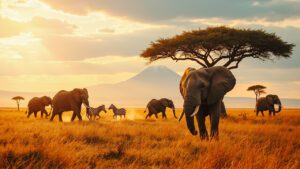
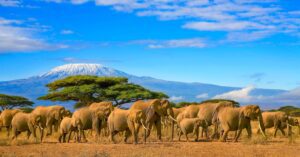
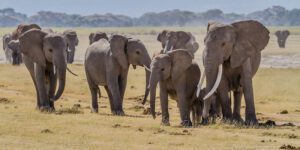
Amboseli offers stunning views of Mount Kilimanjaro and is one of the best places to see free-roaming elephants. Budget travelers can stay in nearby lodges or affordable campsites outside the park and still enjoy all the wonders Amboseli has to offer.
4. Tsavo East and Tsavo West National Parks
Tsavo is one of Kenya’s biggest national park systems. These parks are less crowded compared to places like Masai Mara, making them a great destination for budget-conscious travelers looking for peaceful safari experiences. Tsavo East is known for its famous red elephants, while Tsavo West has beautiful landscapes, including volcanic hills and stunning waterholes.
5. Hell’s Gate National Park
For adventurous travelers, Hell’s Gate is very budget-friendly. You don’t even need a vehicle – you can bike or hike through this park. It’s home to zebras, giraffes, and antelopes, and you can explore its dramatic cliffs, gorges, and geothermal springs.
In conclusion, Kenya offers a range of excellent destinations for budget safaris. Whether you choose the famous Masai Mara or quieter parks like Tsavo and Hell’s Gate, you’ll be rewarded with fantastic wildlife sightings and breathtaking landscapes. Each destination has options for affordable accommodation and tours that allow you to travel without spending too much!
How much should I expect to spend on a budget Kenya safari?
The cost of a budget safari in Kenya typically ranges between $100 to $250 per person per day. This is much more affordable compared to luxury safaris, which can easily cost $500 to $1,000 or more per day. The specific cost for a budget safari depends on factors like the destination, the length of your safari, the type of accommodation, whether it’s a group or private safari, and the time of year you choose to visit.
For example, if you book a three-day group safari to Maasai Mara, a popular destination, you might spend around $300 to $600 per person. This price usually covers shared accommodation (such as tents or budget lodges), meals, transportation (usually in a safari van), a professional guide, and park entry fees.
Accommodation style plays an important role in determining the total cost. On a budget safari, you’ll likely stay in eco-camps, tents, or budget lodgings instead of high-end lodges or private reserves. Meals are often simple (like buffet-style meals or packed lunches) but filling. Transport is usually done in 4×4 vans instead of luxury jeeps.
Keep in mind that the price for budget safaris might not include extras like drinks, tips for guides, or personal expenses (souvenirs, snacks, optional activities). If you want to keep your safari truly budget-friendly, avoid overspending on optional upgrades or add-ons.
Overall, you should plan for $500-$1,500 for a 3-to-6-day safari experience in Kenya. It’s affordable but still includes incredible experiences like watching the “Big Five” (lion, leopard, elephant, rhinoceros, and buffalo) in iconic parks like Maasai Mara.
What types of accommodation options are available on a budget Kenya safari?
Budget safaris in Kenya offer a range of accommodation options to keep costs low while still providing a comfortable experience. The most common ones include camping, budget lodges, and eco-camps. Each of these options gives you a chance to experience the unique landscapes and wildlife of Kenya without breaking the bank.
Camping is one of the cheapest and most adventurous options. You’ll stay in basic tents set up either inside or near game reserves. Facilities in camping safaris are typically shared, including bathrooms and showers, and meals may be cooked jointly or provided by the operator. For instance, if you book a group camping safari, you might sleep in a budget tent near Maasai Mara, have meals near a campfire, and wake up to the sounds of wildlife. Keep in mind that camping offers a rugged experience, so it’s ideal if you don’t mind simpler amenities.
Budget lodges are another option. These are generally permanent structures located near or inside reserves. Unlike luxurious lodges, they provide basic amenities, such as modest rooms with beds, an ensuite bathroom, and simple decor. They are comfortable enough but prioritize functionality over luxury. Examples include camps around Amboseli National Park or Tsavo, which cost significantly less than luxury accommodations but cover the basics.
Eco-camps or tented camps are also popular. These offer semi-permanent tents with more comfort than camping (such as actual beds, mosquito nets, and private bathrooms) but still emphasize affordability and sustainability.
In all these options, you get to stay close to nature. Whether you hear lions roaring at night or wake to birds chirping, these accommodations immerse you in Kenya’s wild beauty. Remember to research what’s included in your booking, like meal plans, to avoid surprises!
Are group safaris cheaper than private safaris in Kenya?
Yes, group safaris are usually much cheaper than private safaris in Kenya because the costs for transportation, a guide, and other shared expenses are split among several people. In contrast, private safaris are designed to accommodate just you (and your travel party, if applicable), so you bear the full cost of the services.
For example, on a group safari, the price of a 4×4 safari van and guide is divided among everyone in the group, often six to eight people. This efficient cost-sharing makes group safaris more pocket-friendly. You can expect to pay around $100-$150 per day on a group safari, compared to $200-$400 per day (or more) for a private one.
Group safaris are also ideal if you’re traveling alone or as a couple because you’ll join other travelers, reducing the overall price. It’s also a good opportunity to meet new people and share experiences. However, you’ll need to be flexible with the itinerary, as the group will follow a set schedule decided by the operator.
Private safaris, on the other hand, give you complete flexibility. You can create your own schedule, decide which reserves to visit, and enjoy a more personalized experience. However, this customization comes at a higher price. Private safaris are better suited for families or groups of friends who want privacy or have unique needs, such as specific photography or wildlife-viewing goals.
If saving money is your top priority, a group safari is the way to go, but if you highly value a tailored experience, consider a private safari. Both options are rewarding, as you’ll still get to see Kenya’s incredible wildlife. It’s all about balancing your budget with your preferences!
What wildlife can I expect to see on a budget Kenya safari?
Kenya is one of the best places in the world for wildlife safaris, and even on a budget safari, you can expect to see a wide variety of incredible animals. The wildlife in Kenya is not limited to luxury safari-goers, the parks and reserves have the same animals, and budget safaris often take you to the same places where the “Big Five” and other fascinating species are found.
The “Big Five” animals, lion, leopard, elephant, buffalo, and rhino, are among the highlights. For example, if you visit the Maasai Mara (a very popular park for safaris in Kenya), you’ll likely come across prides of lions basking in the sun, elephants roaming the savannah, and, if you are lucky, even a stealthy leopard hiding in the trees. The Great Migration in the Maasai Mara (July to October) is a phenomenal time to visit, as millions of wildebeest and zebras cross the Mara River in search of food. Even on a budget safari, you can witness this awe-inspiring event.
In addition to the “Big Five,” you can see cheetahs, giraffes, zebras, hippos, crocodiles, hyenas, and more. For bird lovers, Kenya is home to over 1,000 bird species, including flamingos, ostriches, and eagles. A budget safari to places like Lake Nakuru National Park might bring the chance to see rhinos and flocks of flamingos along the lake’s edge. Samburu National Reserve is another unique destination where you might see animals like the Grevy’s zebra, Somali ostrich, and gerenuk (a type of antelope that stands on its hind legs to eat leaves).
While luxury safaris might offer more personalized experiences, the wildlife doesn’t discriminate, on a budget safari, you’re still surrounded by Kenya’s breathtaking animals. Remember that wildlife sightings depend on luck, the location, and the season, but guides are experienced and know the best spots, so trust their expertise.
How do I find reputable and affordable safari operators in Kenya?
Finding a good safari operator is crucial for ensuring you have a fun, safe, and well-organized trip without being overcharged or scammed. Luckily, even on a budget, there are plenty of reputable operators in Kenya. Here are the steps to help you find one:
- Research Online: Start with trusted travel review platforms like TripAdvisor, SafariBookings, or Google Reviews. These websites contain reviews from real travelers who share their experiences with various operators. Look specifically for operators that are highly rated for both affordability and professionalism.
- Check Certification: Kenya has safari associations that help regulate the industry, such as the Kenya Association of Tour Operators (KATO). Operators who are members of KATO or similar organizations are more likely to stick to ethical and professional practices.
- Ask for Recommendations: Reach out to other travelers who’ve been to Kenya on travel forums, social media groups (such as those on Facebook), or friends who’ve been on safaris. They can recommend affordable operators they’ve personally tried and trusted.
- Compare Prices: Gather quotes from multiple operators to see what’s included and what isn’t. However, be cautious of operators who are dramatically cheaper than all others, they might cut corners in important areas like safety, quality of food, or accommodations.
- Transparency is Key: A reputable safari operator should give you clear details about what’s included in the package, this could be transportation, meals, park fees, accommodations, and guide services. Ask questions – they should be transparent about costs and eager to address your concerns.
- Look for Packaged Safaris: Many budget operators offer group safari packages where you can share costs with other travelers. These tend to be cheaper yet still provide excellent game drives and access to major parks.
For example, a well-known budget operator might offer a 3-day Maasai Mara safari. Read reviews to check things like whether the vehicles were safe, the guides were knowledgeable, and the logistics were smooth. Avoid rushing bookings, and if an operator’s communication feels shady or unreliable, move on to another trustworthy option.
What is included in a typical budget safari package (e.g., meals, park fees, transportation)?
A typical budget safari package in Kenya bundles together a range of essentials to make your trip hassle-free and cost-effective, even if it’s not as luxurious as higher-end packages. These are the main things included:
- Transportation: Many budget safari packages include transportation to and from Nairobi (or another major city) to the safari destination, as well as transportation within the park. This is often done in a shared tour van or 4×4 vehicle, which is equipped with pop-up roofs for better game viewing. For example, on a Maasai Mara safari, this vehicle takes you across the grasslands, stopping for wildlife viewing along the way.
- Game Drives: The highlight of any safari is going on game drives, you’ll typically have two per day, one early in the morning and one in the afternoon. This is when you’ll spot most animals. Budget packages give you shared game drives, meaning you’ll be in the vehicle with other travelers.
- Park Fees: National parks and reserves charge entrance fees for visitors, which are usually included in your package price. For the Maasai Mara, this fee is about $80 per adult per day (as of 2023).
- Accommodation: Budget safaris commonly include basic but comfortable accommodations. These might range from simple safari tents with shared bathrooms to budget lodges with private facilities. For example, you might stay in a tented camp near Amboseli National Park.
- Meals: Most packages include meals, usually breakfast, lunch, and dinner. These are often simple but hearty meals served at your camp or lodge. Packed lunches may be provided for long game drives.
- Guide Services: Budget safaris always come with a professional guide or driver-guide. These guides are knowledgeable about wildlife, behavior patterns, and the best spots to find animals.
What’s typically not included are things like flights to Kenya, personal expenses (like souvenirs), drinks other than water, tips for guides, optional activities (like hot air balloon rides), or travel insurance. Always confirm with your safari operator exactly what’s included to avoid surprises.
How can I save money while planning a safari in Kenya?
Planning a safari in Kenya can be expensive, but with a few smart strategies, you can save money and still enjoy an incredible experience. Here are some tips:
- Travel during the off-season: The high season for safaris is usually during the dry months (June to October and January to February) when wildlife is easier to spot. However, traveling during the wet or “green” season (March to May and November) is cheaper. The parks are less crowded, accommodations are more affordable, and you’ll still see plenty of wildlife.
- Join group safaris: Group safaris are a great way to split costs, such as vehicle rental, driver/guide fees, and fuel. Private safaris may be luxurious, but they’re much pricier since all costs fall on you. Sharing these with others can significantly reduce your expenses.
- Choose budget accommodations: Instead of luxury lodges and camps, opt for budget-friendly options such as campgrounds, hostels, or budget tented camps. You can still find clean, comfortable accommodations without spending a fortune.
- Stick to a few parks: Visiting numerous parks during your trip increases transportation and park fee costs. Instead, focus on one or two nearby parks, such as the Maasai Mara or Amboseli, to save on logistics.
- Book through local operators: International safari companies often charge a premium. Research reputable, local Kenyan operators, they usually offer better prices.
- Limit extras: Activities such as hot air balloon rides or private dinners are delightful but costly. Stick to the essentials, game drives, and skip the pricy add-ons.
- Pack wisely: Bring your own essentials like water bottles, snacks, and sunblock. Some operators charge extra for certain items or supplies, so being prepared helps avoid surprise costs.
By making careful choices as you plan, you’ll reduce costs while still having an unforgettable adventure in Kenya’s wildlife parks.
Are there any hidden costs I should be aware of during a budget safari in Kenya?
While budget safaris in Kenya are often upfront about their costs, there are several potential “hidden” expenses travelers might overlook. Being aware of them can help avoid surprises:
- Park entry fees: Many national parks and game reserves charge daily entrance fees that may not always be included in your safari package. For example, visiting Maasai Mara costs about $70 per person per day (2023 rates). Confirm whether these fees are included in your total price.
- Tipping: Guides, drivers, and camp staff usually expect tips, which are often not included in the safari price. Tipping the guide or driver around $10–$20 per day is common, and camp staff may expect smaller amounts for services like housekeeping or serving meals.
- Meals not covered: Some safaris might include only basic meals or meals during game drives, leaving you responsible for snacks, drinks, or meals before and after your safaris. Eating in camps/lodges can be costly, so clarify what’s included.
- Drinks and bottled water: While meals may be included, drinks (including alcohol) aren’t always covered. Even bottled water may cost extra, especially at lodges or camps.
- Transportation to the starting point: If your safari starts in Nairobi or another city, getting there might not be included in the package. You may need to pay for domestic flights, buses, or taxis.
- Optional activities: Budget safaris usually don’t include extra experiences like Maasai village visits, hot air balloon safaris, or night game drives, which can cost anywhere from $20 to $500.
- Photography fees: Some parks or reserves may have charges for professional cameras or filming equipment. Be sure to check park regulations ahead of time.
To avoid surprises, always confirm what is or isn’t included in your safari package. Ask your operator about hidden costs and have some extra cash on hand for tips, fees, or small purchases.
What preparations should I make before going on a budget Kenya safari (e.g., vaccinations, packing, insurance)?
Preparing for a Kenya safari involves planning for health, safety, and comfort so you can focus on the adventure. Here’s what you should do:
- Vaccinations and health precautions: Visit your doctor 4-6 weeks before your trip to get necessary vaccinations. For Kenya, common ones include yellow fever (recommended or required depending on your country), typhoid, hepatitis A and B, and tetanus. Malaria is a risk in Kenya, so bring antimalarial medication. Carry a basic first aid kit, including items like pain relievers, stomach medication, and mosquito repellent with DEET.
- Travel insurance: Purchase travel insurance that covers medical emergencies, trip cancellations, and evacuations. Since safaris involve outdoor activity, make sure your plan includes coverage for adventure travel.
- Visas and passports: Check Kenya’s visa requirements for your nationality. Most travelers need a tourist visa, which can be obtained online in advance through the Kenya eVisa website. Ensure your passport is valid for at least six months beyond your trip.
- Packing essentials: Pack light but efficiently:
- Clothing: Neutral-colored, breathable clothes for game drives (e.g., khakis, greens). Bring layers for early morning or evening drives when it gets cooler.
- Shoes: Comfortable, closed-toe shoes for walking.
- Accessories: A wide-brimmed hat, sunglasses, and scarf to protect from dust and sun.
- Gear: Binoculars, a good camera, extra batteries, chargers, and adapters (Kenya uses UK-style sockets).
- Toiletries: Travel-size toiletries, biodegradable soap, and wet wipes.
- Money matters: Bring a mix of cash (preferably US dollars or Kenya Shillings) and credit/debit cards. ATMs may not always be accessible in remote areas. Keep small denominations handy for tips or small purchases.
- Documents and copies: Have copies of your travel insurance, passport, visa, and itinerary. Store them digitally and carry physical backups.
By handling health, packing, and paperwork in advance, you’ll be ready for a safe, hassle-free safari!