What are Amboseli National Park tickets, and why are they required?
Amboseli National Park tickets, which are essentially the park entry fees, are essential for entering and exploring this stunning wildlife reserve in Kenya. Known as a great Kenya wildlife destination, Amboseli National Park is famous for its breathtaking landscapes and large elephant herds. Given its status as a protected area, all visitors must pay a park entry fee to help conserve wildlife and their natural habitats.
The Amboseli park fees play a crucial role in the maintenance and management of the park, ensuring that both the animals and the environment are well-protected. These fees fund vital activities such as anti-poaching efforts, habitat conservation, wildlife research, and ranger patrols throughout the park. By purchasing a ticket, visitors contribute directly to the protection of nature and wildlife.
Additionally, it’s important to have a ticket because it helps regulate the number of people visiting the park. This ensures that the park doesn’t get overcrowded, which could harm the environment and disturb the wildlife. The tickets also act as a safety measure, as the park authorities keep track of visitors entering the reserve.
In summary, Amboseli National Park tickets serve as both a gateway to enjoy the park’s natural beauty and a means to support conservation efforts. If you want to witness the iconic sight of elephants against the backdrop of Mount Kilimanjaro, securing your park entry fee is the first step toward that incredible adventure while also aiding in the protection of nature.
How much do Amboseli National Park tickets cost?
The cost of Amboseli National Park tickets varies depending on several factors, such as whether you’re a resident of Kenya or a foreign tourist, and your age group (adult, child, or student). As of the latest information, which can sometimes change, the entry fees are structured in the following way:
For non-residents (foreign tourists), the ticket costs $60 USD for adults and $35 USD for children under 18. These prices reflect the contribution that international visitors make toward the upkeep of the park.
For Kenyan residents and citizens, the rates are much more affordable. Kenyan citizens typically pay 860 Kenyan Shillings for adults and 215 Kenyan Shillings for children, as these rates are subsidized to encourage locals to explore and connect with their natural heritage. East African Community (EAC) residents, from neighboring countries like Uganda, Rwanda, and Tanzania, also enjoy discounted rates compared to non-residents.
School groups and organized educational tours may receive further discounts or special pricing, especially for students and teachers. For example, a school group within Kenya might get reduced rates per student when arranged through the Kenya Wildlife Service or another official body.
Beyond the individual ticket price, visitors should also factor in additional costs, like hiring a guide, renting a vehicle with a driver, or other services to enhance their safari experience. It’s a good idea to confirm prices before visiting since they can occasionally change due to policies or exchange rates.
Where can I purchase Amboseli National Park tickets?
Amboseli National Park tickets can be purchased in a few different ways, making it relatively easy for visitors to get access. The most common place to buy them is directly at the park’s entry gate, where the park entry fee is collected. All the major entry points into the park have a ticket office or booth where visitors can pay the amboseli national park fees on arrival. This is a convenient option, especially if you make a spontaneous visit or are traveling without advance planning.
If you prefer a more organized approach, you can purchase tickets online. The Kenya Wildlife Service (KWS), which manages Amboseli National Park, offers an online booking system through its official website. This is a great option for international visitors or those who want to save time by skipping the queues at the gate. When booking online, you typically receive a confirmation or e-ticket that can be presented at the gate. Remember to have your identification documents (like a passport) ready, as they may check them to confirm your ticket category (resident, non-resident, etc.).
Travel agencies and tour operators are also common places to buy tickets. If you’re booking a guided safari or a full tour package, your operator will often include the cost of entry in the overall price, covering the national park fees. This makes things even easier and ensures everything is arranged for you without extra hassle.
For example, if you book a multi-day safari, the operator might handle all your park fees and logistics. However, always double-check with your tour company to ensure that park ticket costs are indeed covered in your package. This avoids any confusion on arrival that could lead to unexpected expenses.
Are there different types of tickets or passes available?
Yes, there are different types of tickets or passes available for Amboseli National Park, and they cater to various groups of people. This is because the park wants to make sure that everyone, from tourists to local residents, can enjoy its beauty while ensuring that ticket prices are fair based on where you’re from or your status.
Generally, ticket types are divided into categories like:
- Non-Resident Tickets: These are for international tourists who are not citizens or residents of Kenya. Non-residents typically pay the highest ticket price because they’re visiting from abroad, and the funds support conservation efforts.
- Resident Tickets: People who live in Kenya but are not citizens (like expatriates working in Kenya) can purchase resident tickets. These are cheaper than non-resident tickets, but you generally need proof of residency, like a work permit.
- Citizen Tickets: Kenyan citizens get the cheapest rates to encourage locals to enjoy their own country’s natural beauty. Proof of Kenyan citizenship, like a national ID or passport, is required.
- Child Tickets: Children are charged less than adults. The age limit for children’s tickets is usually between 3 and 17 years old, though kids under 3 years might enter for free.
- Special Passes for Groups: Sometimes, groups such as school trips or organized tours can get discounted rates.
- Annual or Multi-Day Passes: If you plan to visit frequently, some parks offer annual or multi-day passes. These are cost-effective if you visit the park many times within a year.
For example, if you’re an international tourist, you would purchase a non-resident ticket that might be about $60 for adults. But if you’re a local Kenyan citizen, the same ticket might only cost around Ksh 500 (which is far lower).
The variety in ticket types ensures fairness and accessibility to support both locals and visitors, keeping in mind conservation efforts and park management sustainably.
Can Amboseli National Park tickets be bought online?
Yes, Amboseli National Park tickets can usually be bought online, making it easier for travelers to plan their visit in advance. In recent years, Kenya Wildlife Service (KWS), which manages the park, has been working toward modernizing how tourists can access national parks, including Amboseli National Park. This includes creating convenient systems for purchasing park entrance fees.
Buying tickets online is useful for a few reasons. To purchase online, you can typically use the official Kenya Wildlife Service (KWS) website or verified travel platforms. Once you make your purchase, you’ll either get an e-ticket or a confirmation email. Some systems may require you to show this e-ticket at the park gate (either a printout or on your phone).
- Convenience: You can buy your ticket from anywhere in the world before you even arrive in Kenya. This saves you time because you don’t have to wait in line at the park entrance.
- Avoid Overcrowding: In popular seasons (like holidays), Amboseli can get quite busy. Purchasing online ensures you secure a ticket and avoid disappointment if the park limits daily visitors.
- Payment Options: Online systems usually accept various forms of payment like credit cards and mobile money (in Kenya), making it adaptable to international and local users.
Example: If you’re an interNational tourist planning to visit Amboseli, you can go to the KWS site, select Amboseli National Park, pick your ticket type (like “Non-Resident Adult”), and complete the payment online. By the time you arrive at the park, you’re all set, knowing you’ve taken care of the amboseli park fees in advance.
However, it’s always smart to double-check the website for policies, as connectivity issues or occasional maintenance of systems might require on-site ticket purchases as a backup. Being aware of the national park fees can help you avoid any surprises during your visit.
Overall, planning your Amboseli National Park visit online not only saves time but also ensures that you are aware of any changes in fees or policies, making your trip smoother and more enjoyable.
Are there discounts available for children, students, or residents?
Yes, Amboseli National Park offers discounts on park entry fees for specific groups such as children, students, and Kenyan residents. These discounts ensure that this incredible Kenya safari destination remains accessible to a diverse range of visitors, fostering equal opportunity for both local and international guests.
1. Children Discounts:
Children always receive lower ticket rates compared to adults at Amboseli National Park. For instance, if an adult ticket costs around $60 for non-residents, the park entry fee for a child might only be $30. Typically, children under the age of 3 enter for free, while those aged 3 to 17 enjoy discounted park fees.
2. Student Discounts:
Students are eligible for further discounts, but this often depends on their school being registered in Kenya. The group must provide proof, such as a letter from their institution or school ID cards. These tickets are usually for educational trips organized by schools or universities and are designed to teach students about wildlife and conservation efforts.
For example, a Kenyan student visiting in a group with their school may pay significantly less than a non-resident tourist. Individual students may need to inquire ahead of time to confirm if discounts apply for private visits.
3. Resident Discounts:
As mentioned earlier, local residents and citizens of Kenya, such as those from Kajiado County, pay significantly lower park entry fees than international tourists. This is to encourage locals to explore and enjoy their country’s natural heritage, including the incredible landscapes of Amboseli National Park.
Example:
Let’s say you’re a Kenyan family visiting Amboseli. A Kenyan citizen parent might pay Ksh 500, while their child might only pay Ksh 200. Similarly, an international family visiting would pay about $60 for each adult and $30 per child.
These discounts reflect Kenya’s effort to make its world-famous parks accessible to everyone, ensuring that cost is not an obstacle, especially for those living nearby or children learning about nature. Always check in advance to ensure you bring the correct documentation to prove eligibility for discounts.
What is the validity or duration of the tickets?
The validity or duration of Amboseli National Park tickets depends on the specific ticket or pass you have purchased. In general, most tickets to Amboseli National Park are typically valid for 24 hours from the time you enter the park, allowing visitors to enjoy the incredible Kenya wilderness. This means if you enter the park at 10 AM on a particular day, your ticket will allow you to stay until 10 AM the next day. This setup gives visitors flexibility to explore the park at their own pace, especially if they’re staying overnight in one of the nearby lodges or campsites. Understanding the Amboseli national park fees is crucial for planning your visit.
It’s important to note that if you leave the park and want to return after the 24-hour window has passed, you may need to buy a new ticket. If you’re planning a multi-day stay in the area and anticipate needing more access to the park, you might want to confirm ticket validity with the park management or explore multi-day ticket or pass options, which can help manage your Amboseli park fees effectively.
For example, let’s say you’re a tourist entering the park at 2 PM with a standard ticket. You could enjoy an afternoon safari on day one, stay overnight at a lodge, and still wake up early to enjoy a sunrise game drive the following morning, all within 24 hours.
However, it’s always a good idea to check the specific terms of the ticket you’re purchasing, as there may be differences based on residency (e.g., Kenyan citizens, East African residents, or international visitors) or the type of ticket (e.g., single-day versus multi-day). Double-checking ensures you make the most of your time in this beautiful national park!
Are there any additional fees or charges apart from the ticket price?
Yes, there may be additional park entry fees or charges apart from the ticket price when visiting Amboseli National Park. These fees vary depending on what activities you’re planning to do, how you’re getting around the park, and what facilities you utilize during your visit.
One example of an extra fee is the vehicle or transportation fee. If you’re driving a personal car, safari vehicle, or even a bus when entering the park, an additional amboseli national park fees charge is applied based on the type and size of the vehicle. This fee helps maintain the roads inside the park. A smaller sedan may have a lower charge, while a larger tour bus (carrying a group) or heavy trucks may cost more.
Another potential charge involves extra activities. For instance, if you’re interested in visiting a Masai village near the park to experience local culture, there is typically a separate fee for entry into the village. Although this is outside the park’s entry fees, it’s an extra cost to consider when planning your trip.
If you plan to stay overnight at a lodge, campsite, or other accommodations inside or near the park, you’ll need to book and pay for that separately. However, some accommodations may include a package that covers park fees. Make sure to clarify this when you book.
Additionally, park guides or rangers offer guided tours or services, which may come with separate costs. While not mandatory, these guides can offer valuable information and help you spot wildlife.
For larger groups or extended stays, there might also be some unique permits or fees for special events or film crews.
To sum it up: while your basic ticket covers entry into the park and the ability to explore the main attractions, you may need to budget for vehicle fees, accommodation, and extra activities on top of the ticket price.
What activities or attractions are included with the ticket?
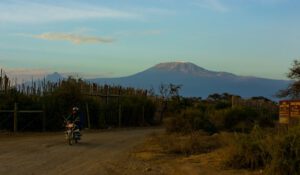
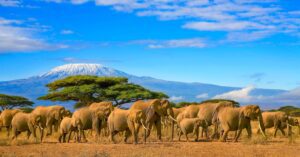
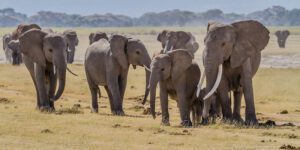
The ticket to Amboseli National Park includes access to the main park area, where you can enjoy various activities and attractions. This includes one of the most iconic reasons to visit the park: wildlife viewing. Amboseli is famous for its large elephant herds. You can see them roaming freely across the plains, often with the stunning backdrop of Mount Kilimanjaro (the tallest mountain in Africa) in the distance. Watching elephants moving in their natural habitat is an unforgettable experience!
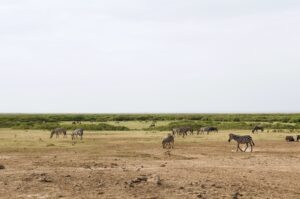
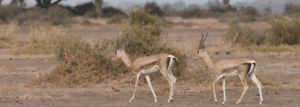
With your ticket, you can also explore the park in search of other amazing animals. Amboseli is home to lions, cheetahs, zebras, giraffes, buffalo, hyenas, wildebeest, and more. Birdwatchers will also be thrilled, over 400 bird species can be found here, including flamingos and African fish eagles. The Amboseli national park fees cover access to these incredible wildlife experiences.
Your ticket gives access to scenic spots within the park, such as wetlands, swamps, and open savannahs. One popular attraction is Observation Hill (also called Noomotio Hill), which is included in your ticket price. Here, you can climb up and enjoy panoramic views of the park, including the mighty Mount Kilimanjaro and wildlife scattered across the plains.
While the ticket covers general park activities like game drives, it doesn’t include specific guided tours or vehicle rentals. However, it allows you the freedom to drive around (following park rules) and spot wildlife. For example, with your own car or safari guide, you might spend the entire day trekking through different parts of the park to see animals or enjoy the scenery, enhancing your Kenya safari experience.
In short, the ticket includes full access to Amboseli National Park and its amazing landscapes and wildlife. You’ll need to organize your transportation, but once inside, there’s plenty to explore and enjoy, making the Amboseli park fees a worthwhile investment for any nature lover!
Do I need to book tickets in advance, or can they be purchased at the entrance?
You don’t always have to book tickets for Amboseli National Park in advance because they are available for purchase at the park entrance. However, booking in advance can often be a smart and convenient choice, especially considering the Amboseli national park fees. Let me break this down for you:
When you arrive at the park gate, you’ll find ticket offices where tickets can readily be purchased. This works well if you’re planning a spontaneous trip or you’re already nearby. However, one key thing to keep in mind is that Amboseli National Park is a popular destination, especially for tourists hoping to catch breathtaking views of Mount Kilimanjaro or experience the park’s abundance of elephants. So, during peak seasons (like holidays or when the weather is nicest), there might be long lines at the gate, or there could be limits on how many people can enter on a given day due to park entry fees.
Booking tickets in advance helps you avoid any hassles, especially if your schedule is tight or you want everything planned ahead. Many travelers book their tickets online through the Kenya Wildlife Service (KWS) official website or third-party tourism platforms, which allows them to plan their visit and secure entry before traveling to the park. This is particularly useful when considering the national park fees for foreigners.
For example, let’s say you’re planning to visit Amboseli as part of a larger safari trip. Buying tickets early saves you time and ensures you’re not turned away at the gate if it’s too busy. Another benefit? Sometimes advance tickets may also align with organizing guided tours or safari packages, which often bundle entry fees with other services.
In summary, while it’s not absolutely required to book in advance, it’s highly recommended, especially during busy seasons or if you want to streamline your visit to this incredible Kenya wildlife destination.
Are there any restrictions or rules to follow with the tickets?
Yes, there are some important restrictions and rules tied to Amboseli National Park tickets, which help protect the park’s environment and its amazing wildlife. These rules aren’t meant to make things difficult, but rather to ensure everyone’s safety and to preserve the ecosystem for future generations. Let’s break them down:
- Non-transferable Tickets: The tickets are typically issued to a specific person, meaning if you buy a ticket, you can’t hand it off to someone else to use. Everyone needs to have their own individual ticket.
- Validity: Tickets are valid for single entry only. This means once you exit the park, you’ll need to purchase another ticket to re-enter. For example, if you leave the park to grab lunch elsewhere, you’ll have to secure a new ticket to come back.
- Stay Within Park Rules: Like all protected areas, Amboseli has certain rules in order to protect its animals and environment. For instance, vehicles are supposed to stay on designated roads, and visitors can’t drive off-road or disturb the wildlife. These rules include things like respecting an animal’s space (no getting too close) or not littering in the park.
- No Unauthorized Activities: While the park allows plenty of fun activities like game drives and viewing wildlife, you can’t undertake unauthorized actions with your ticket. For example, camping or overnight stays require separate arrangements and fees beyond the entry ticket.
- Resident vs. Non-Resident Tickets: Make sure you buy the right type of ticket. Kenya offers discounts to residents of the country or East African citizens, so if you’re eligible for those, bring proof. Otherwise, you’ll need to purchase a non-resident ticket at a higher cost.
Following these rules not only keeps the ticket restrictions clear but also ensures you’re doing your part to protect the incredible wildlife and scenery of Amboseli National Park. For instance, by following the “don’t feed the animals” rule, you’re helping preserve natural animal behaviors.
Is it possible to get a refund or reschedule after purchasing tickets?
Generally, tickets to Amboseli National Park are non-refundable and non-reschedulable, especially for standard entry tickets. Once you’ve bought them, you typically can’t get your money back or change the date of your visit. However, there are a few nuances to this depending on how your ticket was purchased and who it was purchased through, particularly concerning the Amboseli national park fees.
If you book directly through the Kenya Wildlife Service (KWS), their policy is usually ‘no refunds.’ This means if you can’t visit the park on the day you planned, you would lose the funds you spent on that ticket, which includes the park entry fee. The same usually applies to tickets purchased at the park entrance, once the ticket is issued, you won’t be able to modify or cancel it.
That said, certain circumstances might allow room for negotiation. For instance, if you purchased your ticket through a tour operator or travel agency, some companies do offer flexibility, like allowing you to reschedule within a specific timeframe or providing partial refunds. Keep in mind, though, that this typically comes with extra fees or restrictions, often related to the national park fees.
A good example is if you book a safari package that includes your Amboseli National Park ticket, your ability to reschedule would depend on the company providing the package, not the park itself. In rare cases, compassionate considerations, like emergencies, might be granted a partial refund, but this is not guaranteed.
In short, you should double-check refund and rescheduling policies at the time of purchase. For a worry-free experience, try planning and committing to your visit date to avoid missing out. If possible, book through operators with flexible policies to ensure you’re not stuck with unused tickets if your plans change, especially considering the various park entrance fees involved.