How much does an Amboseli safari typically cost?
The cost of an Amboseli budget safari can vary significantly based on factors such as the type of safari you choose (budget, mid-range, or luxury), the duration of your trip, and whether you’re traveling in a group or opting for a private safari. On average, a safari to Amboseli National Park can cost anywhere from $200 to $1,500 per person per day, making it an appealing option for those seeking an African safari experience.
For a budget safari, you’re looking at around $200 to $400 per person per day. This usually includes basic safari accommodation like camping or simple lodges, as well as shared transportation within the park. The focus here is on affordability rather than luxury, making it ideal for budget-conscious travelers.
Mid-range safaris typically range from $400 to $800 per person per day. These safaris often include stays at comfortable lodges or tented camps, enhanced food options, and more personalized service. They strike a balance between cost and the overall safari experience, allowing visitors to enjoy the unique landscape of Amboseli.
Luxury safaris are at the higher end, costing $800 to $1,500 (or even more) per person per day. These trips include stays at high-end lodges or luxurious tented camps with private game drives and top-notch amenities like gourmet meals, spa treatments, and exclusive wildlife experiences.
It’s also essential to note that costs may rise during peak travel seasons, such as the dry months (July–October or January–February), when Amboseli’s abundant wildlife viewing is at its best. Conversely, traveling during the off-season can significantly reduce overall costs, making it easier to plan your Kenya safari itinerary.
What is included in the cost of an Amboseli safari?
Most Amboseli safari packages typically include several key components in the cost, although specifics can vary by provider or package type. Here’s what’s commonly included:
- Accommodation: Whether it’s a budget campsite, mid-range lodge, or luxury tented camp, your accommodation is included for the duration of the safari.
- Game Drives: Guided wildlife-viewing tours, often conducted in open safari vehicles, are a core part of any safari experience. These are usually led by expert guides familiar with Amboseli’s incredible wildlife, like elephants and lions.
- Meals: Many safari packages include all your meals (breakfast, lunch, and dinner) during the trip. Depending on your accommodation level, these range from simple but good food to gourmet dining.
- Transportation Within the Park: This includes traveling between your lodge or camp and game drive locations. The vehicles are often 4x4s to navigate the rugged terrain.
- Park Entry Fees: Some packages include entry fees to Amboseli National Park, which can cost around $60 per adult per day for foreigners.
- Guides and Staff: Professional guides and on-site staff (like cooks, housekeeping, etc.) are typically included in the package. Guides maximize your chances of spotting wildlife and enrich your experience with information about the animals and the environment.
It’s worth double-checking what’s included when booking your safari. For instance, luxury safaris might also include extras like sundowner cocktails, bush walks, or even private game drives.
Are there budget, mid-range, and luxury safari options available?
Yes, Amboseli offers a wide range of safari options, including budget camping and luxury safaris, tailored to various budget levels.
Budget Safaris:
These are the most affordable and ideal for travelers looking to save money. Budget safaris often involve group travel, shared accommodations like campsites or basic economy lodges, and shared game drives with other tourists.
Meals during a budget safari are often simple but filling. You might eat packed picnic lunches instead of sitting in a dining lodge. The focus here is to enjoy Amboseli’s incredible scenery and wildlife without extra frills or luxury.
Mid-Range Safaris:
If you’re willing to pay a bit more for added comfort, mid-range safaris might be for you. These safaris usually include nicer accommodations like tented camps or lodges that offer private bathrooms, hot showers, and decent amenities. The vehicles and guide-to-tourist ratio may also be a bit better.
This type of safari balances affordability with comfort and is ideal for families, couples, or those looking for an overall pleasant experience that’s a step above basic.
Luxury Safaris:
For a top-notch experience, luxury safaris in Kenya spare no expense in delivering exclusivity and comfort. You’ll stay in deluxe lodges or high-end tent camps with private facilities, spa services, and gourmet dining. Private game drives and bush dinners during sunsets are common perks in luxury packages, making your Kenya safari itinerary truly memorable.
Luxury safaris also provide a more personal experience, as every detail is tailored to your liking. For instance, if you want a private safari vehicle or special arrangements for a romantic occasion, luxury packages can customize your itinerary down to the finest details, ensuring you enjoy the majestic herds of Amboseli.
With this wide range of safari tiers, it’s possible to experience Amboseli National Park no matter what your budget is, including options for Amboseli budget safari that cater to diverse preferences!
How does the cost differ between group safaris and private safaris?
The cost difference between group safaris and private safaris in Amboseli mainly comes down to personalization, exclusivity, and the number of people sharing expenses. Group safaris are usually much cheaper since costs like transportation, guide services, and sometimes even accommodation are split among a larger number of travelers. On the other hand, private safaris, especially those tailored in a kenya safari itinerary, cost more because they are customized for you or your private group.
In a group safari, you’re sharing the safari vehicle and guide with other travelers, sometimes up to 6-8 people in a typical safari truck or Land Cruiser. This means activities and travel schedules are preset, and you have less flexibility to customize the experience. For example, if you want to spend an entire hour watching elephants by a waterhole, the rest of the group might prefer to move on, limiting your experience. This shared type of safari can cost anywhere from $100 to $300 per person per day depending on whether you opt for budget, mid-range, or luxury group options.
In contrast, with private safaris, it’s just you (or your personal group) and the guide, meaning you have full control of your itinerary, pace, and stops. Want an early sunrise game drive or extra time photographing the majestic herds of Amboseli park? No problem! The trade-off is the price: private safaris are usually priced per vehicle rather than per person. Costs can range from $500 to $1,500 per vehicle per day depending on the type of safari accommodation, vehicle, and guides involved.
In short, group safaris are the economical option for travelers looking to save money and meet others, while private safaris are best for families, couples, or individuals seeking a highly personalized and exclusive adventure in the diverse wildlife of Africa.
What is the best time of year to visit Amboseli in terms of cost and experience?
The best time to visit Amboseli depends on what you prioritize: cost, wildlife viewing, or overall experience. Generally, the dry seasons, January to February and June to October, offer the best wildlife viewing because animals gather around water sources, making them easier to spot. However, these are also the most expensive seasons because demand is high, and safari accommodations often charge peak rates. Expect luxurious lodges and high-end safari packages to be pricier during these months, especially if you’re considering a Kenya safari itinerary that includes popular parks like Amboseli Park.
If you’re looking for a more budget-friendly visit, consider going during the low or off-season, which usually falls between March and May (the long rains) and November to early December (the short rains). Although these rainy periods might come with occasional downpours, they also bring lush green scenery, fewer crowds, and discounted rates for tours, accommodations, and park fees. For example, some lodges may offer as much as 20-30% off their regular prices during the rainy season, making it a perfect time for an Amboseli budget safari.
For a balance between cost and experience, the shoulder seasons, late December, early January, or autumn months like September, may be ideal. The weather is generally pleasant during these times, and prices might be a bit more reasonable than the peak season.
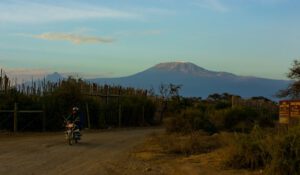
It’s important to note that the rains do not completely ruin a trip to Amboseli. In fact, this can be a photographer’s dream season, as stunning landscapes are complemented by clear skies, magical sunsets, and dramatic cloud formations around Mount Kilimanjaro. If you’re a bargain hunter and don’t mind sporadic rain, the low season is your best bet for experiencing the abundant wildlife of this fantastic park!
Are park entry fees included in the safari cost?
Whether park entry fees are included in your Amboseli budget safari cost depends on the type of package you book. Typically, in most organized Kenya safaris, whether group or private, the park entry fee is included, and the tour operator handles all the logistical details. This makes it convenient for travelers who want an all-inclusive experience without worrying about additional payments during the trip.
The current Amboseli park fee (as of 2023) is $70 per adult per day for non-resident international tourists. For children, the fee is slightly lower, around $40 per day. If the park fee is not included in your package, you’ll need to pay this separately at the park’s entrance gate. Some budget safari operators might charge less overall, but they leave the park fees as your responsibility, so it’s important to clarify this upfront before booking.
In contrast, luxury and mid-range safari packages almost always bundle park fees into the total cost, so you won’t need to pay anything extra when you arrive. For example, a 3-day private or group safari costing $900 might already include accommodation, meals, game drives, and the necessary park entry fees for all days spent in Amboseli National Park.
If you’re planning a DIY trip instead, where you hire your own vehicle and drive into the park yourself, you’ll need to handle the park fees independently. It’s worth noting that residents of East African countries (Kenya, Tanzania, Uganda, etc.) pay significantly lower fees at around $8 per day due to regional agreements and government subsidies.
In summary, ask your tour operator whether fees are covered in your package. In most cases, though, the fees are included for convenience!
What type of accommodation is available, and how does it affect the price?
When you go on an Amboseli budget safari, the type of accommodation you choose can significantly impact the price you pay. Typically, there are three main categories of accommodation: budget, mid-range, and luxury. Each option provides varying levels of comfort, services, and amenities.
Budget accommodations are usually basic campsites, hostels, or budget lodges. These are perfect if you’re trying to save money and don’t mind sacrificing some of the comforts of high-end options. For instance, you might stay in a simple tent where you bring some of your own supplies or stay in a lodge with minimal facilities. These can cost around $50-$150 per night, depending on the level of amenities included.
Mid-range accommodations serve as the sweet spot for many travelers. These include comfortable lodges or tented camps with more amenities like private bathrooms, better dining options, and sometimes even swimming pools. Expect to pay $200-$400 per night in this category. Properties often boast stunning views of Mount Kenya or the park itself without being overly extravagant.
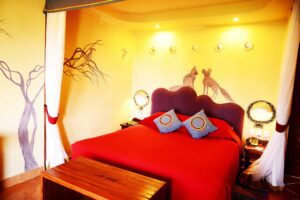
Luxury accommodations are a completely different experience. These might include upscale lodges or high-end tented camps with luxurious interiors, personalized services, gourmet meals, and even private game drives. Prices here can go from $500 to over $1,000 per person, per night. For example, you could stay in a lodge where your tent is more like a five-star hotel suite, complete with polished wooden floors, king-size beds, and outdoor showers overlooking the savanna.
Your choice of accommodation affects the overall safari cost because luxury accommodations often include added perks like premium meals, private transportation, or guided activities, while budget options may require you to pay separately for extras like food or certain experiences.
Do prices vary based on the length of the safari?
Yes, the length of your kenya safari directly affects the price you’ll pay. This is because most safari costs are calculated per day or per night. Staying for longer means paying for more accommodations, meals, guides, park entry fees, and sometimes transportation between locations.
For example, a 1-day safari in Amboseli Park will be the cheapest option but may feel rushed. You’ll usually cover the park highlights quickly without much time to soak in the experience. These shorter safaris might cost $200-$300 per person depending on whether you’re in a group or traveling privately.
A 3-day safari is more popular because it gives you a chance to relax and experience the park’s beauty. You’ll have more opportunities to spot Amboseli’s famous elephants, lions, and views of Mount Kenya without feeling pressed for time. Prices for a 3-day journey can range from $600-$1,200 per person for mid-range packages and much higher for luxury safaris.
If you select a week-long safari, costs will naturally increase. A 7-day Amboseli package can start from $2,000 per person for budget options and exceed $7,000 for high-end luxury safaris. However, longer safaris may include additional experiences like visiting nearby national parks such as Tsavo or Masai Mara, which could make the price worth it.
To sum up, the longer your safari, the higher the overall cost, although some operators may offer discounts for extended stays. A longer safari also gives you better value by ensuring a more immersive experience.
Are meals and drinks included in the safari package?
Meals are almost always included in safari packages, but the inclusion of drinks depends on the type of safari you choose. Let’s break this down further:
Meals: Safaris typically include all meals, breakfast, lunch, and dinner, while you’re on the trip. Budget accommodations may offer simple meals like sandwiches, soups, or rice-based dishes. Mid-range and luxury safaris, however, provide higher-quality food, sometimes with multiple course meals or even gourmet dishes. For example, a luxury lodge might serve breakfast by the bush or offer a buffet-style dinner featuring grilled meats, fresh salads, and international cuisine.
Drinks: This largely depends on your package. For budget safaris, tea, coffee, and water are generally included, but you’d likely have to pay extra for soft drinks, alcoholic beverages, or specialty drinks. Some mid-range safari lodges throw in a complimentary welcome drink but might charge for everything else. Luxury safaris, on the other hand, often include a wide variety of drinks, wine, beer, sodas, and sometimes even cocktails, as part of the package.
If drinks aren’t included, expect to spend $3-$5 per soda, $5-$10 for a beer, and over $20 for wine or cocktails at most safari lodges or camps.
Always confirm with your tour operator what’s included in their package because the terms can differ. You don’t want to assume all drinks are free only to find yourself with a surprise bill at the end of your trip!
What additional expenses should I budget for, such as tips, flights, or personal purchases?
When planning an amboseli budget safari, it’s essential to consider additional expenses beyond the basic safari package. These costs can quickly add up, so budgeting in advance ensures you’re not caught off guard.
Flights: If you’re flying internationally to Kenya, you’ll need to budget for your airfare to Nairobi, as most safaris to Amboseli begin there. Additionally, there may be short domestic flights from Nairobi to Amboseli or ground transportation costs. International flights vary depending on where you’re coming from but can cost hundreds or even thousands of dollars.
Tips: Tipping is customary in the safari industry. Guides, drivers, and lodge staff rely on tips as part of their income. You might budget around $10-$20 per day for your guide/driver and $5-$10 for lodge staff or porters. Keep cash (USD or Kenyan Shillings) on hand for tips.
Park Fees: While many safari packages include park entry fees, some budget options do not. It’s always good to double-check. Amboseli’s entry fees are around $60-$90 per adult, per day for non-residents.
Personal Purchases: If you plan to buy souvenirs, such as Maasai crafts, jewelry, or artwork, allocate some money for shopping. Additionally, you may need extra funds for snacks, alcoholic beverages, or upgrades during your trip.
Travel Insurance: A must for safaris. This ensures you’re covered if you experience canceled trips, medical emergencies, or lost belongings. It might cost between $50-$200 depending on the coverage.
Vaccines/Visas: Visiting Kenya may require a visa (around $50 online) and specific vaccinations like yellow fever. These are another line item to include in your planning.
In sum, aside from your kenya safari itinerary, budget for $500-$1,000 more for extras like travel, tips, and personal plans.
Is transportation to and from Amboseli, including airport transfers, included in the cost?
Whether transportation to and from Amboseli Park is included in the safari package depends on the provider and package you select. Some packages are all-inclusive, covering all transportation, while others require you to arrange certain parts yourself. For a memorable kenya safari, ensure you check what’s included in your itinerary.
Typically, if you’re flying into Nairobi (Kenya’s capital and the gateway to Amboseli), many operators will offer airport transfers to your hotel or starting point. From Nairobi, there are two main ways to reach Amboseli: by road or by domestic flight. The Amboseli budget safari options often provide a cost-effective way to experience this incredible destination.
Road transport: Amboseli is about a 4–5-hour drive from Nairobi. Many safari packages include a roundtrip by safari truck, jeep, or 4×4 vehicle as part of their pricing. Group safaris almost always include road transport, while private safaris may charge extra if custom routes are involved.
Flights: A quicker option is to take a domestic flight from Nairobi to Amboseli’s airstrip. Some luxury safari packages include charter flights as part of their cost, but budget and mid-range options often do not. If not included, the roundtrip flight can cost $200-$300 per person.
Considerations: Be sure to carefully read the details of your safari package. If transportation is not included, you will need to make arrangements, whether through the operator or independently. For private transport or luxury upgrades, expect additional charges.
Airport transfers from Nairobi’s main airport (Jomo Kenyatta International Airport) are often included if your safari starts immediately, but if you’re extending your stay in Nairobi, you may need to pay extra for rides to hotels.
In short, while many safaris include transportation to Amboseli from Nairobi, it’s not guaranteed, so always double-check and budget $200-$500 extra if needed.
Are there discounts or special offers available for Amboseli safaris?
Yes, discounts and special offers are often available for Amboseli safaris, but they depend on the time of year, group size, and the specific operator you’re booking with. Here’s how you can find and take advantage of these savings:
1. Travel During Low Season: The low season in Amboseli is typically during the wet months (April, May, and November). During these periods, safari operators often offer reduced rates because fewer tourists visit. You might find discounts of 20-30% on accommodations and packages. For example, a kenya safari itinerary that costs $1,500 per person in peak season may drop to $1,000 during the low season.
2. Group Discounts: Traveling with a group allows you to split costs like transportation and guides. Many operators offer group rates, so if you’re traveling with family or friends, ask for discounts. For instance, if a private safari costs $3,000 for two people, a larger group might reduce the per-person cost to $1,500.
3. Last-Minute Deals: If you’re flexible and can book on short notice, you might find last-minute discounts. Tour operators sometimes lower prices to fill up empty spots. Keep an eye on safari websites or sign up for newsletters.
4. Resident Rates: If you’re an East African resident (Kenya, Uganda, Tanzania), you can get significantly discounted park fees and some accommodation rates. While tourists pay $60-$90 for park entry, residents pay $8-$10. Always inquire if you qualify.
5. Children Discounts: Many safari operators give reduced rates for kids under 12 or teens under 16. Lodges also tend to charge less for children sharing rooms with parents.
In conclusion, with some planning and flexibility, you can save money on your Amboseli safari by booking during off-season, traveling with a group, or keeping an eye out for special deals and discounts.