Where is Mbirikani located?
Mbirikani is a region in Kenya located in Kajiado County, situated in the southern part of the country near the border with Tanzania. Nestled within the Maasai land, a culturally rich area and home to the Maasai people, Mbirikani is part of the greater Amboseli ecosystem, known for its breathtaking views of Mount Kilimanjaro, Africa’s tallest mountain, which looms in the distance. This area offers fabulous wildlife viewing experiences, making it a prime location for conservation initiatives.
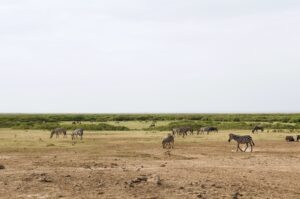
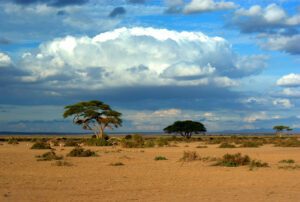
The location is largely rural and characterized by vast savannah grasslands, acacia trees, and skies that stretch endlessly overhead. Being part of the Maasai territory, Mbirikani is stunningly beautiful and serves as a hub of cultural and environmental importance. Close to Amboseli National Park, one of Kenya’s iconic wildlife safari destinations, it provides a perfect habitat for diverse species.
This region is a favorite for conservation and wildlife enthusiasts because it sits in a wildlife corridor, meaning it plays a key role in the movement of animals like elephants, lions, and many more between protected areas. Mbirikani feels like a place where time slows down, it remains undeveloped compared to urban centers but rich with heritage, natural beauty, and wildlife.
So if you picture Mbirikani, think about a remote and wild African landscape, steeped in the culture of the Maasai tribe, under the shadow of Mount Kilimanjaro, and teeming with diverse species of animals, including big cats and herds of elephants.
What is the best time of year to visit Mbirikani?
The best time to visit Mbirikani is during the dry seasons, which generally occur from June to October and from late December to February. During these months, the weather is more predictable, warm, dry, and sunny, making it ideal for outdoor activities like game drives, long hikes, and exploring the beautiful landscapes. The dry season enhances wildlife viewing experiences, as animals, including elephants and big cats, gather around water sources like rivers and watering holes, increasing your chances of spotting them.
During this period, the chances of seeing elephants, zebras, and lions wandering the plains rise significantly. For photographers, the clear skies and golden sunsets create perfect opportunities to capture incredible shots of the African wildlife. On the other hand, visiting during the rainy seasons, typically from March to May and in November, has its own advantages, although it can be trickier. The rains bring lush greenery to the land, and the scenery becomes incredibly vibrant, making it a fabulous wildlife reserve for those who appreciate nature’s wonders.
On the other hand, visiting during the rainy seasons, typically from March to May and in November, has some advantages too, though it can be trickier. The rains bring lush greenery to the land, and the scenery becomes incredibly vibrant. This period also coincides with the “low season,” meaning fewer tourists and possibly more affordable accommodations. However, heavy rains might make certain roads impassable, which could limit access to some parts of Mbirikani, especially for safaris.
Just remember to plan in advance and check the weather conditions before traveling to get the most out of your wildlife experience. By doing so, you can ensure a memorable trip filled with breathtaking sights and cultural interactions that truly represent the heart of this region.
How can one travel to Mbirikani?
Getting to Mbirikani typically involves traveling to Nairobi first, which is Kenya’s capital and largest city. From Nairobi, there are two main ways to travel to Mbirikani depending on your budget and preference: by road or by air.
If you decide to travel by road, Mbirikani is about a 4 to 6-hour drive from Nairobi, depending on traffic and the condition of the roads. Most of the drive is scenic as you pass small towns and wide-open countryside. However, the roads closer to Mbirikani might be unpaved and bumpy, especially during the rainy season. It’s highly recommended to use a 4×4 vehicle for the journey. Many travelers hire tour companies or private drivers familiar with the area, as navigation can be tricky.
Alternatively, you can travel to Mbirikani by air. The quickest way is to book a chartered flight or small aircraft to one of the nearby airstrips, such as the Amboseli Airport. From there, it’s often just a short drive to Mbirikani. Flying is more convenient and offers incredible views of the Amboseli ecosystem and Kilimanjaro during the journey, although it is usually costlier.
Once in Mbirikani, you can move around using local guides, who might drive you into the area’s remote places for safaris or visits to Maasai villages. Whether you choose road or air, it’s key to plan your trip with a reputable local tour operator who understands the place and ensures you have a smooth, enjoyable travel experience.
What are the main attractions and activities in Mbirikani?
Mbirikani, located in southern Kenya, is nestled within the breathtaking Amboseli-Tsavo ecosystem, providing visitors with a mix of natural beauty, wildlife, and cultural experiences. One of the main attractions in Mbirikani is the unparalleled wildlife viewing experiences. The region is home to iconic species like elephants, lions, giraffes, zebras, and cheetahs, as well as vibrant birdlife. Visitors often explore the nearby Amboseli National Park, famous for its big-tusked elephants and stunning views of Mount Kilimanjaro, which forms a majestic backdrop for photographs.
Another key activity is embarking on guided nature walks or game drives. These offer an up-close experience of the unique savanna ecosystem. Visitors can enjoy scenic horseback safaris during sunrise or sunset, which are perfect for spotting animals during their most active times of the day.
The Maasai culture is central to Mbirikani, and cultural visits are a highlight. Many visitors engage with the Maasai community to learn about their traditions, way of life, and their relationship with nature. A visit might involve dancing, storytelling, beadwork demonstrations, or even participation in a traditional ceremony.
For those interested in conservation, Mbirikani offers insight into local efforts to protect wildlife while supporting the Maasai community. Some lodges and conservancies allow visitors to learn about anti-poaching efforts and the science behind conserving endangered animals. Visitors may also participate in eco-tourism activities like tree planting or community initiatives.
In short, Mbirikani offers a combination of adventure, learning, and cultural understanding that leaves a lasting impression on its visitors.
What type of accommodation options are available in Mbirikani?
Mbirikani’s accommodation options typically cater to travelers looking for a more authentic, eco-friendly, and immersive safari experience. Most of the lodging options emphasize a balance between comfort and sustainability to minimize the impact on the environment while giving guests unique access to the wilderness and local Maasai culture. This region is known for its incredible wildlife experience, where guests can witness everything from big cats to herds of elephants.
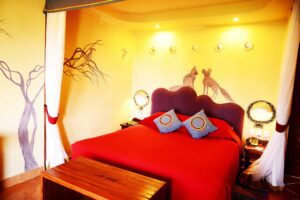
One of the most popular accommodation types are luxury tented camps and eco-lodges. These are often small but highly personalized, offering spacious tents equipped with comfortable beds, private bathrooms, and sometimes even outdoor showers. Despite their rustic appearance, these camps frequently provide top-tier amenities like gourmet meals served under the stars and expert guides for wildlife safaris. An excellent example is the Ol Donyo Lodge, which allows for both luxury and close connection to nature, offering private plunge pools and verandas overlooking the savanna, making it a perfect habitat for observing local fauna.
Camping is also an option for those seeking a more rugged, adventurous stay. Some campsites are basic with minimal facilities, while others offer fully equipped setups with guides, cooking services, and safari vehicles. Camping in Mbirikani offers the thrill of sleeping surrounded by the sounds of Africa’s wildlife, including nocturnal animals that come alive at night.
Community-based lodges and homestays affiliated with the local Maasai communities are another choice. These allow visitors to stay near or within Maasai villages, providing an intimate experience of daily life, local food, and culture. Staying in these accommodations also directly contributes to the local economy and conservation initiatives, ensuring that the wonders of Mbirikani are preserved for future generations.
Overall, accommodation in Mbirikani ranges from luxurious retreats to immersive cultural experiences, ensuring that there is something for every traveler and every budget. Whether you choose to indulge in spa treatments or embark on scenic horseback safaris, Mbirikani guarantees a memorable adventure.
What is the cultural significance of Mbirikani and its surrounding area?
The cultural significance of Mbirikani lies in its deep connection to the Maasai people, one of Africa’s most well-known ethnic groups, and their traditional way of life. The Maasai have lived in this region for centuries and have maintained unique cultural practices, even in the face of modernization. Their relationship with the land, wildlife, and each other is a key aspect of what makes Mbirikani and its surroundings culturally significant, particularly in areas rich with African wildlife.
One of the most remarkable aspects of the Maasai culture is their connection to cattle. For the Maasai, cattle are far more than just animals; they symbolize wealth, status, and sustenance. Cattle form the core of their diet through milk and occasionally meat, and they also hold ceremonial importance during weddings and other rites of passage. Visiting Mbirikani offers tourists insight into this pastoralist lifestyle and its sustainability in a modern world, where the need for conservation initiatives is paramount.
The Maasai are also known for their colorful beadwork, distinct clothing, and traditional dances. Women create intricate beaded jewelry, which is not only beautiful but also carries cultural meanings tied to social status, age, and community. Visitors are often invited to participate in dances like the “adumu,” commonly referred to as the “jumping dance,” performed by warriors as a demonstration of strength and stamina, showcasing their connection to their wildlife experience.
This region also holds historical and ecological importance because of the Maasai’s harmonious coexistence with nature. Despite the potential dangers of living among wildlife, the Maasai uphold traditional practices that have helped conserve these ecosystems for generations. Their ability to live alongside elephants, lions, and other animals is rooted in a respect for the natural world, highlighting the wonders of their environment.
By visiting Mbirikani, travelers have the chance to learn firsthand about the Maasai’s culture, their challenges in adapting to a changing world, and their contributions to both conservation and Kenya’s cultural heritage.
Are there any specific wildlife or natural features unique to Mbirikani?
Mbirikani is a stunning region located in southern Kenya, near Amboseli National Park, and it’s particularly known for its breathtaking natural beauty and rich wildlife. One of the most unique features of Mbirikani is its proximity to Mount Kilimanjaro, the tallest mountain in Africa. Even though Kilimanjaro is in neighboring Tanzania, it provides a dramatic and beautiful backdrop to the landscape in Mbirikani, especially during sunrise and sunset.
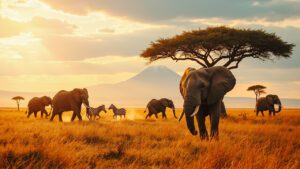
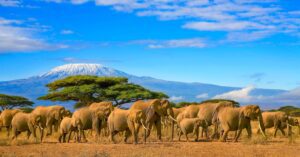
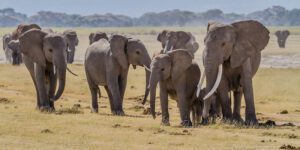
In terms of wildlife, Mbirikani is part of the Amboseli-Tsavo ecosystem, so visitors can expect to see large herds of elephants, including female calves, which are a hallmark of the region. Amboseli National Park, which is nearby, has one of the highest concentrations of elephants in the world, and many of them roam freely through Mbirikani’s vast savannahs. This makes it a great place for wildlife viewing experiences.
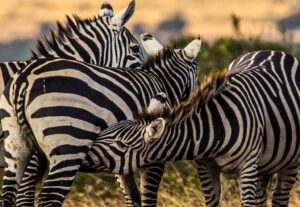
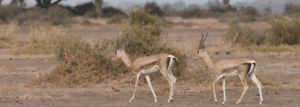
The area is also home to other animals like lions, cheetahs, giraffes, zebras, wildebeests, and different species of antelopes. The birdlife is also incredible; for example, birdwatchers might spot species like African fish eagles, yellow weavers, and grey crowned cranes. If you’re lucky, you might hear a symphony of bird calls or see flocks flying across the skies.
Mbirikani’s natural features include open grasslands, volcanic soil, and dry riverbeds that act as pathways for roaming wildlife. A particularly special mention is the Mbirikani Group Ranch, a Maasai-owned conservation area where local efforts focus on preserving both the wildlife and the fragile ecosystem through sustainable practices. With both the wildlife and the landscapes, Mbirikani offers a truly unique slice of Kenyan wilderness, making it an ideal destination for conservation initiatives and unforgettable wildlife experiences.
What should visitors know about the local Maasai community in Mbirikani?
The Maasai community is a vital part of Mbirikani’s culture and identity, and learning about their traditions can greatly enrich your wildlife experience. The Maasai are one of Kenya’s most well-known indigenous groups, famous for their colorful clothing, beadwork, and age-old customs that have remained largely unchanged over centuries. Their connection to the land is evident, as they often engage in conservation initiatives that protect the fauna and flora of their habitat.
When visiting Mbirikani, you’ll notice that the Maasai people often wear distinctive wraps called “shukas,” which are bright red or patterned with bold colors. These outfits are not just visually striking but have cultural significance, as red is thought to scare off predators like hyenas and symbolize bravery. The Maasai are also known for their intricate beadwork, and visitors often have the chance to admire (or even purchase) necklaces, bracelets, and earrings handmade by local artisans.
One of the most valuable aspects of the Maasai way of life is their deep connection to the land and wildlife. The Maasai have traditionally lived as semi-nomadic herders, relying on cattle for food and cultural practices. They see cattle as a measure of wealth and a gift from God. This strong relationship with animals and nature influences the community’s conservation efforts, particularly through initiatives like the Mbirikani Group Ranch.
Visitors should also respect Maasai customs and traditions while interacting with the community. For example, always ask for permission before taking photos of people, and show interest in their stories, this will help build a connection. You might have a chance to visit a boma (a traditional Maasai homestead) or watch performances of music and dance, including the famous “jumping dance,” where young warriors leap into the air as a show of strength and agility.
Remember, the Maasai are proud of their heritage, and your respectfulness will go a long way in fostering meaningful cultural exchanges.
Are there guided tours or safaris available in Mbirikani?
Yes, there are guided tours and safaris available in Mbirikani, providing a fabulous wildlife reserve experience where visitors can explore the area’s natural beauty and wildlife while also learning about local culture. Most guided tours in Mbirikani are organized in partnership with the Maasai community, ensuring that your wildlife viewing experiences are both authentic and respectful of the local people and environment.
One type of safari widely available is a game drive, where visitors are taken in a specialized vehicle to observe animals in their natural habitat. These safaris often take place in locations like the Mbirikani Group Ranch, a protected area managed by the Maasai people and home to diverse wildlife, including elephants, lions, and big cats. Professional guides, often Maasai locals, provide fascinating insights about the animals, their behavior, and ongoing conservation initiatives.
Walking safaris are another unique experience in Mbirikani. Led by expert guides, these excursions allow visitors to explore the landscape up close, often spotting smaller creatures or plants that might otherwise be overlooked during a vehicle safari. Walking through the savannah with Mount Kilimanjaro in the distance is both peaceful and awe-inspiring. The guides also teach visitors how the Maasai people use their deep knowledge of the environment to navigate and survive.
Cultural tours are also an option. These tours often include visiting a Maasai boma, where you can witness traditional dances, hear folk stories, and learn how the community balances their ancient traditions with modern challenges. Some cultural tours also incorporate hands-on experiences, like learning how to make Maasai beadwork or understanding the role of livestock in the community.
By choosing a guided tour or safari, you not only enhance your visit with expert knowledge but also contribute to conservation and community development efforts, as many tours reinvest profits back into local projects.
What should travelers know about the local climate and weather conditions?
Mbirikani, located in southern Kenya near the Chyulu Hills and part of the broader Amboseli ecosystem, experiences a climate typical of semi-arid regions. The weather in this area is generally warm to hot throughout the year, with a mix of dry and wet seasons. Understanding these seasonal patterns is essential for travelers to plan effectively, especially for those interested in wildlife viewing experiences.
The dry season, which typically runs from June to October, is the most popular time for tourists. During these months, the skies are clear, rainfall is minimal, and temperatures during the day range from 20 to 30 degrees Celsius (68-86 °F). Nights can be cooler, sometimes dropping to 10-15 °C (50-59 °F), especially in July and August. Wildlife viewing is excellent during this time, as animals, including the big cats, tend to congregate around water sources, making them easier to spot.
The wet season is divided into two periods: the “long rains” from March to May and the “short rains” from November to December. During this time, the landscape becomes lush and green, offering scenic views for visitors. Rainfall is typically in the form of afternoon or evening showers, and it’s usually not continuous. Although wildlife might be less concentrated, birdwatching is exceptional in the rainy season, and it’s also a time when many animals give birth, including the female calf of various species.
It’s worth noting that Mbirikani is situated at the foothills of the Chyulu Hills, so some areas might experience slightly cooler temperatures or local variations in weather patterns due to elevation. Travelers should pack accordingly: light clothing for the day, layers for cooler evenings, a waterproof jacket if visiting during the rains, and sturdy shoes in case of muddy terrain. Sunscreen, hats, and sunglasses are also advisable regardless of the season, as the sun can be quite intense in this region.
Are there any safety or health precautions to consider when visiting Mbirikani?
Like other travel destinations in East Africa, safety and health precautions are important for a trip to Mbirikani. Being prepared ensures a safe and enjoyable experience.
First, travelers should pay attention to health-related precautions. Since Kenya lies in a malaria-prone area, it’s recommended to take anti-malarial medication before, during, and after the trip as prescribed by a doctor. Using insect repellent, wearing long-sleeved clothing in the evenings, and sleeping under a mosquito net can further reduce the risk. Additionally, some regions in Kenya require vaccination against yellow fever, so travelers should confirm whether this applies to their trip, especially if entering from another African country. Carrying a small first-aid kit with essentials like band-aids, antiseptic cream, antihistamines, and pain relievers is also a good idea, especially in remote areas.
For safety, visitors should always respect local regulations and be cautious when exploring areas where wildlife is present. Mbirikani forms part of a larger conservancy known for its iconic Maasai culture and wildlife, meaning that close encounters with animals like elephants, lions, or buffalo are possible. It’s essential to follow the guidance of local guides or rangers and never wander into the bush alone or approach wildlife on foot.
Visitors should also stay hydrated, as the region can be hot and dry, leading to dehydration if proper care isn’t taken. Drinking bottled or filtered water is recommended to avoid waterborne illnesses.
As with any travel to a rural area, it’s wise to ensure comprehensive travel insurance that covers medical emergencies, including evacuation, since healthcare facilities in remote parts of Kenya can be limited. Travelers should also register with their embassy and inform trusted contacts of their plans.
Lastly, when visiting or interacting with the Maasai community in Mbirikani, it’s crucial to follow local customs. Always ask for permission before taking photographs of people, and be respectful in dress and behavior to show cultural sensitivity.
What is the impact of tourism on Mbirikani’s environment and community?
Tourism in Mbirikani has both positive and negative impacts on the environment and its local community. Understanding these effects offers valuable insight into the importance of sustainable tourism practices in the region, especially concerning the protection of African wildlife.
On the positive side, tourism provides significant economic benefits to the local Maasai community. Many community members work as guides, trackers, artisans, or in conservancy projects funded by tourism revenue. Lodges and camps in the area often collaborate with the Maasai to promote cultural exchanges, where visitors can learn about traditional practices, purchase authentic crafts, or participate in activities such as dances. This cultural tourism fosters pride in heritage and helps the community generate income, improving access to education, healthcare, and infrastructure, which is crucial for ongoing conservation initiatives.
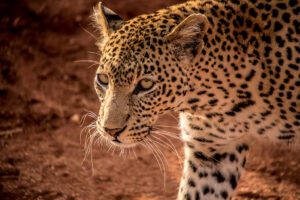
Tourism has also fostered conservation efforts in Mbirikani. The area’s conservancies are funded partly by revenue from travelers, providing resources to protect wildlife and minimize poaching. Local initiatives often involve the Maasai directly in conservation, giving them a vested interest in protecting their land and its biodiversity. For instance, initiatives like lion conservation programs demonstrate how tourism can bring together communities and conservationists to protect endangered species, ensuring the survival of animals like the big cats.
However, tourism can also strain Mbirikani’s environment if not managed carefully. The construction of lodges and increased human presence can disrupt ecosystems, especially if waste isn’t disposed of properly or if water use is excessive. Tourists unfamiliar with animal behavior may unintentionally harm wildlife or stress animals by getting too close. Additionally, communities risk cultural commodification if their traditions are overly commercialized for tourism purposes.
To mitigate these challenges, many Mbirikani organizations focus on eco-friendly tourism. Camps are designed to have a minimal footprint, and visitors are often educated on responsible practices like staying on designated paths, leaving no litter, and respecting wildlife. Travelers can contribute positively by choosing tours and accommodations that are sustainable and contribute directly to the local community, enhancing their wildlife viewing experiences.
By balancing cultural preservation, ecological conservation, and visitor awareness, tourism in Mbirikani can continue to thrive while protecting what makes the region so special.
Final Thoughts
So, why visit Mbirikani? Because it’s a place where adventure, culture, and the beauty of nature come together in a truly special way. We’ve explored the what (a stunning region in Kenya), the why (its amazing wildlife, including sightings of big cats and giraffes, welcoming community, and breathtaking landscapes), and the how (by connecting with local guides and exploring responsibly). It’s more than a trip, it’s an unforgettable wildlife experience. So, why not let your curiosity wander? Dive deeper into what makes Mbirikani so magical and, someday, maybe even experience it for yourself!