Where is Lake Amboseli located?
Lake Amboseli is located in Kenya, a country in East Africa. More specifically, it lies within Kajiado County in the southern part of Kenya, close to the border with Tanzania.
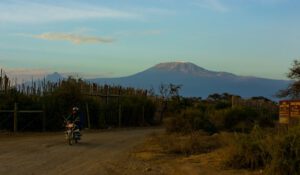
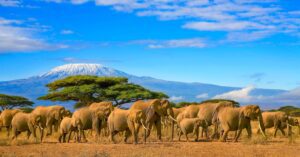
The lake is situated within the Amboseli Basin, a flat and open area dominated by a semi-arid landscape. What makes it even more interesting is that it is part of Amboseli National Park, one of Kenya’s famous wildlife reserves. The park itself sits right at the foot of Mount Kilimanjaro, the tallest mountain in Africa, which is located just over the border in Tanzania. So, from Lake Amboseli, you can often see breathtaking views of Mount Kilimanjaro in the background, especially on a clear day.
While the lake isn’t always filled with water (it’s seasonal), its location is important for wildlife and the people living in the area, making it a central part of this iconic region in East Africa.
What is the significance of Lake Amboseli in terms of geography?
Geographically, Lake Amboseli is notable because it is part of a unique, semi-arid ecosystem that turns into a water hub during periods of heavy rainfall. This is especially important for the nearby Amboseli National Park, as the seasonal lake impacts the availability of water and vegetation in the region.
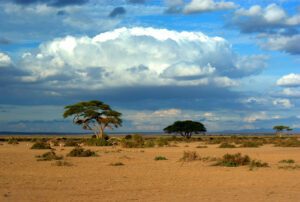
The lake lies in a low, basin-like landscape, meaning water naturally flows into it from the surrounding areas during rain. However, because the area is arid for much of the year, Lake Amboseli is not permanent; it only forms when heavy rains cause flooding, creating a shallow body of water. When it dries out, it leaves behind a dusty, flat plain.
What makes the area even more geographically significant is its connection to Mount Kilimanjaro. Water from the mountain’s melting glaciers and underground streams often ends up in Lake Amboseli or the wider wetlands of the area. This connection underscores the interconnectedness of different landscapes – a massive mountain and a shallow seasonal lake impact each other.
In terms of the bigger picture, Lake Amboseli forms part of a network of plains, wetlands, and savannas that support diverse ecosystems. This geographical diversity makes it a key area for both animals and local communities, exemplifying how geography can both define and sustain life.
How is Lake Amboseli connected to Amboseli National Park?
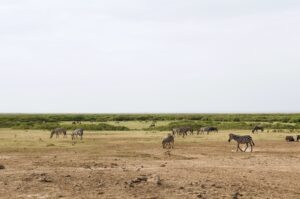
Lake Amboseli is an integral feature of Amboseli National Park, often referred to as the maasai amboseli game reserve. In fact, the lake is located right in the heart of the park, contributing to its unique landscape and playing a critical role in its ecosystem. Amboseli National Park is often described as a “land of contrasts” because of how the dry, dusty plains surround pockets of green wetlands, swamps, and the occasional appearance of Lake Amboseli after a rainfall.
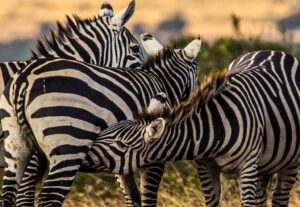
When Lake Amboseli fills up with water, it becomes a temporary oasis for wildlife. Animals such as african elephants, wildebeest, zebras, and various bird species often gather around the lake to drink and find food. This makes it a crucial resource, especially during dry seasons when water sources are scarce.
Beyond providing water and habitat for animals, Lake Amboseli also enhances the park’s scenic beauty. Tourists visiting Amboseli National Park often marvel at the sight of the lake against the backdrop of Mount Kilimanjaro. During wetter periods, it transforms the dry savanna into a vibrant, life-filled expanse, making the park more attractive for safaris and attracting nature lovers.
In short, Lake Amboseli isn’t just a geographic feature, it’s a key part of what makes Amboseli National Park such a thriving area for both wildlife and tourism. Its presence, even as a seasonal lake, contributes to the park’s reputation as one of Kenya’s most iconic wildlife destinations, showcasing the rich maasai culture and abundant wildlife.
What is the source of water for Lake Amboseli?
Lake Amboseli’s main source of water comes from underground springs fed by the melting snow of Mount Kilimanjaro, Africa’s tallest mountain. This might seem surprising, since Amboseli is located in a semi-arid region where there’s little rainfall, but the underground water network connected to Kilimanjaro plays a crucial role in sustaining the Amboseli ecosystem resource center. When snow from the mountain melts, it seeps into the ground and travels through volcanic rock. These rocks act like a natural filter, eventually releasing clean, fresh water through springs that flow into the lake, creating a unique habitat for abundant wildlife.
In addition to these springs, Lake Amboseli also occasionally receives water from seasonal rainfall. However, rainfall in this area is sporadic and often unreliable for sustaining the lake long-term. Without the hidden underground water system from Kilimanjaro, Lake Amboseli might not exist as we know it, especially as it serves as a critical resource for the local Maasai community and their cattle.
Even during dry seasons when much of the surrounding area becomes barren and dusty, the water from these underground springs ensures that parts of the lake stay muddy or wet, attracting various wildlife species and supporting plant growth. This fascinating natural system sustains the Amboseli area, keeping it vibrant even when rain doesn’t fall for months.
Is Lake Amboseli a permanent or seasonal lake?
Lake Amboseli, situated within the Amboseli National Park home, is considered a seasonal lake, which means it isn’t always full of water year-round. During the rainy season, the lake can fill up with water, creating a large and shallow body that resembles a regular lake. However, during the dry season, much of this water evaporates, and the area often turns into a dry lakebed or swampy terrain, showcasing the unique habitat of the Amboseli area.
This cycle of filling and drying happens because of the climate in the Amboseli region, which is hot and semi-arid with inconsistent rainfall. Unlike permanent lakes that have a steady supply of water keeping them full all the time, seasonal lakes like Amboseli rely on a combination of rainfall and underground water to periodically fill them. When the rains fail, the lake can remain dry for longer periods, impacting the diverse wildlife species that depend on it.
A good way to imagine this is by picturing a shallow bowl in the ground that gets filled with water when someone pours it in (rainfall or underground springs). But when left in the sun (dry season), the water quickly dries up, and the bowl becomes empty again. This seasonal nature of the lake makes it unique, especially for the animals and plants that have adapted to surviving in these fluctuating conditions, including the majestic African elephants.
For example, during wet periods, migratory birds like flamingos come to the lake to feed and breed in the water. But when the lake dries up, animals like elephants dig into the muddy lakebed to access groundwater underneath. This constant transformation is what makes Lake Amboseli so dynamic and important for the ecosystem around it, attracting nature lovers and birdwatchers alike.
What role does Lake Amboseli play in the local ecosystem?
Lake Amboseli plays a critical role in supporting the local ecosystem by providing water, food, and shelter to a wide variety of plants and animals in an otherwise dry and challenging environment. Even though the lake is seasonal, its presence, whether as water, mud, or a dry bed, benefits the ecosystem throughout the year, especially in the Amboseli area known for its abundant wildlife.
During the wet season, when the lake is filled with water, it becomes a hub for life. Aquatic plants grow, creating food and shelter for various animals. Birds like flamingos, storks, and pelicans flock there to feed on algae, insects, and fish. The lake also becomes a crucial stopover for migratory birds traveling long distances, while large mammals such as the iconic African elephant and zebras gather around the lake to drink and cool themselves.
In the dry season, when the lake shrinks or dries out, the ecosystem doesn’t stop functioning. Animals rely on groundwater beneath the dry lakebed. For example, elephants use their trunks to dig for water in the mud, which other animals, such as the majestic Maasai giraffe, also drink. Predators like lions and hyenas take advantage of the animals congregating near the lake for water, maintaining the area’s balance of prey and predator, especially in the Maasai culture rich in traditions.
Additionally, the lake helps maintain nearby wetlands and swampy areas by feeding them with underground water. These wetlands are home to unique plants, insects, and small animals that wouldn’t survive in the harsher dry zones, showcasing the diverse wildlife species that thrive in the Amboseli national park home.
In short, Lake Amboseli is like a lifeline for the entire ecosystem, providing what animals and plants need to thrive in a region where water is scarce. Even when it looks dry, it’s still quietly working beneath the surface, supporting the incredible biodiversity of the Amboseli ecosystem resource center.
What types of wildlife are commonly found in or around Lake Amboseli?
Lake Amboseli, located in Amboseli National Park in Kenya, is a key feature of the region and attracts a diverse array of wildlife, making it a prime destination for an amazing Kenya wildlife safari. This wildlife is part of what makes the park so famous and a popular tourist destination globally. While the lake itself can be dry during certain seasons, it is seasonally flooded and fed by underground water flowing from Mount Kilimanjaro. This creates a unique habitat that supports many animals.
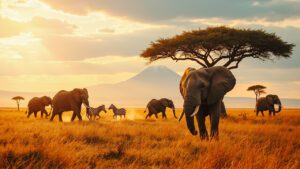
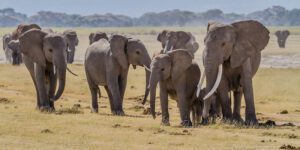
One of the most iconic animals found around Lake Amboseli is the African elephant. The Amboseli area is renowned for its large elephant herds, as the lake’s surrounding regions provide these animals with water and mud baths to stay cool and protect their skin during hot days. It’s common to see elephants wading through the wet marshes near the lake, which is one of the park’s most memorable sights.
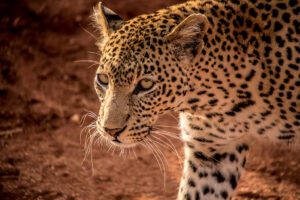
In addition to elephants, you’ll find animals like zebras, wildebeests, and the majestic Maasai giraffe grazing in the open grasslands around the lake. Predators such as lions, cheetahs, and hyenas also live in the vicinity of Lake Amboseli, as they hunt the herbivores that gather near the water. The lake supports not only these land animals but also a variety of bird species.
Birdlife is particularly abundant, especially during the wet season. Flamingos can sometimes be seen wading in the shallow waters, feeding on algae and crustaceans. Other waterbirds like pelicans, egrets, and herons are also commonly spotted. The lake becomes a haven for migratory birds, further increasing its biodiversity during certain times of the year.
In short, Lake Amboseli, despite its seasonal nature, provides critical resources for many types of wildlife, from massive elephants to colorful birds, making it an essential part of the region’s ecosystem.
Does the lake experience changes due to climate or environmental factors?
Yes, Lake Amboseli, situated within the Amboseli National Park home, is greatly affected by climate and environmental factors. It is actually considered a seasonal or intermittent lake, meaning it doesn’t always contain water year-round. Its water levels are directly influenced by the amount of rainfall in the region and by underground water channels that flow from Mount Kilimanjaro, Africa’s tallest mountain. Because these water sources are vulnerable to environmental changes, Lake Amboseli frequently changes its appearance and size.
During Kenya’s rainy season, rainfall fills the lake’s basin, causing the lake to expand and providing much-needed water for the surrounding ecosystem. This flooding brings life to the region, as animals, including the iconic African elephants, gather to drink and feed in the rejuvenated wetland. However, during the dry season, the lake often dries up completely and turns into a dusty salt pan. This seasonal pattern is why the lake’s availability as a water source fluctuates so much.
Climate change is playing a role in altering the lake’s cycles. Frequent droughts and irregular rainfall patterns caused by global warming are making it harder to predict when and how the lake will fill up. Additionally, the glaciers on Mount Kilimanjaro, which play a role in feeding the underground streams that supply the lake, are shrinking due to rising global temperatures. This means less water is flowing into the lake over the long term.
Human activities also contribute to changes in the area’s environment. Overgrazing by livestock and deforestation around the region can damage the soil and increase erosion. This can lead to more sediment being washed into the lake, further affecting its ecosystem.
In summary, Lake Amboseli is highly sensitive to both natural and human-made environmental factors, which cause its size and impact to change from season to season and year to year.
How do local communities depend on Lake Amboseli?
Local communities living near Lake Amboseli depend on it in a variety of ways. Even though the lake might not always be full of water, its seasonal flooding and the underground streams that keep the surrounding wetlands alive are vital for their way of life.
One way the lake supports the community is by providing resources for their livestock. Many of the local Maasai people are pastoralists, meaning they raise herds of cattle, goats, and sheep. The wetlands created by the lake during rainy seasons are essential for grazing, as they lead to the growth of grasses and vegetation that animals feed on. Even during the dry season, underground water sources can keep some parts of the area green, allowing people to continue herding.
Additionally, the wetlands and the lake support biodiversity, creating opportunities for eco-tourism. Amboseli National Park, where the lake is located, is a world-famous destination for photographers, tourists, and researchers. This tourism industry provides jobs and income for many locals, from working as guides to managing lodges and selling traditional crafts to visitors.
Fishing is not as significant for local communities because Lake Amboseli is seasonal and shallow, and it doesn’t support large fish populations. However, the lake indirectly provides food security by enhancing the grazing lands and supporting agriculture in nearby areas.
That being said, the community’s dependence on the lake also means they face challenges when the lake dries up or when droughts last too long. This can lead to conflicts over water and grazing rights, as resources become scarce.
In summary, local communities rely on the lake for grazing, eco-tourism opportunities, and supporting their way of life. However, they have to navigate the challenges brought about by the lake’s seasonal nature and environmental changes.
What are the challenges or threats facing Lake Amboseli?
Lake Amboseli, like many other natural ecosystems, faces several challenges and threats that affect its health and sustainability. One major challenge is climate change, which has been altering rainfall patterns and temperatures in the region. Amboseli National Park, home to a variety of wildlife, is located in a semi-arid area of Kenya, making water levels in the lake highly dependent on seasonal rainfall. In recent years, prolonged droughts caused by climate change have threatened the lake’s ability to sustain even seasonal water levels. This situation adversely affects the animals, plants, and communities that depend on this unique habitat.
Another significant threat is human activity around the Amboseli area. Overgrazing by livestock, deforestation, and agriculture have led to land degradation near the lake. These activities can result in soil erosion, causing sediment to flow into the lake. This sediment load reduces water quality and disrupts the delicate balance of life in and around the lake, which is crucial for the abundant wildlife including the African elephants and the Maasai giraffe.
Additionally, the encroachment of human settlements near the lake increases pressure on the ecosystem. More people in the area often means a higher demand for water, especially for domestic use and irrigation. In many cases, water extraction exceeds the natural renewal capacity of the lake’s underground and surface sources, further threatening the wildlife habitats.
Lastly, wildlife conservation pressures present unique challenges. Lake Amboseli is part of the Amboseli National Park, which experiences heavy tourism, particularly for wildlife safaris. While tourism can bring economic benefits, an increase in visitors risks degrading the natural environment if not managed sustainably. For example, pollution from vehicles and littering by tourists can harm the ecosystem.
Efforts to address these threats include creating better water management policies, promoting sustainable tourism, educating local communities, and protecting the larger Amboseli ecosystem. For instance, conservation organizations work to balance the needs of people, wildlife, and the environment, ensuring that the Maasai culture and the natural beauty of this region are preserved for future generations.
How did volcanic activity influence the formation of Lake Amboseli?
The formation of Lake Amboseli is closely tied to volcanic activity in the region, which plays a crucial role in the Amboseli ecosystem. Long ago, volcanic eruptions from Mount Kilimanjaro, a dormant volcano nearby, significantly shaped the geology of the Amboseli landscape. When Kilimanjaro erupted millions of years ago, it deposited layers of volcanic rock, lava, and ash across the surrounding plains. These materials created impermeable layers on the ground, which prevented water from seeping deep into the soil. Consequently, water from rainfall and underground springs tended to collect in low-lying areas, forming seasonal bodies of water like Lake Amboseli, a key feature of the Amboseli National Park home to abundant wildlife.
An interesting aspect of this volcanic influence is that the underground springs feeding Lake Amboseli today still originate from Kilimanjaro. Rainfall on the slopes of Kilimanjaro seeps into the ground and eventually resurfaces through springs on the Amboseli plains. This is why, even during drier seasons, there is often some moisture or water in the lake area, attracting various wildlife species, including the famous African elephants.
The flat topography of the region, another side-effect of volcanic activity, further contributes to the lake’s seasonal nature. After heavy rains, water pools in the flat basin, creating the shallow lake. During the dry season, however, the water evaporates, leaving salt deposits behind, a phenomenon also tied to the volcanic minerals that were deposited long ago, enriching the local Maasai culture.
In summary, without Kilimanjaro’s volcanic past, the physical and hydrological features of Lake Amboseli would not exist. Today, this unique volcanic geology supports the iconic wetlands and grassy plains that nurture wildlife in Amboseli, making it a prime destination for nature lovers and safari enthusiasts.
What cultural or historical significance does Lake Amboseli hold for the surrounding regions?
Lake Amboseli holds deep cultural and historical significance for the local Maasai communities who have lived in the Amboseli area for generations. The Maasai people have a strong connection to the land, viewing it as not only a source of sustenance but also a spiritual entity. They place great cultural value on the natural features of the Amboseli ecosystem, including the lake. The Maasai’s traditional livelihoods, herding cattle, goats, and sheep, depend on the availability of water and grazing land. Lake Amboseli and its surrounding wetlands provide both, making it an essential part of their way of life.
Historically, the region around Lake Amboseli has served as a meeting point for trade and cultural exchanges. The availability of water and fertile grazing land attracted different groups of people over time, fostering interactions among communities. The Maasai also use Lake Amboseli’s seasonal water cycles as a natural guide for their semi-nomadic lifestyle. During dry periods, they might move with their livestock to find other water sources, while in wet seasons, they rely on the lake and surrounding grasslands for sustenance, particularly in the context of the abundant wildlife that thrives there.
Additionally, the lake and the Amboseli landscape have become symbols of Kenya’s wildlife heritage. Amboseli National Park, home to large herds of African elephants, and the lake feature prominently in the history of wildlife conservation in the country. For instance, the park was pivotal in the work of researchers like Cynthia Moss, who studied elephants in the area for decades. Her work helped raise global awareness about elephant conservation, making Amboseli, and by extension, Lake Amboseli, a place of importance in the worldwide effort to protect wildlife.
Culturally, Lake Amboseli is also tied to the breathtaking backdrop of Mount Kilimanjaro. This iconic view has made it a source of inspiration for art, photography, and literature. This means the lake is not just significant for local communities but holds global recognition as part of Africa’s natural and cultural heritage.