What is Kibo Safari Camp Amboseli, and where is it located?
Kibo Safari Camp is a luxurious tented camp in Kenya, located near Amboseli National Park, one of the country’s most popular national parks. This ideal location offers easy access to the park’s main gate, allowing guests to immerse themselves in the stunning wildlife and iconic landscapes that Amboseli is famous for. Visitors can enjoy a full board accommodation experience, complete with a picnic lunch box and special meals tailored to their preferences.
The camp is named after “Kibo,” the tallest peak of Mount Kilimanjaro. When staying at Kibo Safari Camp, guests enjoy a true African wilderness experience, surrounded by incredible wildlife, open savannahs, and the majestic backdrop of Mount Kilimanjaro. It’s a perfect safari destination where you can wake up to the sounds of nature, such as birds chirping or wildlife roaming nearby, all while enjoying the comfort of a family tent equipped with a mosquito net.
This location makes Kibo Safari Camp a popular choice for those who want to explore Amboseli. Whether you’re going on a game drive to spot elephants or relaxing by the outdoor pool, this camp offers additional experiences for nature enthusiasts, photographers, and anyone looking to immerse themselves in Amboseli’s rich biodiversity.
What makes Kibo Safari Camp unique compared to other accommodations in Amboseli?
Kibo Safari Camp stands out because it manages to create a perfect blend of luxury and an authentic African wilderness experience. Unlike some cheaper or overly rustic accommodations in Amboseli, this camp offers guests the best of both worlds: the chance to experience nature while enjoying modern comforts in a luxury tent.
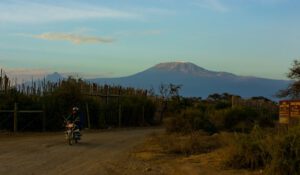
One of the things that makes Kibo Safari Camp unique is its ideal location. It’s conveniently close to Amboseli National Park, making it easy for visitors to embark on thrilling safari tours or explore the park. Plus, the camp provides breathtaking, up-close views of Mount Kilimanjaro. Early in the morning, you can sip coffee as you watch the sun rise over the iconic mountain, that’s an experience you can’t get anywhere else.
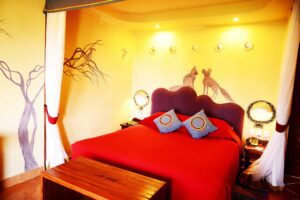
Kibo Safari Camp also features spacious, beautifully designed tents. These accommodations are not like your typical camping experience. Instead, they are large, comfortable, and come with ensuite bathrooms, cozy beds, and private terraces. Guests can enjoy nature while still having the comforts of home, including a seating area and a balcony.
Another unique aspect is the camp’s eco-friendly approach. They actively use sustainable practices like solar energy and recycling, which allows tourists to explore the environment while preserving it for future generations. On top of that, the camp offers cultural experiences like Maasai dances and village visits, giving guests a chance to connect with the local community.
All these aspects combine to make Kibo Safari Camp a standout destination where visitors can enjoy Amboseli in an eco-conscious and luxurious way, making it the perfect choice for family trips or special occasions.
What types of accommodation and amenities does the camp offer?
Kibo Safari Camp offers luxury accommodation in the form of high-end, spacious safari tents. These tents are far from ordinary camping tents, they’re designed to give guests both comfort and a close connection to nature. Each tent is beautifully furnished with comfortable beds, mosquito nets, and private bathrooms. Instead of staying in a concrete building, guests get the excitement of sleeping under canvas while still enjoying a luxurious experience.
The tents come in different sizes, so whether you’re traveling as an individual, a couple, or a family, the camp has options to suit everyone. Each tent also features a private veranda where you can relax, read a book, or just soak in the amazing scenery of Amboseli and Mount Kilimanjaro.
In terms of amenities, the camp doesn’t disappoint. There’s an outdoor pool where you can cool off and relax during the warm afternoons. The camp also has a fully-stocked bar and an on-site restaurant offering delicious meals, made with fresh, locally sourced ingredients. You can expect a variety of cuisines, including international dishes as well as local Kenyan favorites.
For relaxation and self-care, Kibo Safari Camp offers spa services where guests can enjoy massages and other treatments. Additionally, they provide a gift shop with souvenirs and essential items. Electricity is provided via solar power, emphasizing their eco-friendly approach.
With its cozy accommodations and thoughtful amenities, Kibo Safari Camp makes it easy for guests to enjoy Amboseli in comfort and style, whether they’re resting after a game drive or simply spending a peaceful day at the camp.
How close is Kibo Safari Camp to Amboseli National Park?
Kibo Safari Camp is very close to Amboseli National Park, making it an ideal location for safari lovers seeking perfect safari experiences. The camp is situated just outside the main gate of Amboseli National Park, commonly referred to as the Kimana Gate, allowing guests to easily access the park for their game drives and guided tours within just a few minutes’ drive from the camp.
Thanks to its proximity, guests at Kibo Safari Camp can enjoy breathtaking views of Mount Kilimanjaro, an iconic mountain that Amboseli National Park is famous for. This close location also means you have the unique opportunity to hear the sounds of wildlife during the night, such as lions roaring or elephants trumpeting, creating a fully immersive safari experience in the African bush.
For example, if you’re planning to leave early in the morning to catch the best wildlife activity, like spotting predators on the hunt or large herds of elephants moving across the plains, the camp’s location eliminates travel hassle. The short distance means you can jump straight into an early morning game drive.
So, whether it’s for practical reasons (easy access to the park) or for the spectacular scenery and sounds of Amboseli, Kibo Safari Camp offers an excellent base to experience the wonders of this popular national park.
What wildlife can guests expect to see during their stay at Kibo Safari Camp?
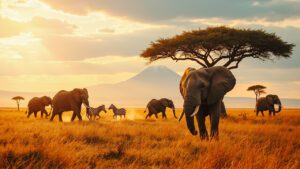
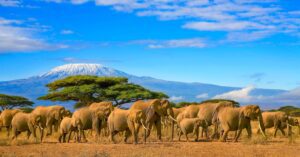
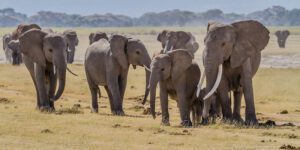
Staying at Kibo Safari Camp offers guests incredible opportunities to experience a wide variety of African wildlife, thanks to its ideal location near Amboseli National Park. This popular national park is one of the most famous wildlife reserves in Kenya, particularly known as ‘the land of the giants’ due to its large population of elephants. Guests can expect to see herds of elephants wandering the open plains, often with the majestic backdrop of Mount Kilimanjaro behind them.
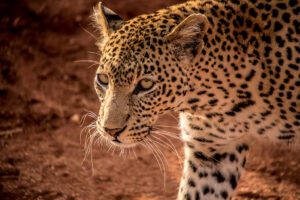
In addition to elephants, Amboseli is home to a variety of other animals. You might see lions resting under acacia trees, cheetahs prowling in search of prey, or hyenas scavenging for food. Other predators, like leopards, might also be spotted, though they tend to be elusive compared to lions. The diverse wildlife makes it a perfect safari destination for nature enthusiasts.
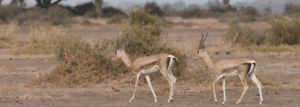
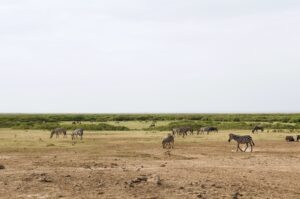
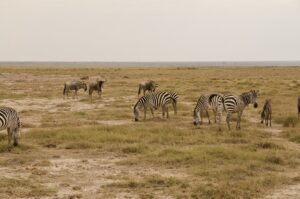
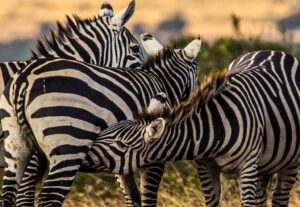
Plains animals, such as zebras, giraffes, buffaloes, and wildebeests, are also abundant in Amboseli and can often be seen grazing in the grassy areas. For bird enthusiasts, Amboseli is a paradise with over 400 bird species, including flamingos, African jacanas, and crowned cranes.
The unique feature of Kibo Safari Camp is that due to its location, guests don’t need to venture far to spot wildlife – you might see animals roaming near the camp itself! For example, don’t be surprised if you spot a zebra grazing near your family tent or hear the sounds of hippos nearby. Kibo Safari Camp creates a perfect setting to immerse yourself in the rich biodiversity of Amboseli.
Are guided safari tours or game drives offered by the camp?
Yes, Kibo Safari Camp offers guided safari tours and game drives for its guests, making it easy for visitors to explore Amboseli National Park with the help of experienced guides. These game drives are typically conducted in safari vehicles designed to give you the best view of the animals and landscapes, ensuring a perfect safari experience.
The knowledgeable guides leading these safaris are well-versed in the park’s ecosystem, wildlife behavior, and the best spots to find certain animals. For instance, they’ll know where elephants like to gather, what time birds are most active, or which areas predators might be hunting. Their expertise significantly enhances the experience, sharing fascinating insights about the wildlife and habitat, making your safari both fun and educational.
The game drives can be tailored to guest preferences, including family tents for those traveling with children. Morning game drives are great for catching predators like lions or cheetahs in action, while an evening drive is perfect for enjoying beautiful African sunsets, with the chance to catch nocturnal animals starting their activities. Full-day safaris are also an option if you want to spend the maximum amount of time exploring the park.
Besides game drives, Kibo Safari Camp is often able to arrange walking safaris or special night drives, depending on permissions and availability. Walking safaris are a unique way to explore nature on foot, led by armed rangers who keep you safe and help point out smaller animals, plants, and insects that you might miss while in a vehicle.
These guided tours give you an up-close look at Amboseli’s wildlife while providing a safe and unforgettable adventure. Whether it’s tracking a lion or just watching a family of elephants stroll by, the tours offered by Kibo Safari Camp create lasting memories in the heart of Africa.
What dining options and cuisines are available at Kibo Safari Camp?
Kibo Safari Camp offers a unique and memorable dining experience that combines delicious cuisine with the vibrant ambiance of the African wilderness. Guests can enjoy their meals at the camp’s open-air restaurant, which provides stunning and unobstructed views of the surrounding landscapes, including Mount Kilimanjaro on clear days. The camp pays special attention to providing freshly-prepared, high-quality, and diverse meals that cater to different tastes and dietary preferences, ensuring a perfect safari experience for all visitors.
The cuisine at Kibo Safari Camp includes a mix of international dishes and traditional African flavors. For example, you might find your plate filled with juicy roasted meats, fresh salads made from locally-sourced vegetables, and delicious side dishes featuring spices and ingredients native to East Africa. Breakfast typically includes freshly baked bread, eggs made to order, tropical fruits, coffee, tea, and juices. For lunch and dinner, guests may enjoy hearty soups, grilled meats, vegetarian options, sauces made from regional spices, and even desserts to satisfy a sweet tooth, all while enjoying the ideal location of the camp.
The camp frequently organizes special dining experiences, like outdoor BBQ dinners under the stars, called “bush dinners.” These are a highlight for many visitors as they allow guests to enjoy their meal while surrounded by the sights and sounds of the African night. To add to the cultural charm, meals are sometimes accompanied by traditional Maasai music and dances, enhancing the overall experience of those exploring the popular national park.
Whether you prefer mild or adventurous flavors, Kibo Safari Camp ensures there’s something for everyone. They also accommodate dietary restrictions or preferences, like vegetarian, vegan, or gluten-free meals, just let them know in advance. The dining experience at Kibo Safari Camp isn’t just about the food; it’s about building memories in one of the most serene and authentic African settings, making it a great choice for special occasions.
Are there any cultural experiences or interactions with the Maasai community available at the camp?
Yes! One of the most enriching aspects of staying at Kibo Safari Camp is the opportunity to engage with the local Maasai community and experience their vibrant culture firsthand. The Maasai are a semi-nomadic people native to Kenya and northern Tanzania, known for their colorful clothing, beaded jewelry, and strong traditions. At Kibo Safari Camp, guests can take part in organized visits to nearby Maasai villages or participate in cultural activities right at the camp, making it an ideal location for cultural tours.
When visiting a Maasai village, guests can expect a warm welcome from community members dressed in their traditional attire. You’ll get to see their homes, called “manyattas,” which are traditionally made from mud, sticks, and cow dung. During the visit, the Maasai will share details about their way of life, including their rituals, customs, and connection to nature. For example, they might explain why their diet primarily revolves around cattle and demonstrate how they make fire using sticks.
Additionally, visitors are often treated to performances of traditional Maasai singing and dancing. One iconic event is the “jumping dance,” where Maasai warriors leap high into the air as part of a friendly competition. Guests are welcome to join in and try the dance for themselves.
At Kibo Safari Camp, the Maasai also typically offer handmade jewelry and crafts for purchase, such as intricate beadwork and carvings. Buying these items is a wonderful way to bring home a unique souvenir and support the local community. These interactions are not only educational but also a chance to foster cross-cultural understanding and appreciation. The Maasai’s generosity and willingness to share their rich heritage make this a truly unforgettable experience, perfect for those looking for accommodation that immerses them in the local culture.
What recreational facilities (e.g., swimming pool, spa) are offered at Kibo Safari Camp?
Kibo Safari Camp offers a variety of recreational facilities to help guests relax and unwind while staying close to nature. One of the standout features of the camp is its large swimming pool, which is beautifully designed and surrounded by lush greenery. The pool provides a refreshing oasis, especially after a long game drive in the Amboseli heat. Guests often lounge by the poolside, sipping on cool drinks or simply enjoying the stunning views of Mount Kilimanjaro in the distance.
Another popular facility is the on-site spa, which offers massages and other treatments that help guests relax and rejuvenate after their adventurous safaris. Imagine indulging in a soothing massage with natural oils while listening to the gentle sounds of nature, an ideal way to restore both body and mind.
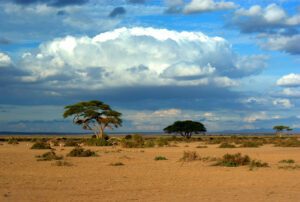
For those seeking quiet and peaceful activities, the camp has cozy common areas where visitors can unwind with a good book or chat with fellow travelers. These spaces often feature a fireplace, making them especially inviting during cooler evenings. Some guests also enjoy taking leisurely walks around the camp’s grounds, which are designed to blend harmoniously with the natural surroundings, including acacia trees that enhance the beauty of the landscape.
Additionally, evenings at Kibo Safari Camp can be spent around the campfire. This is a favorite gathering spot where guests can share stories about the day’s adventures, gaze at the star-filled night sky, and sometimes enjoy entertainment provided by Maasai performers.
Kibo Safari Camp is not just about adventurous safaris; it’s also a haven of comfort and relaxation. Whether you’re taking a dip in the pool, treating yourself to a massage, or simply soaking in the serene environment, the camp ensures you leave feeling refreshed and recharged.
What is the best time of year to visit Amboseli National Park and stay at the camp?
The best time to visit Amboseli National Park and enjoy full board accommodation at Kibo Safari Camp is during the dry seasons, which typically occur between June to October and January to February. During these months, the weather is more predictable, with little rainfall, making it easier to explore the park and enjoy daily game drives. The dry seasons are when wildlife is most visible because animals gather around the remaining water sources, like seasonal swamps and watering holes. For example, elephants, Amboseli’s stars, are almost guaranteed to be seen, as they frequent the marshes in the park to escape the heat.
The dry season also ensures that the roads within the park and surrounding areas are in better condition. Heavy rains during the wet season (March to May and November to December) can make roads muddy and harder to navigate. Furthermore, wet weather can obscure views of the park’s signature attraction: Mount Kilimanjaro. Clear skies are more common during the dry season, offering picture-perfect views of the snow-capped peak, making it an ideal location for photography enthusiasts.
For visitors interested in bird watching, however, the wet season (typically November to May) may be ideal as it attracts migratory bird species, adding to its already rich birdlife. Keep in mind that the park is less crowded during this time.
In summary, for the clearest views, excellent wildlife spotting, and to avoid weather-related accessibility issues, the dry season (June to October and January to February) is generally the best time to visit Amboseli and Kibo Safari Camp, ensuring a perfect safari experience.
How accessible is Kibo Safari Camp from major cities like Nairobi or neighboring airports?
Kibo Safari Camp is moderately accessible from Nairobi, Kenya’s capital city, and international hubs like Jomo Kenyatta International Airport (JKIA). Visitors can get to the camp either by road or air, depending on budget, schedule, or personal preference.
By road, the distance from Nairobi to Amboseli National Park is approximately 250 kilometers (155 miles), which translates to about a 4 to 5-hour drive, depending on traffic and road conditions. The road journey offers a scenic route, with chances to see Kenyan rural landscapes and even glimpses of wildlife closer to the park. Most visitors prefer traveling in 4×4 safari vehicles, especially since the final stretch to Amboseli and Kibo often involves dirt roads suited for sturdy vehicles.
For those opting for air travel, there are flights available from Wilson Airport in Nairobi to the nearby Amboseli Airstrip. The flight takes about 40-50 minutes, drastically reducing travel time. Once at the airstrip, Kibo Safari Camp can arrange for pick-up and transfer to the property, which is only a short distance from the park entrance.
Overall, while Kibo Safari Camp is not right next to a major city, it is quite accessible through these options. Many organized safari tours include transportation to make things even easier for travelers.
Are there sustainable or eco-friendly practices implemented at Kibo Safari Camp?
Yes, Kibo Safari Camp is well-known for its commitment to sustainability and eco-friendly practices, blending its operations with the natural environment surrounding Amboseli National Park. The camp has incorporated various efforts to reduce its environmental impact, conserve resources, and support the local community.
One key practice is the use of eco-friendly materials in the construction of the camp. For example, the tents and structures are designed with natural, locally sourced materials that minimize disruption to the environment while maintaining a natural aesthetic that blends into the landscape. This sustainable design ensures minimal interference with wildlife habitats.
Another significant practice is solar energy usage. Kibo Safari Camp utilizes solar panels for electricity and water heating, reducing reliance on fossil fuels. This not only minimizes the camp’s carbon footprint but also aligns with the principles of eco-tourism.
The camp also has effective systems for waste management and water conservation. Greywater from the camp is treated and reused for non-drinking purposes, while solid waste is carefully disposed of to prevent pollution in the surrounding ecosystems. Additionally, the camp encourages guests to use water responsibly, especially given the semi-arid nature of the Amboseli ecosystem.
Kibo Safari Camp also prioritizes the support of the Maasai community as part of its sustainability mission. It employs locals as staff members, and often sources food and supplies from nearby villages, contributing to the economic well-being of the region. They also organize cultural exchanges where travelers can learn about Maasai traditions, which creates an appreciation of indigenous culture and fosters mutual respect.
By combining eco-conscious initiatives, community support, and sustainable tourism efforts, Kibo Safari Camp ensures a positive impact on the Amboseli environment and its people, while giving guests a fulfilling and responsible safari experience.