What is the Amboseli Cultural Experience, and what does it involve?
The Amboseli Cultural Experience is an immersive opportunity for visitors to learn about and engage with the rich traditions, customs, and way of life of the local communities living near Amboseli National Park in Kenya. This experience primarily revolves around the Maasai people, who are one of the most famous tribes in East Africa. The cultural tour often takes place in or near authentic Maasai villages, also referred to as “manyattas.” Visitors are invited to take part in various activities that showcase the Maasai’s daily life, history, and values, making it an unforgettable adventure.
The cultural experience typically involves learning about the Maasai’s way of living, their closely-knit family structures, and their harmonious relationship with nature and wildlife. You might get to see how they construct their homes using locally available materials like mud, sticks, and cow dung. Ceremonial activities, such as welcoming dances and traditional Maasai music, are commonly included as part of the experience, enhancing the overall cultural immersion.
The program can also involve guided discussions where visitors learn about critical aspects of Maasai survival, such as cattle herding and the significance of their livestock, which are considered not only an economic asset but also a source of pride. By participating in the Amboseli Cultural Experience, you get a deeper understanding of how the Maasai have managed to preserve their traditions over generations, despite the challenges posed by modernization. Visitors often leave with both newfound respect for the Maasai culture and unique memories of their time spent learning directly from one of Africa’s most distinctive communities.
Which communities or tribes are central to the Amboseli Cultural Experience?
The Maasai people are central to the Amboseli Cultural Experience, making it a prime destination for cultural tours. This semi-nomadic, pastoral community is celebrated for their iconic appearance, vibrant culture, and deep connection to the land. They predominantly inhabit Kenya and northern Tanzania, particularly in regions like Amboseli, the Serengeti, and the Maasai Mara. Their traditional territories overlap with numerous natural wildlife habitats, allowing them to coexist harmoniously with nature for centuries, which is a key aspect of any cultural safari itinerary.
Globally, the Maasai are renowned for their resilience and commitment to preserving their customs despite external influences. Their cultural attire, including colorful shukas (traditional wraps), intricate beaded jewelry, and distinct hairstyles, varies by age, gender, and marital status. This vibrant cultural expression is a vital part of the visitor experience, as the daily activities and village life of the Maasai reflect their coexistence with nature and wildlife in this iconic part of Kenya.
While the Maasai are the primary focus, visitors may also learn about smaller neighboring communities in the Amboseli region. However, since Amboseli National Park lies within traditionally Maasai lands, their presence and traditions dominate the cultural experience. Interacting with the Maasai provides insight into their profound respect for the land and animals, which aligns closely with conservation goals in Amboseli National Park, highlighting their integral role in both the cultural identity and ecological preservation of the region.
What traditions and customs are commonly showcased during the experience?
During the Amboseli Cultural Experience, visitors get to witness and participate in several Maasai traditions and customs that have been passed down for generations. One popular custom that many people enjoy is the traditional Maasai dance, often featured in cultural tours. These dances are accompanied by singing and chanting, and they’re highly symbolic. For instance, you may see warriors perform energetic jumping dances where young men leap high into the air in a display of strength and agility (known as “adumu”). It’s a way for young Maasai men to show their readiness and fitness for adulthood and leadership roles.
Another frequently showcased tradition is the Maasai’s beadwork. Visitors are often introduced to the intricate process of making jewelry, such as necklaces, headdresses, and bracelets, which are an essential expression of Maasai identity. Each color in the beadwork has a special meaning, red represents bravery, while blue symbolizes the sky and peace, for example. Women primarily create these beaded items and often sell them, giving visitors the chance to support local artisans during their village visit.
Ceremonies or activities involving cattle are also common, as livestock play a central role in Maasai culture. For instance, visitors might learn about how the Maasai depend on cattle for milk, blood, and meat, or listen to stories of how cattle signify wealth and social status. They may even observe how milk is processed or how cows are cared for in the dry savannah landscape, enhancing the overall safari experience.
Storytelling is another vital part of the cultural experience. Elders or guides may share Maasai legends, moral tales, or historical accounts, often involving their close relationship with the land and wildlife. These stories often highlight lessons about leadership, survival, and the importance of community. Altogether, these traditions give visitors a fascinating glimpse into the Maasai way of life, helping preserve this unique cultural heritage while offering a meaningful learning experience.
How do the Maasai people contribute to the Amboseli Cultural Experience?
The Maasai people play a central role in shaping the Amboseli Cultural Experience, as they are the indigenous community that has lived in and around the Amboseli region for centuries. Their vibrant culture, distinctive customs, and close relationship with the environment are a big part of what attracts visitors to the area. Known for their unique way of life, including their dress, language, dances, music, and traditions, the Maasai share these elements openly during cultural tours, providing an authentic glimpse into their lives.
For example, Maasai warriors, often dressed in their iconic red shukas (traditional cloth), perform traditional dances and jumping displays known as “adumu.” This isn’t just for entertainment, it is part of a rite of passage and a way to demonstrate strength and agility. Visitors are usually invited to join in on the activities, making it a participatory experience that enriches their cultural safari and allows for mutual cultural exchange with the Maasai community.
The Maasai also contribute by showcasing their deep knowledge of their surroundings. They often lead guided walks or storytelling sessions where they explain their practices, such as how they coexist with wildlife, use herbs for medicine, and protect their cattle from predators. These lessons highlight their sustainable lifestyles and respect for nature, which is still evident in their day-to-day lives, making it a meaningful adventure for those who choose to explore Amboseli National Park.
Lastly, the Maasai craft items such as beaded jewelry, sandals, and weapons, which are displayed and sold to visitors. These crafts are not only beautiful forms of art but also carry symbolic meanings that reflect their culture. For instance, the intricate beadwork often tells stories about life events, roles, or status within the community. Buying these items during a village visit supports their economy while preserving their culture.
Are there specific festivals or events related to the Amboseli culture?
Yes, there are specific festivals and events that reflect Amboseli culture, which is deeply tied to the traditions of the Maasai people. These cultural tours often celebrate important moments in Maasai life, ranging from rites of passage to cultural milestones. Many festivals serve as a way for the Maasai to preserve and pass down their culture while also engaging visitors in their traditions.
One of the significant cultural events is the “Eunoto” ceremony, which marks the transition of young Maasai warriors (known as “morans”) into elderhood. This colorful event is a combination of sacred rituals, symbolic actions, and vibrant celebrations. During Eunoto, participants wear elaborate attire, including headdresses and jewelry, and partake in traditional dances, singing, and feasting. Visitors might have the chance to witness portions of such events, offering them an intimate glimpse into their authentic Maasai culture.
Certain events coincide with natural and agricultural cycles, like cattle blessings, as cattle are central to the Maasai livelihood and represent wealth and status. Ceremonies involving cattle often include intricate storytelling, songs, and blessings to ensure prosperity and protection for their herds. These moments are essential for understanding the Maasai community’s deep connection to their land and traditions.
Sometimes, staged cultural festivals or heritage days are organized specifically for tourists in areas around Amboseli. These curated events may feature reenactments of traditional ceremonies, musical performances, and local craft exhibitions. While these might not be as authentic as private Maasai ceremonies, they are designed to be respectful representations of Maasai culture, providing an engaging cultural safari experience.
For visitors, it’s important to inquire whether the event is genuine or created for tourism purposes. Either way, these events showcase the beauty, community spirit, and resilience of Maasai culture, allowing visitors to learn and appreciate their traditional knowledge and beliefs during their village visit.
What types of activities can visitors participate in during this experience?
The Amboseli Cultural Experience offers a wide variety of activities where visitors can engage directly with Maasai culture, providing a hands-on opportunity to learn and interact. These activities are designed to blend education with enjoyment, ensuring visitors gain meaningful insights while having a fun experience. This cultural tour is a must for anyone looking to explore Amboseli National Park.
One popular activity is participating in traditional Maasai dance and music performances. For example, visitors are often invited to join in the famous “adumu” or jumping dance, where Maasai warriors showcase their jumping abilities as part of a competitive yet celebratory ritual. This is a fun and interactive way for visitors to connect with the Maasai community and understand the importance of rhythm and movement in their traditions.
Workshops on Maasai beadwork are another popular activity. Visitors can sit with Maasai women and learn how they create intricate beaded jewelry, such as necklaces, bracelets, and headpieces. These workshops often include explanations of the symbolic meanings behind the patterns and colors used, adding a layer of cultural understanding to this authentic Maasai village experience.
Guided village visits allow visitors to experience daily Maasai life. For example, you might learn how to milk cows, build a mud hut, or cook traditional meals over an open fire. This is a unique chance to witness firsthand the resourcefulness and practices of a community that has thrived in a challenging environment, making it a highlight of any safari tour.
Nature walks with Maasai guides are also common. These walks focus on traditional knowledge, such as identifying medicinal plants, animal tracking, and understanding the delicate balance between humans and wildlife in Amboseli. It’s a fascinating way to see how the Maasai harmonize their lifestyle with nature, enhancing the overall adventure.
Visitors can also shop for traditional crafts, try out spear-throwing games, or hear captivating stories passed down through generations. These activities not only teach visitors about Maasai life but also create an opportunity for cultural exchange and mutual respect.
How does the cultural experience blend with the natural setting of Amboseli National Park?
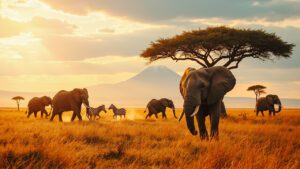
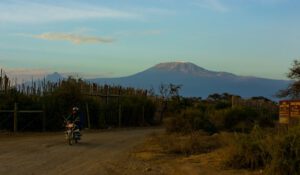
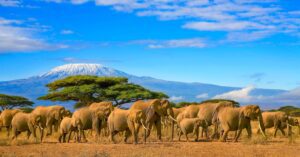
The Amboseli Cultural Experience perfectly blends with the natural setting of Amboseli National Park by merging the stunning landscapes of Africa with the rich traditions of the local Maasai community. Amboseli National Park is renowned for its breathtaking scenery, including vast open plains, swamps, woodlands, and, most famously, the towering Mount Kilimanjaro in the background. This natural beauty serves as a perfect backdrop to the cultural tours offered in the area, providing an authentic glimpse into Maasai traditions.
The Maasai people, who are central to the Amboseli region, have lived in harmony with nature for centuries. Their traditions, homes, and practices reflect their deep connection to the land and animals around them. For instance, visitors might embark on a cultural tour to a traditional Maasai village called a “boma,” which is made of natural materials like mud, sticks, and grass, perfectly blending into the surrounding landscape.
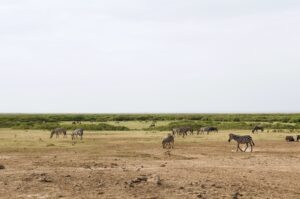
Additionally, the Maasai cattle-herding lifestyle ties closely to the wildlife of the park. While tourists marvel at the elephants, zebras, and giraffes in Amboseli, the Maasai explain how they coexist with these wild animals, practicing sustainable methods that ensure balance within the ecosystem. For example, there is a symbiotic relationship where livestock grazes in areas that eventually benefit wildlife and vice versa, showcasing the essence of a cultural safari.
Cultural dance performances and storytelling also occur outdoors, allowing visitors to enjoy Maasai traditions while immersed in the stunning vistas of Amboseli. Imagine watching the vibrant, rhythmic Maasai jumping dance under the pinks and oranges of an African sunset with Mount Kilimanjaro in view – this experience encapsulates how the cultural adventure and natural setting are inseparable.
In summary, the cultural experience provides a direct window into how people and nature coexist, complementing Amboseli’s environment rather than competing with it. Together, they give visitors an enriched understanding of the area, making it more than just a wildlife safari.
What kind of traditional foods or beverages can one expect to try?
During the Amboseli Cultural Experience, visitors have the chance to enjoy the traditional foods and beverages of the Maasai people, which offer a fascinating insight into their way of life. Maasai cuisine is simple yet deeply connected to their pastoral lifestyle, as it revolves around ingredients derived from livestock, such as cattle, goats, and sheep. This cultural tour allows participants to experience the authentic Maasai culture firsthand.
One of the most iconic Maasai dishes is a unique combination of milk and blood. The blood is humanely drawn from cattle without harming them, demonstrating the Maasai’s respect for their animals. This mixture is often consumed as a source of nutrition, especially during ceremonies or for people recovering from illnesses. For first-time visitors, this traditional drink is optional but can provide a truly authentic cultural experience during their village visit.
Another staple of Maasai cuisine is fresh milk, which is a fundamental part of their diet. The milk is sometimes fermented into a yogurt-like drink, offering a slightly tangy flavor that visitors might find interesting. Alongside milk, meat also plays an important role in their diet. During special celebrations, the Maasai roast goat or beef over an open fire, seasoned simply to maintain its natural flavors. Visitors who participate in such feasts get to experience the communal and celebratory nature of Maasai dining, making it a highlight of their Kenya safari.
Honey is also used in Maasai beverages, particularly in creating a mildly alcoholic honey brew called “teji,” which is often served during social gatherings or ceremonies. For those with less adventurous palates, staple foods like ugali (a dense maize flour porridge) and vegetables may also be offered during an interactive cultural session. These are more common across Kenya and serve as everyday sustenance.
By sampling these foods, visitors not only taste the culture but also get a sense of the practical, sustainable lifestyle of the Maasai, rooted in their reliance on and respect for livestock and local resources. This cultural safari experience in Amboseli National Park allows tourists to dive deep into the traditions of the Maasai community, enriching their understanding of this famous tribe.
Are there opportunities to learn about traditional Maasai crafts or skills?
Yes, visitors have numerous opportunities to learn about traditional Maasai crafts and skills as part of the cultural tours in Amboseli National Park. The Maasai are incredibly talented artisans, and their traditional crafts serve both practical and symbolic purposes in their community. By participating in demonstrations and workshops, visitors can engage with their artistry firsthand.
For instance, one of the most iconic Maasai crafts is their intricate beadwork. Maasai women are known for creating stunning pieces of jewelry, including necklaces, bracelets, earrings, and belts. These colorful bead designs often carry deep cultural meanings, representing age, social status, marital status, or clan affiliation. Visitors can learn the symbolic significance behind the patterns and colors, and in some cases, they can even try their hand at making their own beaded piece with guidance from the Maasai women during their cultural visit.
Another traditional skill visitors can explore is the art of Maasai weaponry. Maasai men are traditionally warriors and have a deep connection to tools like spears, clubs (known as rungu), and shields. Visitors may find opportunities to learn about how these items were crafted from wood, leather, and metal and how they were used for protection and hunting. Sometimes, visitors are even invited to practice techniques like spear-throwing in a safe and controlled environment during their safari activities.
Maasai hut-building is another fascinating skill that visitors can witness or participate in. Making a “boma” involves using mud, sticks, and cow dung to create sturdy, eco-friendly homes. The process reflects the Maasai’s resourcefulness and connection to the land, showcasing their traditional rites.
By engaging in these activities, you gain much more than just a souvenir or a skill – you gain an appreciation for the Maasai culture’s creativity, history, and deep understanding of their environment. It’s an opportunity to learn directly from a community that has passed down these traditions for generations, making your safari experience truly unforgettable.
How does the Amboseli cultural experience benefit the local community?
The Amboseli cultural experience deeply benefits the local community, primarily the Maasai people, in multiple ways. One major advantage is the generation of income through cultural tours. When visitors attend this cultural experience, they pay fees or purchase local crafts, jewelry, clothing, or other hand-made products created by the Maasai. This money directly supports the community, allowing families to afford necessities like food, clothing, and education for their children. For example, a visitor might buy a colorful beaded bracelet, helping a Maasai artisan earn a sustainable income for her craft.
Tourism tied to the cultural experience also provides employment opportunities. Local people work as cultural guides, sharing their knowledge of traditions, history, and customs, or participating in performances of traditional dances and songs during the experience. These jobs allow the community to retain and pass down their cultural practices while earning a livelihood. For individuals who might otherwise rely solely on pastoral activities like herding cattle, this new economic opportunity helps diversify their income sources, making the community more financially stable.
Beyond financial benefits, the cultural experience fosters cultural preservation. By presenting their practices to an external audience, the Maasai are encouraged to keep their traditions alive, including music, dance, storytelling, and craftsmanship. Without this kind of exposure, modern pressures and globalization might cause some traditions to fade away. The cultural safari becomes an avenue for both the younger generation and visitors to learn the importance of maintaining age-old practices.
Lastly, part of the revenue from these experiences often contributes to community development projects. For instance, funds might support the building of schools, healthcare centers, or clean water initiatives, improving the standard of living for the entire community. In this way, cultural tourism becomes not just an educational experience for outsiders, but a lifeline for the local people.
What ethical considerations should visitors keep in mind when engaging with the local culture?
When participating in the Amboseli cultural experience, it’s essential for visitors to approach with respect and mindfulness. Local communities, primarily the Maasai people, invite tourists into their lives, sharing deeply personal aspects of their traditions. A primary ethical rule is to avoid treating their culture like a spectacle or ‘performance’ for entertainment. Visitors should always see this experience as a cultural tour that fosters an exchange of knowledge and understanding rather than a chance to gawk at something unfamiliar.
One important consideration is to always seek consent before taking photos. While it may be exciting to capture the vibrant Maasai clothing, jewelry, or dances, taking someone’s photo without permission can feel intrusive or disrespectful. Simply asking for permission first shows respect for the individual and their privacy, especially during a village visit where personal interactions are key.
Another key factor is avoiding exploitative behavior. This includes haggling excessively for cultural items or participating in activities that feel like an intrusion into people’s lives. For instance, while visiting a Maasai village, ensure that you’re joining only organized cultural tours approved by local leaders, as these tend to honor agreements with the community and share profits fairly. Participating in unorganized or informal tours might inadvertently harm the very people visitors intend to support.
Visitors should also come with an open mind and avoid imposing judgment on cultural practices that may differ from their own. For example, some Maasai traditions or ways of life may seem unfamiliar or unusual to outsiders, but they hold deep meaning within the community’s context, especially in the Amboseli ecosystem.
Finally, one should act as a respectful learner and not try to appropriate the culture. For instance, wearing traditional Maasai attire as a costume or mimicking their dances in an inappropriate way could come across as insulting. Ethical engagement means treating the culture as valuable, not something to be caricatured, particularly when exploring the authentic Maasai culture during your adventure.
How can visitors prepare to make the most of their Amboseli Cultural Experience?
To enjoy and gain the most from the Amboseli cultural tours, visitors can take several simple and thoughtful steps to prepare themselves. One of the first things they can do is research beforehand. Learning about the Maasai culture, such as their history, traditions, and connection to the Amboseli region, helps build understanding and respect. Knowing basic facts, like their reliance on cattle for milk and blood as a dietary staple or their vibrant, intricate beadwork traditions, will allow visitors to appreciate the experience on a deeper level.
It’s also a great idea for visitors to dress appropriately. This doesn’t mean they need to try and mimic traditional Maasai clothing, but they should wear modest, respectful attire, particularly if they are planning a cultural tour in a Maasai village. Wearing neutral, non-revealing clothing helps demonstrate consideration for local customs and ensures a comfortable interaction with the locals.
Another tip is to bring questions and an open mind. Cultural experiences are an opportunity to learn directly from the people who practice these traditions daily. Asking thoughtful questions, like the meaning behind their dances or the stories behind their crafts, invites meaningful exchanges. For example, a visitor might ask about the symbolism of a particular set of beads in a necklace, which can open up a fascinating conversation about Maasai identity.
It’s also worthwhile to prepare financially for the trip by setting aside funds to purchase local crafts or donate. Buying handcrafted items, such as jewelry or spears, not only provides you with meaningful souvenirs but also directly benefits the community. Visitors should also avoid expecting to bargain too much, as the prices often reflect the hard work put into creating these unique pieces.
Finally, practicing basic Swahili phrases or even Maasai greetings can enrich the experience and show respect to the community. Small gestures like saying “Asante sana” (thank you) or attempting their traditional greetings go a long way in fostering goodwill and connection. Visitors who are ready to engage respectfully, ask questions, and show interest will walk away with not just photos but lasting memories and relationships.