What are the top-rated safari companies in Kenya?
Kenya is one of the most famous destinations for safaris because of its incredible wildlife, stunning landscapes, and renowned national parks like the Maasai Mara and Amboseli. Some of the top-rated safari companies that travelers often recommend are:
- Insight Safari Holidays: Specializes in eco-friendly safaris while providing upscale experiences in Kenya’s most famous parks.
- Bushtroop Tours & Safaris: Bushtroop Safaris offers Kenya safari holidays to Masai Mara, Amboseli, and Tsavo. Enjoy wildlife game drives, cultural experiences, and luxury or budget options.
- Tanzania Safaris: Renowned for their luxury safaris in Kenya and Tanzania.
- Micato Safaris: A family-owned company famous for personalized service and luxury, winning numerous awards over the years.
- Go2Africa: Offers a wide range of safari styles, from budget-friendly trips to high-end, luxury experiences.
- AfricanMecca Safaris: Known for customized itineraries tailored to families, couples, or solo travelers.
- Topdeck Safaris: Popular with younger adventurers looking for affordable group safaris.
These companies have excellent reputations based on customer reviews, awards, and long histories of operating safaris in Kenya. Many of them cater to different budget levels, so travelers can find a company suitable to their needs. For example, luxury seekers might want to explore Abercrombie & Kent, while environmentally conscious adventurers could enjoy the offerings of Asilia Africa or Gamewatchers.
What types of safari experiences do they offer (e.g., luxury, budget, family-friendly, group tours)?
Safari companies in Kenya have adapted their offerings to different traveler preferences. Here’s a breakdown of the types of safari experiences commonly available:
- Luxury Safaris: These provide high-end accommodations, private game drives, and exclusive service. Guests typically stay in luxurious lodges or tented camps with modern amenities like hot showers, gourmet meals, and sometimes even pools. Companies like Abercrombie & Kent excel in this category.
- Budget Safaris: These are more affordable options that prioritize experiencing wildlife without the frills. Travelers stay in basic lodges, budget camps, or participate in camping safaris where they set up tents in the wilderness. They may share vehicles with other travelers to reduce costs. For instance, Topdeck Safaris offers budget-friendly tours for younger adventurers.
- Family-Friendly Safaris: Designed for families traveling with children, these safaris might include shorter game drives, family accommodations, or activities for kids like learning about wildlife conservation. Companies often cater to safety and comfort for families in places like the Maasai Mara.
- Group Tours: Travelers can join group safaris, which are ideal for solo travelers or those on a budget. These tours create a social atmosphere and are usually more cost-effective since guests share vehicles and guides. Go2Africa and Topdeck Safaris are good options for this type.
- Honeymoon/Private Safaris: Tailored for couples looking for a romantic getaway, these safaris include secluded accommodations, candlelit dinners, and private game viewing experiences.
- Eco-Friendly Safaris: Sustainable safaris focus on preserving Kenya’s wildlife and reducing environmental impact. For example, Asilia Africa and Gamewatchers promote eco-conscious travel and work closely with local communities.
- Adventure Safaris: For travelers who like excitement, adventure safaris may feature activities like hot air balloon rides over the Maasai Mara, horseback safaris, or walking safaris guided by experts.
For example, suppose you’re traveling as a family with kids. In that case, you may choose a family-friendly itinerary that offers engaging activities for children, shorter drives, and comfortable lodges. On the other hand, backpackers might prefer an affordable group safari that involves basic camping accommodations. The variety ensures there’s something for everyone!
What regions or national parks in Kenya do these companies cover?
Kenya has many famous regions and national parks, and most safari companies cover the key ones. These areas are rich with wildlife and offer unique landscapes and ecosystems:
- Maasai Mara National Reserve: Almost every safari company includes this park in its itineraries. The Maasai Mara is famous for its vast savannah, abundant wildlife, and the Great Migration, where millions of wildebeest and zebras cross the plains. Example: Many companies offer balloon safaris here for an incredible aerial view.
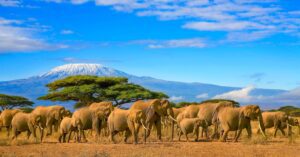
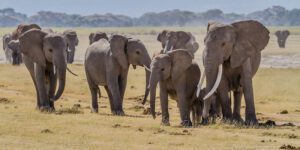
- Amboseli National Park: Known for its stunning views of Mount Kilimanjaro and large elephant herds, Amboseli is a must-visit. Eco-conscious companies like Gamewatchers prioritize this region for its beauty and environmental significance.
- Lake Nakuru National Park: Famous for its flamingo-filled lake (though flamingo numbers have decreased in recent years), it’s also home to rhinos, giraffes, and leopards. Many safaris include a stop here for birdwatching and scenic photography.
- Samburu National Reserve: Located in Kenya’s arid north, this park is home to unique wildlife, like Grevy’s zebras and reticulated giraffes. For travelers looking for something different, companies like Asilia Africa cover this remote and less-crowded region often.
- Tsavo East and Tsavo West National Parks: These expansive parks are known for their rugged landscapes, red elephants (due to the distinct red soil), and the Mzima Springs. They’re great for those looking for quieter safaris, as they are less busy than the Maasai Mara.
- Laikipia Plateau: This area features private conservancies, small-scale camps, and activities like walking safaris or horseback safaris. Specialized companies like Abercrombie & Kent often include this region in luxury packages.
- Nairobi National Park: Located near Kenya’s capital, this park is unique for its proximity to an urban area while still housing lions, giraffes, and rhinos. Many companies start or end tours here for convenience.
Each region has its unique ecosystems and wildlife highlights. For example, if you dream of seeing Kilimanjaro, a trip to Amboseli National Park is ideal. If you hope to witness the Great Migration, the Maasai Mara is a must-visit. Safari companies typically create tailored itineraries that ensure travelers see a diverse range of Kenya’s landscapes and animals.
How do I identify a legitimate and licensed safari company?
Identifying a legitimate and licensed Kenya safari company is crucial to ensure a safe, enjoyable, and professional experience when traveling to Kenya. First and foremost, legitimate safari companies in Kenya are usually registered with relevant authorities and recognized tourism boards. In Kenya, the Kenya Tourism Board (KTB) and the Kenya Association of Tour Operators (KATO) are key organizations that license and regulate safari companies. Ensuring a company is a member of KATO is a good starting point because KATO requires their members to adhere to high standards of professionalism, safety, and ethical practices, especially for those offering private safari options.
You can check a company’s credentials online through these authoritative websites. For example, if a company proudly displays its KATO membership number on its website, you can cross-reference it with the KATO website’s member directory to confirm it’s valid. This verification process is essential before selecting your safari trip.
Additionally, reviews and recommendations are your friends! Visit reputable reviewing platforms like TripAdvisor, Google Reviews, or specialized safari forums to read firsthand experiences from other travelers. If multiple people have had positive experiences with a company, that’s a great sign that the safari tours they offer are reliable and well-organized.
Look out for red flags. Be cautious of companies offering unusually low prices when compared with competitors or vague, poorly detailed itineraries. A legitimate safari company will offer clear communication, detailed pricing, information on what is included in their packages, and full transparency about their terms and conditions, particularly when it comes to group safaris.
Finally, ask questions directly. Before you book, ask the company to produce proof of their licenses, inquire about their partnerships with national parks, or request customer references. Legitimate operators will be happy to provide evidence that reassures you, while a scammer may avoid giving straight answers.
Example: If a company like “Wild Kenya Safaris” is listed on KATO’s website, has strong reviews on platforms like TripAdvisor, and responds to all your inquiries with clear details about their licenses, this is a great signal that they are legitimate!
What is the average cost of a safari in Kenya, and what is included in the packages?
The cost of a safari in Kenya can vary widely depending on factors like the type of experience (luxury vs. budget), the duration, the location, and the level of services provided. On average, a mid-range safari for 5-7 days costs between $2,000 and $5,000 per person. Luxury safaris, which include high-end lodges, exclusive experiences, and premium services, can range from $5,000 to $10,000 or more per person. Budget safaris are closer to $1,000 to $2,000 per person, but may involve simpler accommodations like camping or basic lodges.
Inclusions can also depend on the package, but most safari companies provide the following:
- Accommodation: Lodges, tented camps, or hotels (ranging from basic to luxurious). For example, luxury tours might include stays at high-end lodges like Sasaab or Angama Mara, while budget safaris may use simpler tents or basic lodges.
- Meals: Generally, most safaris cover breakfast, lunch, and dinner. Some will even include snacks and drinks depending on the company.
- Game drives: These are included in the package and are usually conducted in specialized 4×4 safari vehicles with expert guides.
- Park fees: Most packages include the entrance fees for the national parks or conservancies visited, such as Maasai Mara, Amboseli, or Tsavo.
- Transportation: This usually includes pick-ups and drop-offs from airports or hotels, as well as in-country travel for the safari itself.
- Some tours include extras like walking safaris, cultural visits to Maasai villages, or hot-air balloon rides (though these may have additional costs).
However, be aware of what is not included. International flights, visa fees, travel insurance, tips, and personal expenses (like souvenirs or alcoholic drinks) are almost always separate.
When comparing prices, it’s essential to closely inspect what each package includes. For example, two companies might charge similar prices, but one might exclude a park fee or some meals, while the other includes them. Don’t hesitate to ask for a breakdown of costs.
Are there customizable safari options available?
Yes, absolutely! Many safari companies in Kenya offer safari tour options that are customizable to cater to your specific interests, needs, and budget. Customizable safaris are great because no two travelers are the same, and they allow you to design your journey exactly as you want it. Whether you’re traveling with kids, on a honeymoon, or pursuing a specific interest like wildlife photography, these companies can tailor itineraries to fit your preferences.
For example, if you’re particularly interested in seeing the Great Migration in the Maasai Mara, tour operators can plan your safari trip for the peak migration season (typically July to October). Conversely, if you prefer exploring less crowded parks like Samburu or Meru, they can design an off-the-beaten-path itinerary just for you.
Customization also extends to accommodation. If you’d like to mix luxury with budget, you can ask to stay in elegant lodges for part of the trip and then spend a few nights in adventurous bush camps. Additionally, you can request specific activities, such as a hot air balloon ride, night game drives, or cultural visits to learn from local Maasai communities.
Safari length is another aspect that can be tailored. You may want a quick 3-day safari focusing solely on Amboseli National Park to see elephants and Mount Kilimanjaro, or a sweeping 10-day adventure across multiple parks like Maasai Mara, Lake Nakuru, and Tsavo.
Ultimately, most reputable safari companies are happy to tailor the itinerary to fit your travel style, budget, and goals. They allow flexibility in group size, duration, park selection, accommodation type, and specific activities. For example, families traveling with young kids might request family-friendly lodges with safe, child-focused activities. Solo travelers may even ask to join a small group tour to save money and meet other people.
Customizable safaris ensure that the experience is uniquely yours, delivering a memorable adventure tailored to your dream Kenyan safari!
What is the best time of year to go on a Kenya safari?
The best time to go on a Kenya safari can depend on what you’re hoping to see and experience, but most people agree that the dry seasons are ideal for wildlife viewing. Kenya’s dry seasons typically fall between June to October and January to February. Here’s why these times are so popular:
During the dry season, water is scarce, so animals tend to gather around rivers, waterholes, and other remaining water sources. This makes it much easier to spot wildlife like lions, elephants, giraffes, and zebras because they’re out in the open instead of hiding in thick bushes. The grass is shorter during this time too, which also creates better visibility.
If you’re specifically looking to witness the iconic Great Migration, when millions of wildebeests, zebras, and other animals move between Tanzania’s Serengeti and Kenya’s Maasai Mara, you should aim to visit July to October. This is when the herds are usually in the Maasai Mara, and you may even see thrilling river crossings where animals face crocodiles as they migrate.
On the other hand, the wet season (March to May and November) has its own unique draws. It’s the lush, green time of year when landscapes are at their most vibrant, and it’s also the season for baby animals, which means predators like lions and cheetahs are more active too. Moreover, bird enthusiasts love this time because migratory birds arrive in large numbers. However, heavy rains can make some roads difficult to navigate, and animals are less concentrated around waterholes.
So, the “best time” depends on your goals: do you want easy wildlife spotting, the Great Migration, or lush scenery with fewer tourists? For most travelers, the dry season is a safe bet for an unforgettable safari experience.
How do the companies handle transportation and accommodations?
Safari companies in Kenya typically take care of all your transportation and accommodations, making it as seamless as possible for travelers. Here’s how it works:
For transportation, most safaris use specially designed safari vehicles like 4×4 Land Cruisers or vans. These vehicles have large windows, pop-up roofs, and even open sides in some cases to give you the best views and photo opportunities of the wildlife. These vehicles are equipped to handle the rugged terrain you’ll encounter in national parks and reserves. Some companies may also include short flights to cover long distances, especially between different parks or regions. For instance, you might fly from Nairobi to the Maasai Mara to save time and avoid a long car ride. The type of transportation generally depends on your budget and the package you select.
For accommodations, safari companies offer a wide range of options from luxury lodges to budget-friendly camping. Luxury safaris might include high-end lodges with infinity pools, gourmet dining, and spacious rooms that still blend into the natural landscape. Mid-range options may include charming tented camps where you’ll sleep in a comfortable tent with a real bed and bathroom. Budget safaris might include basic campsites with shared facilities, but they still give you the experience of sleeping in the wild.
Safari companies carefully manage these accommodations, and you’ll often stay in places close to or inside the parks to maximize your game-viewing time. Many lodges and camps provide meals as part of the package, which often includes breakfast before your morning game drive, lunch, and dinner at the end of the day.
A good safari operator ensures transportation and accommodations match your preferences, from cozy budget options to luxury experiences. Ask your safari provider to clarify what’s included in their package to avoid surprises.
Are their safari guides experienced and knowledgeable?
Yes, the best safari companies in Kenya hire experienced and highly knowledgeable guides who play a central role in making your safari incredible. These guides are often locals who are deeply familiar with the wildlife, landscapes, and culture of Kenya, bringing years of hands-on experience to your safari trip. They can significantly enhance your experience on private safaris and group safaris alike.
Most safari guides possess extensive knowledge about animals, from their behaviors and diets to their social structures. For example, a good guide will not only help you spot a lion but can also explain how to tell if it’s a male or female, its age, and whether it’s on a hunt or simply resting in the sun. Many guides have formal training in wildlife biology, ecology, and even first aid to ensure both your safety and a meaningful experience during your safari excursions.
Moreover, guides in Kenya are skilled at tracking animals. They might notice fresh paw prints in the dirt or a distant call of a bird signaling a predator nearby. This expertise greatly increases your chances of thrilling encounters, like a leopard on the move or a herd of elephants crossing the savanna, making your safari tours unforgettable.
Safari guides are also cultural ambassadors. They might share insights about local tribes, like the Maasai, or introduce you to traditions, stories, and ways of life unique to the area. Many travelers leave Kenya saying their guide was the highlight of the trip due to their personality, humor, and fascinating knowledge.
When booking, always inquire about the qualifications of the guides provided by the safari company. Great operators will connect you with experienced and passionate professionals who enhance every moment of your safari adventure, ensuring you have an unforgettable experience exploring Kenya’s stunning safari destinations.
Do these companies prioritize sustainable and eco-friendly practices?
Yes, many safari companies in Kenya prioritize sustainable and eco-friendly practices, as preserving nature and wildlife is vital for their business and the environment. The African safari industry relies heavily on Kenya’s remarkable ecosystems, which include iconic animals like lions, elephants, and white rhinos, as well as diverse landscapes like the Maasai Mara and Amboseli. Companies increasingly recognize the importance of protecting these resources not only for ethical reasons but also to ensure the long-term survival of their business and the success of their safari trips.
For sustainable practices, many companies work to minimize their environmental footprint. This can include using eco-friendly accommodations like tented camps powered by solar energy, avoiding single-use plastics, and encouraging water conservation at lodges. They might also partner with conservation organizations to support wildlife protection initiatives, such as anti-poaching efforts, reforestation projects, and programs to monitor animal populations, which are crucial for the future of safari destinations.
For example, some safari companies help conserve the Maasai Mara by funding wildlife sanctuaries created in partnership with local communities. These sanctuaries provide income to local families while protecting critical migration corridors for animals like wildebeest and zebras. Another example is companies employing electric safari vehicles to reduce carbon emissions during group safaris.
Cultural sustainability is also a focus. Many companies actively involve nearby communities as part of their operations. They hire local guides, invest in schools or health clinics, and share a portion of their profits with indigenous groups like the Maasai, ensuring that tourism benefits those living near the parks.
When choosing a safari operator, look for certifications like “Eco Tourism Kenya” or ask about specific steps they take to operate responsibly. Supporting ethical companies ensures that your safari trip contributes positively to conservation and local livelihoods while providing a memorable adventure in the heart of Africa.
What safety measures do they have in place for travelers?
Safety is taken very seriously by safari companies in Kenya, as they need to ensure travelers feel secure while exploring nature in remote areas. Here are some of the safety measures commonly implemented:
- Trained Guides and Drivers: Guides and drivers are highly experienced, specially trained to handle the risks of wildlife encounters. They know animal behavior well, keeping a safe distance from dangerous animals like lions or elephants while ensuring you have an enriching viewing experience. A good guide will also calmly handle situations like sudden animal movements, ensuring you stay safe.
- Reliable Vehicles: Safari vehicles are designed for the terrain, they are often 4x4s with reinforced roofs, allowing for safe observation during wildlife viewing. Vehicles undergo regular maintenance to reduce breakdown risks in the middle of remote parks.
- Medical Emergency Plans: Most safari companies have contingency plans to address medical situations. This includes having first aid kits on every safari trip and connections to emergency evacuation services like flying doctors (air ambulances that can quickly transfer ill or injured individuals to hospitals).
- Animal Safety Protocols: Travelers are briefed on what to do and not to do near wildlife. For example, you are advised not to get out of the vehicle during game drives, avoid loud noises, and respect the animals’ space. Guides ensure these rules are followed.
- Lodges and Camps: Accommodations in the bush are designed with safety in mind. They are often guarded by trained staff and situated where human-wildlife conflict is minimal. Night patrols or fences may be used at some lodges to prevent animal intrusions.
- General Security: While Kenya is generally safe for tourists, considering potential risks in certain areas, reputable safari companies stay updated on any security concerns, avoiding areas where issues might arise, like political unrest.
For your peace of mind, always check reviews, ask operators about their safety procedures, and ensure they are members of credible travel associations. A well-managed tour ensures a safe and memorable adventure.
How can I compare and choose the right Kenya safari company for my needs?
Choosing the best safari company involves evaluating key factors such as reputation, budget, itinerary options, and their overall values, such as sustainability and customer care. Here’s a step-by-step process to make the right decision:
- Research Reviews and Testimonials: Look up reviews on trusted platforms like TripAdvisor, Trustpilot, or SafariBookings. Previous travelers often share insights about their experiences, which will help you gauge a company’s reliability, quality of service, and customer satisfaction. Look for operators with consistent 4- or 5-star reviews.
- Check Credentials: Ensure the company is licensed by Kenyan authorities or a member of recognized organizations like the Kenya Association of Tour Operators (KATO). Being part of such organizations often guarantees adherence to quality and safety standards.
- Understand Your Budget: Decide whether you’re looking for a luxury, mid-range, or budget safari. Companies like Governors’ Camp or Angama Mara cater to luxury travelers, while smaller operators often specialize in budget or group travel. Comparing costs is essential, but don’t automatically select the cheapest option, value for money matters more. Ensure that everything (accommodation, park fees, meals, transportation) is transparent in the quote.
- Review Itineraries and Destinations: Some companies specialize in certain areas (e.g., Maasai Mara or Amboseli), while others offer wide-ranging tours across several parks. Evaluate if their itineraries match your goals, whether it’s seeing the Great Migration, focusing on photography, or visiting lesser-known areas like Samburu.
- Compare Group Sizes and Personalization Options: Are you okay with joining group tours, or do you prefer a private, tailored experience? Some companies (e.g., Asilia Africa) are excellent at customizing itineraries, while larger operators often focus on group travel.
- Inquire About Guides: Quality of guides is critical. Ask about their experience, certifications, or language skills, especially if you’d like detailed insights about animal behavior or plants.
- Sustainability Focus: If you care about eco-friendly practices, check if the company supports conservation projects, uses eco-lodges, or partners with local communities.
Ultimately, by researching companies, ensuring they align with your travel interests, and asking questions before booking, you can select a safari provider that meets your expectations. Take your time, as the right safari company can turn your trip into a lifetime memory.